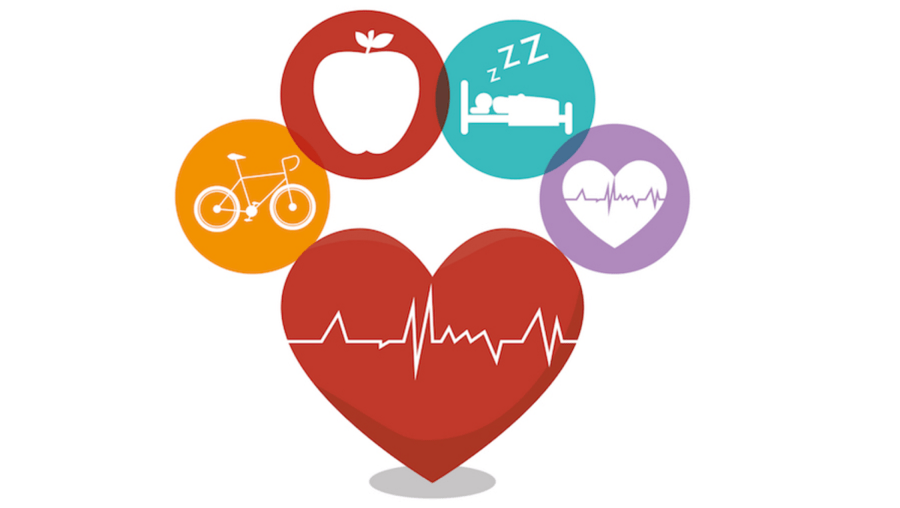
How to Establish a Regular Exercise Routine: 15 Steps to Success
Updated at: 2023-07-04 19:50:29 (2 years ago by Melkisedeck Leon Shine)
How to Establish a Regular Exercise Routine: 15 Steps to Success 💪🏋️♀️
Maintaining a regular exercise routine is crucial for a healthy lifestyle. However, getting started and staying committed can be a challenge. Don't worry; we've got you covered! In this article, we will guide you through 15 practical steps to help you establish and maintain a successful exercise routine. 🏅
1️⃣ Assess Your Current Fitness Level: Before starting any exercise program, it's essential to evaluate your fitness level. This will help you set realistic goals and choose appropriate exercises.
2️⃣ Set SMART Goals: Specific, Measurable, Achievable, Relevant, and Time-bound (SMART) goals are indispensable. For example, aim to exercise three times a week for 30 minutes each.
3️⃣ Choose Activities You Enjoy: Find exercises that you genuinely love. It could be dancing, swimming, cycling, or even a fun team sport. This will make your routine more enjoyable and sustainable.
4️⃣ Create a Schedule: Set aside specific times in your calendar for workouts. Treat them as non-negotiable appointments with yourself.
5️⃣ Start Slowly: Begin with shorter workouts and gradually increase the duration and intensity. This prevents burnout and reduces the risk of injuries.
6️⃣ Mix It Up: Variety is key to beating boredom. Incorporate different activities and exercises to keep your routine exciting and engage different muscle groups.
7️⃣ Find a Workout Buddy: Exercising with a friend or joining a fitness class can be motivating and enjoyable. It adds an element of accountability and makes the process more enjoyable.
8️⃣ Track Your Progress: Keep a record of your workouts, including the exercises performed, duration, and intensity. This will help you stay motivated by witnessing your progress.
9️⃣ Reward Yourself: Celebrate milestones to keep your motivation high. Treat yourself to a new workout outfit, a massage, or any other rewards that inspire you.
🔟 Be Consistent: Consistency is key in establishing a routine. Aim to exercise at the same time each day or on specific days of the week to build a habit.
1️⃣1️⃣ Overcome Obstacles: Identify potential barriers that may hinder your exercise routine, such as lack of time or motivational slumps. Find creative solutions to overcome them, like waking up earlier or finding new sources of inspiration.
1️⃣2️⃣ Rest and Recover: Rest days are just as important as working out. Allow your body time to recover and rebuild. Overtraining can lead to injuries and setbacks.
1️⃣3️⃣ Stay Hydrated: Proper hydration is crucial for performance and overall health. Drink plenty of water before, during, and after your workouts.
1️⃣4️⃣ Listen to Your Body: Pay attention to how your body feels during and after exercise. If something doesn't feel right, modify your routine or consult a professional.
1️⃣5️⃣ Stay Motivated: Keep yourself inspired with uplifting music, motivational quotes, or by engaging with like-minded individuals through online communities or fitness apps.
By following these 15 steps, you can successfully establish and maintain a regular exercise routine. Remember, Rome wasn't built in a day, so be patient with yourself and enjoy the journey towards a healthier and fitter you. Good luck! 🌟🏃♀️
Updated at: 2025-05-23 10:11:16 (10 months ago by Melkisedeck Leon Shine)
The pursuit of youthful, radiant skin is a universal aspiration. This comprehensive guide outlines fifteen evidence-based strategies to mitigate the visible signs of chronological aging and enhance cutaneous luminosity. These strategies are analyzed through the lens of established dermatological principles and physiological mechanisms, offering a holistic approach to skincare management. Key concepts include homeostasis (the body's ability to maintain a stable internal environment), photoaging (premature skin aging due to sun exposure), oxidative stress (cellular damage from free radicals), and epidermal homeostasis (the balanced renewal of skin cells in the epidermis). Understanding these concepts is crucial for appreciating the mechanisms underpinning the suggested strategies.
1. Nutritional Optimization: Internal Modulation of Skin Health: A balanced diet rich in vitamins, antioxidants (such as those found in fruits and vegetables), and essential fatty acids (like omega-3s) provides the building blocks for healthy skin. This approach aligns with the principles of nutritional biochemistry and its impact on cellular processes within the skin. Adequate intake of these nutrients supports optimal cellular function, collagen synthesis, and inflammation reduction, directly impacting skin health and appearance. This internal approach complements external skincare strategies. This is directly applicable in improving skin hydration, elasticity and reducing inflammation.
2. Sun Protection: Mitigation of Photoaging: Ultraviolet (UV) radiation is a leading cause of photoaging, resulting in wrinkles, age spots, and increased skin cancer risk. Daily application of broad-spectrum sunscreen with an SPF of 30 or higher is paramount. This directly addresses the public health model of preventative medicine by mitigating the damaging effects of UV radiation before they occur. This strategy effectively counters the formation of free radicals, minimizing oxidative stress (discussed further in point 6).
3. Sleep Hygiene: Promoting Cutaneous Repair and Regeneration: Adequate sleep (7-9 hours nightly) is essential for cellular repair and regeneration. Sleep deprivation negatively impacts skin appearance, leading to dullness, increased inflammation, and dark circles. This aligns with restorative physiology principles, highlighting the crucial role of sleep in overall health and skin vitality. Sufficient sleep optimizes the body's natural repair mechanisms, leading to improved skin tone and texture.
4. Stress Management: Mitigation of Cortisol's Deleterious Effects: Chronic stress elevates cortisol levels, impairing skin health and accelerating aging. Techniques like mindfulness or yoga help regulate cortisol, promoting skin well-being. This underscores the interconnectedness of psychological and physical well-being, aligning with holistic health models. Stress reduction directly impacts the endocrine system, leading to a reduction in inflammatory processes and improved skin health.
5. Gentle Cleansing: Preservation of the Cutaneous Barrier: Aggressive cleansing disrupts the skin's protective acid mantle and lipid barrier. Using pH-balanced cleansers maintains this barrier's integrity, minimizing irritation and inflammation. This approach supports the maintenance of the skin's natural defense mechanisms, crucial for overall skin health. This is directly applicable in preventing inflammatory skin conditions and maintaining optimal skin barrier function.
6. Exfoliation: Enhancing Cellular Turnover: Regular, gentle exfoliation removes dead skin cells, accelerating cellular turnover and revealing smoother skin. This process, performed 1-3 times weekly (depending on skin type), enhances topical treatment efficacy and aligns with principles of epidermal homeostasis. This strategy directly improves skin texture and clarity.
7. Hydration: Maintaining Dermal Homeostasis: Adequate hydration is vital for maintaining skin health and elasticity. Sufficient daily fluid intake supports intracellular fluid balance, promoting skin turgor and a vibrant complexion. This directly supports the principle of homeostasis within the integumentary system, aligning with basic physiological principles. This is essential for optimal cellular function and overall skin health.
8. Moisturizing: Restoration of the Dermal Hydration Barrier: Moisturizers replenish the skin's moisture barrier, reducing trans-epidermal water loss. Ingredients like hyaluronic acid and ceramides reinforce this barrier, improving skin plumpness and reducing the appearance of fine lines. This complements point 7, emphasizing the crucial role of hydration in maintaining skin health and appearance.
9. Antioxidant Defense: Neutralization of Oxidative Stress: Environmental stressors generate reactive oxygen species (ROS), causing oxidative stress and accelerating aging. Topical antioxidants (like vitamins C and E) neutralize ROS, protecting cellular structures. This strategy directly addresses the prevention of free radical damage, preserving cellular integrity and delaying the aging process.
10. Retinoid Therapy: Stimulation of Collagen Synthesis: Retinoids (retinol and tretinoin) stimulate collagen production and enhance cellular turnover, reducing wrinkles and age spots. Gradual introduction minimizes irritation. This is a direct application of stimulating fibroblast activity and collagen synthesis, utilizing evidence-based dermatological treatments.
11. Targeted Eye Care: Addressing Periorbital Aging: The delicate periorbital skin requires specialized care. Eye creams with hydrating and firming ingredients address concerns like fine lines, dark circles, and puffiness, considering the unique physiology of this area. This exemplifies the concept of targeted treatment based on anatomical and physiological differences.
12. Physical Activity: Enhancement of Dermal Microcirculation: Regular exercise improves blood circulation, delivering oxygen and nutrients to skin cells, improving skin tone and reducing dullness. Aerobic exercise enhances skin microcirculation and oxygenation, illustrating the positive impact of cardiovascular health on skin health.
13. Smoking Cessation: Reversal of Tobacco-Induced Damage: Smoking accelerates skin aging through collagen and elastin degradation. Quitting smoking initiates the reversal of this damage, improving skin tone and texture. This underscores the impact of lifestyle choices on skin health and highlights the power of behavior modification.
14. Mindful Alcohol Consumption: Prevention of Dehydration: Excessive alcohol consumption causes dehydration, negatively impacting skin. Moderate alcohol intake, coupled with sufficient hydration, mitigates these effects. This is an application of fluid balance principles and promotes healthy lifestyle choices.
15. Personalized Skincare Regimens: Tailored Approaches for Optimal Outcomes: Consulting a dermatologist or esthetician allows for a customized skincare plan based on individual skin type and concerns, optimizing efficacy and minimizing adverse reactions. This aligns with precision medicine principles, adapting treatment strategies to individual needs.
Conclusions and Recommendations: A holistic approach encompassing nutrition, sun protection, sleep hygiene, stress management, and a well-structured skincare routine (cleansing, exfoliation, moisturizing, antioxidant, and retinoid use) is essential for achieving and maintaining youthful skin. Lifestyle modifications, including smoking cessation and mindful alcohol consumption, play a pivotal role. Personalized skincare regimens, tailored to individual needs and concerns, maximize effectiveness and minimize potential adverse reactions. Future research could focus on developing more sophisticated predictive models to personalize interventions and on exploring the potential benefits of emerging technologies in skincare. The impact of this holistic strategy involves reducing the visible signs of premature aging, improving skin health, and enhancing overall well-being. The long-term benefits of consistent adherence to this multifaceted approach are significant. A longitudinal study comparing a group following this approach against a control group would provide stronger quantitative evidence of its efficacy. The applicability of this model extends to diverse populations, although adjustments may be necessary based on specific cultural practices and individual genetic factors.
Reader Pool: Considering the synergistic effects of the proposed strategies, how could a systems biology approach be utilized to further refine our understanding of their combined impact on skin aging and develop more effective interventions?
Updated at: 2025-05-18 18:08:28 (10 months ago by Melkisedeck Leon Shine)
Family fitness transcends individual health; it's a cornerstone of family cohesion and the establishment of healthy lifestyle norms across generations. Shared physical activity fosters enduring family bonds and instills positive health habits from childhood. This article presents fifteen evidence-based strategies for integrating fitness into family routines, leveraging principles of social cognitive theory and the health belief model to enhance engagement and long-term adherence.
1. Nature-Based Physical Activity: Hiking and Beyond: Engaging in family hikes provides a synergistic blend of cardiovascular exercise and environmental appreciation. The incorporation of ecological principles, such as appreciating biodiversity and conservation, adds a layer of educational value (e.g., interpretive trail signage). This activity aligns with the self-efficacy component of Social Cognitive Theory, empowering families to achieve fitness goals in a supportive, natural setting. A picnic enhances social bonding and provides positive reinforcement.
2. Gamified Outdoor Activities: Backyard Fitness Challenges: Transforming the backyard or a local park into a recreational space promotes physical activity through playful competition. Designing courses for biking or other activities incorporating elements of game theory, such as point systems or challenges, increases motivation and adherence (e.g., awarding points for completing a set distance or achieving a certain speed). Safety protocols (e.g., helmet use) are paramount. This strategy utilizes the principles of operant conditioning to foster positive behaviors.
3. Experiential Learning Through Active Vacations: Planning family vacations centered on outdoor pursuits (hiking, biking, swimming, skiing) integrates fitness into memorable experiences. This approach aligns with the principles of experiential learning, whereby knowledge and skills are acquired through active participation. The positive emotional associations built during these trips serve as powerful motivators for continued physical activity upon return home. This also enhances family togetherness, a crucial aspect of the health belief model, which emphasizes the importance of perceived social support in adopting healthy behaviors.
4. Creating a Dedicated Home Fitness Space: Designating a specific area for exercise equipment (resistance bands, yoga mats, stability balls) provides convenient access to physical activity. This promotes spontaneous exercise, addressing potential barriers to participation such as lack of time and accessibility. This is supported by the health belief model's concept of self-efficacy; readily available equipment encourages individuals to believe in their ability to engage in physical activity.
5. Structured Family Play: Weekly Active Game Nights: Establishing a regular family sports night (basketball, soccer, tag) promotes teamwork, laughter, and physical activity in a relaxed atmosphere. This incorporates principles of social support and family interaction, vital for long-term adherence to fitness routines. This approach emphasizes the social and emotional benefits of exercise, aligning with the health belief model's emphasis on perceived benefits.
6. Incorporating Movement through Music: Family Dance Parties: Dancing is an enjoyable form of cardiovascular exercise suitable for all ages and fitness levels. This taps into the intrinsic motivation aspect of the self-determination theory, emphasizing autonomy and enjoyment in physical activity. It fosters creativity and positive emotions, improving overall well-being.
7. Mind-Body Connection: Family Yoga Sessions: Yoga enhances flexibility, strength, and relaxation, promoting both physical and mental well-being. Many online resources offer family-friendly yoga videos, making it easily accessible. This strategy integrates mindfulness principles into physical activity, addressing both physical and emotional aspects of health.
8. Goal Setting and Shared Achievement: Family Fitness Challenges: Establishing achievable fitness goals (daily step count, specific exercise routines) fosters teamwork and motivation. Shared goals utilize the principles of goal-setting theory, promoting commitment and sustained effort. Tracking progress and celebrating achievements strengthens family bonds and reinforces positive behaviors.
9. Utilizing Everyday Opportunities for Exercise: Taking the Stairs: Opting for stairs instead of elevators increases daily activity. This strategy is based on the principle of increasing incidental exercise, thereby subtly augmenting overall activity levels throughout the day. It exemplifies small, easily implemented changes that can yield significant long-term impacts.
10. Engaging in Nature-Based Chores: Family Gardening: Gardening provides physical activity while fostering environmental awareness and responsibility. This combines physical activity with educational and environmental benefits. This engages multiple senses and connects family members with the environment, enriching the overall experience.
11. Gamifying Chores: Turning Household Tasks into Active Games: Transforming household chores (laundry, cleaning) into games enhances motivation and increases activity levels. This leverages the principles of behavioral modification, incorporating positive reinforcement and game mechanics to transform mundane tasks into engaging activities.
12. Community Involvement and Fitness: Participating in Charity Walks/Runs: Joining charity walks/runs combines fitness with community engagement. This promotes altruism and social connection while improving physical health. It aligns with the health belief model's concept of cues to action, providing external stimuli that encourage participation in physical activity.
13. Utilizing Community Resources: Family Fitness Classes: Enrolling in family-friendly fitness classes (Zumba, martial arts, family yoga) provides structured activity and social interaction. This leverages the social support and group dynamics aspects of the transtheoretical model of behavior change, facilitating progression through stages of change towards consistent physical activity.
14. Aquatic Exercise: Swimming: Swimming offers a full-body workout in a refreshing environment. This provides a low-impact alternative to land-based activities, suitable for individuals of varying fitness levels. It combines cardiovascular exercise with relaxation and recreational enjoyment.
15. Prioritizing Active Time: Limiting Screen Time: Reducing screen time and replacing it with active play establishes healthy habits and prioritizes physical activity. This directly addresses the sedentary lifestyle often associated with excessive screen time, enhancing the overall health profile of the family.
Conclusion and Recommendations: Integrating these strategies promotes not only physical health but also strengthens family bonds and creates lasting positive memories. Leading by example and prioritizing family fitness establishes a culture of wellness within the household. Future research should explore the long-term impact of these strategies on various health markers and family dynamics, and further refine implementation methods based on diverse family structures and preferences. The applicability of these approaches is broad, applicable across various socioeconomic groups and family types, with potential for significant improvements in community-wide health outcomes. Further investigation into the effectiveness of incorporating technology (e.g., fitness trackers, gamified apps) to enhance engagement and adherence is warranted.
Reader Pool: What are the most significant barriers your family faces in incorporating regular physical activity into your shared lives, and what strategies do you believe would be most effective in overcoming these challenges?
Updated at: 2025-05-12 08:16:56 (11 months ago by Melkisedeck Leon Shine)
In contemporary society, characterized by relentless demands and pervasive stressors, neglecting personal well-being is a prevalent phenomenon. However, self-care is not merely a luxury; it constitutes a fundamental pillar of holistic health, encompassing psychological, physiological, and spiritual dimensions. This article presents fifteen evidence-based strategies for cultivating self-care, emphasizing the integration of practical techniques with opportunities for creative self-expression and personal growth. We will explore these strategies through the lens of relevant psychological and physiological models, illustrating their application in real-life contexts.
1. Physical Fitness and the Biopsychosocial Model: Regular physical activity is crucial. Engaging in enjoyable exercises such as yoga, cycling, or dance aligns with the biopsychosocial model, which posits that health outcomes are determined by the interplay of biological, psychological, and social factors. Exercise influences all three: physically improving cardiovascular health, psychologically boosting mood through endorphin release, and socially facilitating interaction through group fitness activities. The incorporation of regular physical activity contributes significantly to overall well-being.
2. Nature's Restorative Effects and Attention Restoration Theory: Reconnecting with nature through activities like walking in parks or gardening is supported by Attention Restoration Theory (ART). ART suggests that exposure to natural environments helps restore depleted attentional resources, reducing stress and enhancing cognitive function. The calming influence of nature provides a much-needed respite from the constant demands of modern life, promoting psychological well-being.
3. Creative Expression and Self-Actualization: Engaging in creative pursuits such as painting, writing, or music aligns with Maslow's Hierarchy of Needs, specifically the need for self-actualization – the realization of one's full potential. Creative activities foster self-discovery, emotional expression, and a sense of accomplishment, contributing to a more fulfilling and meaningful life.
4. Mindfulness Meditation and Stress Reduction: Daily mindfulness meditation, focusing on breath and present moment awareness, is a powerful technique for stress reduction. Numerous studies demonstrate the efficacy of mindfulness in reducing anxiety and improving emotional regulation. This practice helps cultivate emotional resilience and enhances overall psychological well-being.
5. Sleep Hygiene and Cognitive Function: Prioritizing restful sleep (7-8 hours) is critical for optimal cognitive function and emotional regulation. Sleep deprivation negatively impacts mood, cognitive performance, and immune function. Establishing a consistent sleep schedule and practicing good sleep hygiene is a fundamental aspect of self-care.
6. Lifelong Learning and Cognitive Stimulation: Engaging in continuous learning through reading or other intellectual pursuits stimulates cognitive function and promotes mental agility. Cognitive stimulation helps prevent cognitive decline and contributes to a sense of intellectual vitality, enhancing overall well-being.
7. Social Support and the Social Support Theory: Nurturing social connections is vital for emotional well-being. The Social Support Theory emphasizes the importance of social relationships in providing emotional buffering, reducing stress, and enhancing overall health. Maintaining strong social connections promotes a sense of belonging and reduces feelings of isolation.
8. Nutrition and Physical Health: A balanced diet rich in fruits, vegetables, whole grains, and lean proteins, combined with adequate hydration, supports optimal physiological functioning. Nutrition plays a vital role in energy levels, immune function, and overall physical health, directly impacting well-being.
9. Self-Pampering and Stress Management: Self-pampering activities, such as aromatherapy or massage, activate the relaxation response, reducing stress and promoting a sense of well-being. These activities provide opportunities for relaxation and rejuvenation, counteracting the negative effects of stress.
10. Self-Awareness and Emotional Intelligence: Practicing consistent self-awareness involves regularly checking in with one’s thoughts, emotions, and physical sensations. This aligns with the concept of emotional intelligence, enabling individuals to understand and manage their emotions effectively. Increased self-awareness leads to greater emotional regulation and improved coping mechanisms.
11. Journaling and Emotional Processing: Journaling provides a valuable outlet for processing emotions and thoughts. The act of writing allows for reflection, self-discovery, and emotional release, fostering improved mental clarity and emotional well-being.
12. "Me Time" and Self-Compassion: Scheduling dedicated "me time" demonstrates self-compassion, recognizing the importance of rest and rejuvenation. This time allows for engagement in enjoyable activities, promoting relaxation and stress reduction, ultimately enhancing overall well-being.
13. Deep Breathing and the Autonomic Nervous System: Deep breathing exercises directly influence the autonomic nervous system, shifting from a state of sympathetic arousal (stress response) to parasympathetic dominance (relaxation response). This technique offers a readily available and effective method for managing stress and promoting relaxation.
14. Music and Mood Regulation: Music has a demonstrable impact on mood and emotional state. Listening to uplifting music can elevate mood and reduce feelings of stress and anxiety, providing a simple yet effective tool for mood regulation.
15. Seeking Professional Support: Accessing professional help from therapists or counselors is a sign of strength, not weakness. Professional support offers guidance and tools for managing mental health challenges, enhancing coping mechanisms, and improving overall well-being.
Conclusions and Recommendations: Self-care is not a selfish pursuit; it is a fundamental necessity for a balanced and fulfilling life. By implementing these evidence-based strategies and adopting a holistic approach to well-being, individuals can experience significant improvements in their overall quality of life. Future research could explore the long-term impacts of integrating these practices into various life stages and cultural contexts. The development of tailored self-care interventions based on individual needs and preferences would also contribute significantly to enhancing well-being on a population level. The applicability of these strategies extends across diverse populations, emphasizing the universal importance of prioritizing personal well-being.
Reader Pool: Considering the presented self-care strategies, what additional factors might contribute to a comprehensive and personalized approach to well-being, and how might these be incorporated effectively into individual lifestyles?
Updated at: 2023-07-04 19:48:48 (2 years ago by Melkisedeck Leon Shine)
15 Strategies for Building Resilience and Overcoming Challenges
Life is full of ups and downs, and it is our ability to bounce back that determines our success in the face of adversity. Resilience, the capacity to cope with and recover from difficulties, is a skill that can be developed and strengthened over time. In this article, we will explore 15 practical strategies for building resilience and overcoming challenges, providing you with the necessary tools to face life's obstacles head-on. 🌟
Cultivate a positive mindset: Embrace a can-do attitude and focus on the opportunities that lie within challenges. Remember, every setback is a chance for growth and improvement. ✨
Practice self-care: Make self-care a priority in your life. Engage in activities that bring you joy, relaxation, and rejuvenation. Take care of your physical, emotional, and mental well-being. 🌸
Build a support network: Surround yourself with positive and supportive individuals who can offer guidance, encouragement, and a listening ear during difficult times. 💪🏼
Set achievable goals: Break your challenges into smaller, manageable goals. Celebrate each milestone achieved, as it will boost your confidence and drive to overcome bigger obstacles. 🎯
Embrace failure as a learning opportunity: Failure is not a sign of weakness, but rather a stepping stone towards success. Analyze your mistakes, learn from them, and use the lessons gained to improve your future endeavors. 📚
Develop problem-solving skills: Approach challenges with a systematic and logical mindset. Break down problems into smaller parts and brainstorm potential solutions. This will help you find innovative and effective ways to overcome obstacles. 💡
Practice gratitude: Cultivate gratitude by acknowledging and appreciating the blessings in your life. This mindset shift can boost your resilience and help you maintain a positive outlook, even during challenging times. 🙏🏻
Foster resilience through physical exercise: Engaging in regular physical activity not only improves your physical health but also strengthens your mental and emotional well-being. Exercise releases endorphins, reducing stress and enhancing resilience. 🏋️♀️
Develop emotional intelligence: Understand and manage your emotions effectively. By becoming self-aware, recognizing your triggers, and responding to challenging situations with empathy and kindness, you can enhance your resilience. 💭
Practice mindfulness: Cultivate an ability to live in the present moment, without judgment or attachment. Mindfulness practices such as meditation, deep breathing, and grounding techniques can help you build resilience and calm your mind during challenging times. 🧘♀️
Seek professional help if needed: If the challenges you face become overwhelming, don't hesitate to seek assistance from a therapist or counselor. They can provide you with the necessary guidance and strategies to navigate through tough times. 🆘
Build a strong sense of purpose: Having a clear purpose and meaning in life gives you direction and motivation to overcome challenges. Identify your passions and values, and align your actions accordingly. This will fuel your resilience and determination. 🔍
Maintain a healthy work-life balance: Prioritize time for rest, relaxation, and quality time with loved ones. Striking a balance between work and personal life is crucial for your well-being and resilience. 🕒
Practice adaptability: Flexibility and adaptability are crucial in overcoming challenges. Embrace change, be open to new ideas, and adjust your approach as needed. This will help you navigate uncertain situations with ease. 🔄
Celebrate your successes: Recognize and celebrate your achievements, no matter how small. Rewarding yourself for your resilience and overcoming challenges will boost your self-confidence and motivate you to continue pushing forward. 🎉
Remember, building resilience is a lifelong journey. By implementing these strategies into your life and consistently practicing them, you will gradually develop the strength and confidence to overcome any challenge that comes your way. Embrace the difficulties as opportunities for growth, and let your resilience shine through! 💪🌈
Updated at: 2023-07-04 19:49:28 (2 years ago by Melkisedeck Leon Shine)
How to Develop a Balanced Approach to Nutrition: 15 Strategies 🥦🥗🍎
In today's fast-paced world, it can be challenging to maintain a balanced approach to nutrition. However, by implementing certain strategies, you can ensure that you are nourishing your body with the right nutrients it needs to thrive. Here are 15 practical tips to help you develop a balanced approach to nutrition.
Prioritize whole foods: Incorporate plenty of fruits, vegetables, whole grains, lean proteins, and healthy fats into your diet. These nutrient-dense foods provide essential vitamins, minerals, and fiber.
Portion control: It's important to be mindful of your portion sizes. Be aware of serving sizes and try not to overindulge. Use smaller plates and bowls to help control portion sizes visually.
Include all food groups: Make sure your meals contain a variety of food groups, including carbohydrates, proteins, and fats. Each group plays a crucial role in providing energy and supporting overall health.
Limit processed foods: Processed foods, such as fast food, sugary snacks, and sodas, often lack essential nutrients and are loaded with unhealthy additives. Minimize their consumption and opt for whole, unprocessed alternatives instead.
Hydration is key: Drink plenty of water throughout the day. Staying properly hydrated helps regulate body temperature, aids digestion, and promotes overall well-being. Aim for at least 8 cups (64 ounces) of water per day.
Meal planning: Plan your meals in advance to ensure a balanced diet. This way, you can focus on including all the necessary nutrients and avoid impulsive, unhealthy choices.
Eat mindfully: Take the time to savor and enjoy each bite. Eating mindfully allows you to tune in to your body's hunger and fullness cues, helping you avoid overeating.
Consider dietary restrictions: If you have any dietary restrictions, such as allergies or intolerances, seek alternatives to ensure you're still meeting your nutritional needs. Consult with a healthcare professional or registered dietitian for personalized advice.
Watch your sugar intake: Excessive sugar consumption can lead to weight gain, increased risk of chronic diseases, and energy crashes. Opt for natural sources of sweetness like fruits, and limit your intake of added sugars found in processed snacks and beverages.
Include healthy fats: Don't be afraid of fats! Healthy fats, like those found in avocados, nuts, and olive oil, provide vital nutrients and help keep you satisfied. Just remember to consume them in moderation.
Don't skip breakfast: Start your day off right with a balanced breakfast. Include a combination of carbohydrates, proteins, and healthy fats to fuel your body and keep you energized throughout the day.
Balance macronutrients: Ensure each meal contains a balance of macronutrients – carbohydrates, proteins, and fats. This combination provides the necessary nutrients for optimal bodily functions.
Read food labels: Be aware of what you're consuming by reading food labels carefully. Look for hidden sugars, unhealthy fats, and excessive sodium levels that can negatively impact your health.
Consult with a professional: If you're struggling to develop a balanced approach to nutrition, consider consulting with a registered dietitian. They can provide personalized guidance based on your specific needs and goals.
Practice moderation: Allow yourself to enjoy occasional indulgences while maintaining an overall balanced approach to nutrition. Depriving yourself of your favorite foods may lead to cravings and ultimately derail your progress.
By following these 15 strategies, you can develop a balanced approach to nutrition that supports your overall health and well-being. Remember, it's not about perfection but making sustainable choices that nourish your body and bring you joy. 🌱🏋️♀️✨
Updated at: 2025-02-20 11:14:24 (1 year ago by Melkisedeck Leon Shine)
```htmlEmbarking on a fitness journey is a testament to your commitment to a healthier, more vibrant you. While the initial excitement is invigorating, maintaining momentum requires a strategic approach. This article explores fifteen practical and effective strategies to keep your motivation soaring, ensuring you achieve your fitness goals and experience the transformative power of consistent effort.
Instead of overwhelming yourself with lofty, distant objectives, break your overall fitness aspirations into smaller, manageable milestones. This creates a sense of accomplishment with each step, providing positive reinforcement and fueling your drive to continue progressing. Celebrate each milestone reached—no matter how small—to maintain positive momentum.
The power of community cannot be overstated. Partnering with a workout buddy or joining a fitness group offers unparalleled support. Shared experiences, mutual accountability, and the camaraderie fostered within a fitness community create a powerful synergy that enhances motivation and makes the journey far more enjoyable.
Leverage technology and readily available tools to monitor your progress. Fitness tracking apps, journals, or even simple spreadsheets can provide a visual representation of your achievements. Observing your journey unfold—from initial struggles to remarkable progress—serves as a potent motivator, reminding you of how far you've come and inspiring you to continue.
Monotony is the enemy of motivation. Avoid stagnation by incorporating diverse activities into your fitness routine. Experiment with different workout styles, explore new fitness classes, or discover outdoor activities that engage your body and mind. The key is to prevent boredom and maintain a constant sense of novelty.
Fitness should be a source of enjoyment, not a chore. Explore various forms of exercise until you discover activities that genuinely resonate with you. When you find something you love, adherence becomes significantly easier, transforming your fitness journey into a rewarding and enjoyable experience.
Acknowledge and reward your hard work. Set attainable goals and reward yourself upon reaching each one. This positive reinforcement system, whether a relaxing spa day, a new piece of workout gear, or a delicious healthy meal, creates a powerful incentive to continue striving for excellence.
Consider working with a certified personal trainer for personalized guidance and support. A trainer provides expert advice, tailored workout plans, and crucial accountability. They also help you avoid injuries and optimize your fitness routine for maximum results, maximizing both your safety and efficiency.
Treat your workouts like important appointments—non-negotiable commitments in your schedule. Planning your fitness sessions in advance and adhering to your schedule fosters discipline and consistency. This deliberate approach makes exercise a regular habit rather than an afterthought.
Engage with fitness-focused online communities, follow inspirational fitness influencers, and surround yourself with like-minded individuals. A supportive network provides encouragement, motivation, and valuable advice, strengthening your resolve and making the journey less arduous.
Regularly visualize yourself achieving your fitness objectives. Imagine the feeling of accomplishment, the physical changes you'll experience, and the positive impact on your overall well-being. This mental rehearsal reinforces your commitment and boosts your motivation to persevere.
Understand that setbacks and plateaus are inevitable parts of any fitness journey. Avoid self-criticism and cultivate self-compassion. Focus on your progress, acknowledge your efforts, and treat yourself with kindness and understanding. A positive mindset is crucial for sustained motivation.
Participate in fitness challenges—whether online or in-person—to boost motivation and enjoy friendly competition. The structured nature of challenges, along with the sense of accomplishment upon completion, can reignite your enthusiasm and provide a fresh impetus for continued progress.
Music can significantly elevate your workout experience. Create a high-energy playlist that energizes you and keeps you motivated throughout your training sessions. The right music can transform a workout from a mundane task to an enjoyable and immersive experience.
Rest and recovery are not optional extras; they are integral components of a successful fitness plan. Ensure adequate sleep and incorporate rest days into your routine to allow your body to recover and rebuild. Ignoring recovery will lead to burnout, undermining your motivation and progress.
Recognize that fitness encompasses far more than just the number on the scale. Celebrate non-scale victories—increased strength, improved endurance, enhanced flexibility, or greater energy levels. These achievements reflect the positive transformations occurring within your body and provide tangible evidence of your progress.
By implementing these fifteen strategies, you’ll cultivate a sustainable fitness routine, maximizing your motivation and achieving remarkable results. Remember, consistency and a positive attitude are key. Enjoy the journey, celebrate your accomplishments, and embrace the transformative power of a healthy lifestyle!
```
Updated at: 2023-07-04 19:50:40 (2 years ago by Melkisedeck Leon Shine)
How to Reduce Screen Time and Maintain Digital Wellness 📱💻
In today's digital age, we find ourselves constantly surrounded by screens. From smartphones to laptops, these devices have become an integral part of our lives. However, excessive screen time can have detrimental effects on our physical and mental health. It's essential to find a balance between our digital lives and our overall well-being. Here are 15 practical tips to help you reduce screen time and maintain digital wellness:
1️⃣ Set screen-free zones: Designate certain areas in your home, such as bedrooms or dining areas, as screen-free zones. This will create opportunities for face-to-face interactions and help you disconnect from technology.
2️⃣ Create a daily schedule: Block specific times for screen usage and stick to it. By establishing a routine, you can limit mindless scrolling and dedicate time for other activities.
3️⃣ Practice the 20-20-20 rule: Every 20 minutes, take a 20-second break to look at something 20 feet away. This exercise helps reduce eye strain caused by prolonged screen exposure.
4️⃣ Utilize screen time tracking apps: Numerous apps are available to monitor and limit your screen time. These apps provide insights and reminders to help you become more mindful of your digital habits.
5️⃣ Engage in offline hobbies: Explore activities that do not require screens, such as reading, painting, gardening, or playing a musical instrument. Engaging in offline hobbies can help you disconnect and relax.
6️⃣ Set boundaries with notifications: Disable unnecessary notifications to prevent constant interruptions. Prioritize essential alerts, and schedule specific times to check emails and messages.
7️⃣ Establish tech-free moments: Designate certain times throughout the day, like during meals or before bedtime, as tech-free moments. This will promote better sleep and enhance personal connections.
8️⃣ Practice digital detox days: Occasionally take a break from all screens, including smartphones, tablets, and computers. Use this time to engage in outdoor activities, spend time with loved ones, or simply relax.
9️⃣ Opt for analog alternatives: Instead of relying solely on digital tools, consider using traditional methods like writing in a physical planner or reading physical books. This can help reduce screen time and provide a refreshing change.
🔟 Encourage physical activities: Incorporate regular exercise or outdoor activities into your routine. Physical movement not only reduces screen time but also boosts your overall well-being.
1️⃣1️⃣ Establish smartphone-free mornings and evenings: Avoid immediately reaching for your phone upon waking or before going to bed. Create a morning and evening routine that does not involve screens, allowing for a peaceful and focused start and end to your day.
1️⃣2️⃣ Practice mindful screen usage: Before engaging with screens, ask yourself if it is necessary or if it aligns with your goals. Mindful screen usage helps you avoid getting trapped in endless scrolling or mindless browsing.
1️⃣3️⃣ Connect with nature: Spend time outdoors, go for walks, or simply sit in a park. Connecting with nature can be a refreshing break from screens and provide a sense of calm and tranquility.
1️⃣4️⃣ Set realistic goals: Gradually reduce screen time instead of making drastic changes. Start small and gradually increase the time spent on offline activities. This approach allows for sustainable and long-term changes.
1️⃣5️⃣ Seek support: Discuss your goals with friends and family, and encourage them to join you in reducing screen time. By supporting each other, you can share experiences, tips, and hold each other accountable.
As we navigate the digital world, it's crucial to prioritize our well-being and find ways to reduce screen time. By implementing these tips, you can maintain digital wellness, enhance personal connections, and lead a healthier and more balanced life. Remember, moderation is key! 🌟
Updated at: 2025-05-22 13:54:58 (10 months ago by Melkisedeck Leon Shine)
The contemporary professional landscape often presents a significant challenge: achieving a sustainable work-life balance. The relentless demands of modern careers frequently lead to burnout, reduced well-being, and diminished personal fulfillment. However, the integration of professional and personal life is not merely desirable; it is crucial for individual thriving, enhanced productivity, and overall life satisfaction. This analysis explores evidence-based strategies to mitigate stress and cultivate a harmonious work-life integration, drawing upon relevant organizational behavior and positive psychology principles.
1. Establishing Boundaries and Prioritization: A Foundation for Equilibrium
Effective work-life integration begins with deliberate prioritization and the establishment of clear boundaries between professional and personal domains. This necessitates a thorough assessment of competing commitments using tools such as Eisenhower Matrix (urgent/important) to identify key goals and responsibilities. The principle of timeboxing, allocating specific time slots for tasks, enhances efficiency. Furthermore, assertive boundary setting, politely but firmly declining extraneous commitments when capacity is reached, is vital in preventing role overload and maintaining a healthy equilibrium, aligning with the concept of self-determination theory, which emphasizes autonomy in decision-making.
2. Strategic Time Management and Task Delegation: Optimizing Resource Allocation
Effective time management is paramount. Techniques such as time blocking, prioritizing tasks based on urgency and importance (Eisenhower Matrix), and the utilization of productivity tools are crucial. This approach aligns with principles of efficient resource allocation, maximizing output while minimizing stress. Furthermore, effective delegation, as supported by contingency theory which suggests appropriate delegation based on skills and task complexity, reduces workload and cultivates a more collaborative and efficient work environment. This shared responsibility reduces individual burden and promotes team cohesion.
3. The Significance of Self-Care and Stress Management: Cultivating Resilience
Self-care is not a luxury; it is a necessity. Engaging in regular activities that promote physical and mental well-being—exercise, mindfulness practices (meditation, yoga), spending time in nature—is crucial for stress reduction and resilience building. This aligns with the stress-coping resources model, highlighting the importance of both internal (e.g., self-efficacy) and external (e.g., social support) resources in navigating stressful situations. Regular breaks, as emphasized in the restorative justice approach to work, are essential for maintaining optimal performance.
4. Mindful Technology Use and Communication: Fostering Healthy Relationships
In our hyper-connected world, intentional technology use is imperative. Designating specific times for disconnecting from work-related communication allows for uninterrupted personal time. This conscious disengagement reduces stress and strengthens personal relationships. Effective communication is equally vital; openly sharing concerns and challenges with supervisors, colleagues, and loved ones builds support networks that act as buffers against stress, consistent with the social support theory's emphasis on the protective role of social connections.
5. Cultivating Positive Psychology Principles: Enhancing Well-being
Adopting a positive psychology perspective is essential for work-life integration. Practicing gratitude, focusing on strengths, and setting realistic expectations that acknowledge imperfection and promote self-compassion are key. Mindfulness and positive self-talk promote emotional regulation and resilience, echoing the tenets of cognitive behavioral therapy (CBT) in stress management. This holistic approach fosters a positive mindset, improving overall well-being and reducing the likelihood of burnout.
6. Environmental Design and Flexible Work Arrangements: Optimizing the Work Setting
The physical and organizational environment significantly impacts stress levels. Creating a calming workspace, incorporating natural elements, and utilizing flexible work arrangements (when feasible) significantly enhance well-being. Flexible work options, as supported by job demands-resources model, reduce work-related stress by providing greater control and autonomy. This integration of personal needs within the work structure strengthens work-life integration.
7. Seeking Professional Support: Addressing Persistent Challenges
When challenges persist, seeking professional guidance is essential. Therapists and life coaches provide personalized strategies for coping with stress and achieving a sustainable work-life integration. This proactive approach ensures that individuals receive tailored support to address unique needs and circumstances, facilitating a more holistic and effective integration process.
Conclusions and Recommendations
Achieving work-life integration is a continuous process requiring consistent effort and self-awareness. This analysis emphasizes a holistic approach, integrating principles from organizational behavior, positive psychology, and stress management. Recommendations include the consistent application of time management techniques, intentional boundary setting, and proactive self-care strategies. Furthermore, fostering open communication, seeking support, and adapting the work environment to individual needs are vital. Future research should explore the long-term effects of these strategies on various demographic groups and professional settings, examining their efficacy across diverse occupational contexts. This research can inform the development of more targeted interventions to enhance work-life integration and promote individual well-being in the modern workplace. The impact of implementing these strategies is multifaceted, leading to reduced stress, improved productivity, enhanced well-being, and increased job satisfaction.
Reader Pool: What are your insights on the most significant challenges individuals face in achieving a harmonious work-life integration in today's professional landscape, and what innovative strategies could effectively address these obstacles?
Updated at: 2025-02-20 11:50:07 (1 year ago by Melkisedeck Leon Shine)
A healthy digestive system is the cornerstone of overall well-being. Your gut microbiome, a complex ecosystem of bacteria and other microorganisms residing within your digestive tract, plays a pivotal role in digestion, immunity, and even mental health. A thriving gut microbiome contributes significantly to a happier, healthier you. Let's explore fifteen practical strategies to cultivate a flourishing gut and optimize your digestive health.
1. Embrace Dietary Diversity: A balanced diet is paramount. Prioritize a wide array of fruits, vegetables, whole grains, lean proteins, and healthy fats. This diverse nutritional landscape provides the building blocks for a robust and diverse gut microbiome, fostering the growth of beneficial bacteria.
2. Fiber: The Gut's Best Friend: Increase your fiber intake. Beans, legumes, whole grains, fruits, and vegetables are excellent sources. Fiber acts as prebiotic fuel, promoting regular bowel movements and nourishing your beneficial gut bacteria.
3. Hydration is Key: Adequate hydration is crucial for optimal digestive function. Ensure you're consistently drinking plenty of water throughout the day to maintain the smooth operation of your digestive system.
4. Minimize Processed Foods: Processed foods, often low in fiber and essential nutrients, can disrupt the delicate balance of your gut microbiome. Opt for whole, unprocessed foods whenever possible to support a healthier gut.
5. Stress Management: A Gut-Friendly Practice: Chronic stress significantly impacts gut health. Implement stress-reducing techniques such as meditation, yoga, or regular exercise. These practices promote a calmer mind and a healthier gut.
6. Moderate Alcohol Consumption: Excessive alcohol intake can irritate the digestive tract lining and disrupt the gut microbiome's delicate equilibrium. Practice moderation to safeguard your digestive health.
7. Limit Sugar and Artificial Sweeteners: High sugar consumption can lead to an unhealthy imbalance within your gut microbiome. Choose natural sweeteners like honey or stevia in moderation.
8. Probiotics: Beneficial Bacteria Boosters: Probiotics, beneficial bacteria, support a thriving gut. Incorporate high-quality probiotic supplements or consume fermented foods such as yogurt, kimchi, or sauerkraut to introduce these beneficial microorganisms.
9. The Power of Chewing: Thorough chewing aids digestion and nutrient absorption, maximizing the benefits for your gut bacteria. Take your time and savor each bite.
10. The Gut-Exercise Connection: Regular physical activity is beneficial for digestion and promotes a healthy gut microbiome. Aim for at least 30 minutes of moderate-intensity exercise most days of the week.
11. Prioritize Sleep: Sufficient sleep is crucial for gut health. Lack of sleep disrupts the gut microbiome's balance and can lead to digestive problems. Aim for 7-9 hours of quality sleep each night.
12. Judicious Antibiotic Use: Antibiotics, while sometimes necessary, can negatively impact the gut microbiome. Use them only when prescribed by a healthcare professional and consider probiotic supplementation during and after antibiotic treatment.
13. Explore Fermented Foods: Kefir, kombucha, and miso are rich in beneficial bacteria, contributing to a more diverse and resilient gut microbiome.
14. Prebiotics: Food for Your Good Bacteria: Prebiotics, non-digestible fibers, nourish beneficial gut bacteria. Include foods like garlic, onions, and bananas in your diet to support their growth.
15. Listen to Your Body: Pay close attention to how different foods affect you. Every individual's gut microbiome is unique. Adjust your diet to discover what works best for your specific needs and promotes optimal digestive comfort.
Improving digestive health and nurturing a flourishing gut microbiome is an ongoing journey of self-awareness and commitment. By incorporating these fifteen strategies into your lifestyle, you'll build a foundation for optimal digestive wellness, positively impacting your overall health and well-being. Always consult a healthcare professional for personalized guidance and advice tailored to your individual health needs.