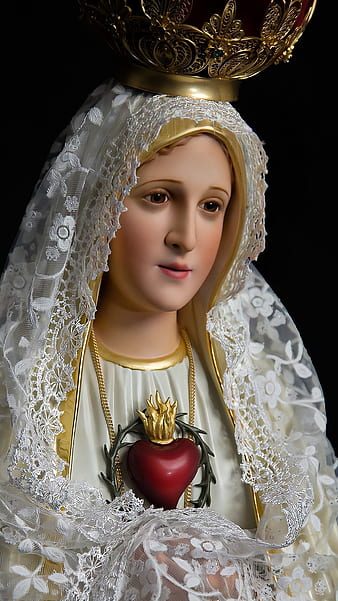
Mary, Mother of God: Our Guide to Eternal
Updated at: 2023-08-05 13:20:31 (2 years ago by Melkisedeck Leon Shine)
πMary, Mother of God: Our Guide to Eternal Joyπ
πΉ Introduction: The significance of Virgin Mary in Christian Catholicism cannot be overstated. Throughout history, she has been venerated as the Mother of God and the perfect model of faith and virtue. Let us explore how Mary, our beloved guide, can lead us to eternal joy.
ππΌ Mary's Immaculate Conception: Unlike any other human being, Mary was conceived without the stain of original sin, making her the perfect vessel for carrying and nurturing the Son of God. Her purity and holiness set her apart.
π Mary as the Mother of God: Mary's divine motherhood is a cornerstone of the Christian faith. The Bible clearly states in Luke 1:43, "And why is this granted me, that the mother of my Lord should come to me?" Mary's unique role as the Mother of Jesus emphasizes her closeness to God and her intercessory power.
π Mary's Fiat: In Luke 1:38, Mary humbly accepts God's plan for her life, saying, "Behold, I am the handmaid of the Lord; let it be to me according to your word." Her complete surrender to God's will teaches us the importance of trust, obedience, and humility in our own lives.
πΉ Mary as Our Intercessor: Just as Mary interceded on behalf of the couple at the wedding in Cana, she continues to intercede for us before her Son, Jesus. The Catechism of the Catholic Church beautifully states in paragraph 2677, "By asking Mary to pray for us, we acknowledge ourselves to be poor sinners and we address ourselves to the 'Mother of Mercy', the All-Holy One."
ποΈ Mary's Role in Salvation: Mary's "yes" to God's plan brought salvation to the world. Through her cooperation, Jesus Christ, our Savior, was born. She is truly the Mother of our redemption, and her unwavering faith inspires us to draw closer to Christ.
π A Life of Virtue: Mary's life was a shining example of holiness and virtue. She exhibited qualities such as purity, humility, compassion, and obedience. As we strive to live a Christ-centered life, we can turn to Mary as a guide in cultivating these virtues.
πΊ Mary and the Rosary: The Rosary is a powerful prayer that allows us to meditate on the life of Jesus through the eyes of Mary. By praying the Rosary, we deepen our relationship with Christ and draw closer to our Heavenly Mother.
βͺ Mary and the Church: Mary has a special place in the heart of the Church. She is the perfect model of discipleship and an example of faithfulness to God's mission. As we navigate our spiritual journey, we look to Mary as a guide and advocate.
π Marian Apparitions: Throughout history, Mary has appeared to various individuals, delivering messages of hope, repentance, and conversion. These apparitions serve as a reminder of Mary's maternal love for us and her desire to lead us to eternal joy.
π Saints' Devotion to Mary: Numerous Catholic saints have expressed their deep devotion to Mary. St. Louis de Montfort, for example, wrote extensively about consecration to Mary and the benefits of entrusting oneself to her care.
πΉ Mary as Our Mother: Jesus, while on the cross, entrusted Mary to the care of the beloved disciple, saying, "Behold, your mother" (John 19:27). In that moment, Mary became our spiritual mother, guiding and nurturing us in our journey towards Heaven.
ππΌ The Prayers of Mary: Mary's prayers are powerful and efficacious. Just as she interceded for the wedding couple at Cana, she intercedes for us in our time of need. Let us turn to her with confidence, knowing that she will bring our petitions before her Son.
π Mary's Love for All: Mary's love extends to all of humanity, regardless of our shortcomings or sins. She invites us to approach her with childlike trust, knowing that she will lead us to her Son, who is the source of eternal joy.
π Conclusion: Mary, Mother of God, is a guiding light in our journey towards eternal joy. Through her example, intercession, and love, she leads us closer to Jesus. Let us embrace her motherly care and seek her guidance as we strive to live a life pleasing to God.
πΉ What are your thoughts on the immense love and guidance that Mary, Mother of God, provides for us? How has she influenced your spiritual journey? Share your thoughts and experiences below! ππΌ
Updated at: 2023-08-05 13:19:48 (2 years ago by Melkisedeck Leon Shine)
The Holy Family: Mary's Role as Mother and Example ππͺ
Introduction: The Holy Family holds a special place in the hearts of Christians worldwide. At its center is the beloved figure of Mary, the Mother of God, who played a crucial role in nurturing and raising Jesus. Let us explore Mary's role as a mother and how she serves as an example for all of us.
Mary's Divine Motherhood: Mary's unique role as the Mother of God sets her apart from any other woman in history. In Luke 1:31-32, the angel Gabriel proclaims, "You will conceive in your womb and bear a son, and you shall name him Jesus. He will be great and will be called Son of the Most High." This divine motherhood highlights Mary's unparalleled closeness to God and her central role in salvation history.
Mary's Exclusive Motherhood: Contrary to some misconceptions, Mary remained a perpetual virgin, dedicating herself entirely to God's plan. The Bible clearly states that Jesus was her only child, as affirmed in Matthew 1:25, "But he had no relations with her until she bore a son, and he named him Jesus." Mary's unique and exclusive motherhood emphasizes her purity and devotion to God.
Mary's Example of Faith: Mary's unwavering faith in God shines through her life, serving as a model for all believers. In Luke 1:38, Mary humbly submits to God's will, saying, "Behold, I am the handmaid of the Lord. May it be done to me according to your word." Her complete surrender to God's plan inspires us to trust in His guidance and embrace our own callings.
Mary's Intercessory Role: As the Mother of God, Mary holds a special place in interceding for us before her Son. In John 2:3-5, Mary's intercession at the Wedding at Cana led to the first public miracle of Jesus, demonstrating her powerful role in our lives. Just as she cared for the needs of the wedding guests, Mary cares for our spiritual needs and intercedes for us in heaven.
Mary's Compassion and Love: Mary's role as a mother extends beyond her relationship with Jesus. Throughout his life, Jesus experienced the love and compassion of Mary, who stood by him even in the most challenging moments. As Christians, we can learn from Mary's unconditional love and emulate her compassion towards others.
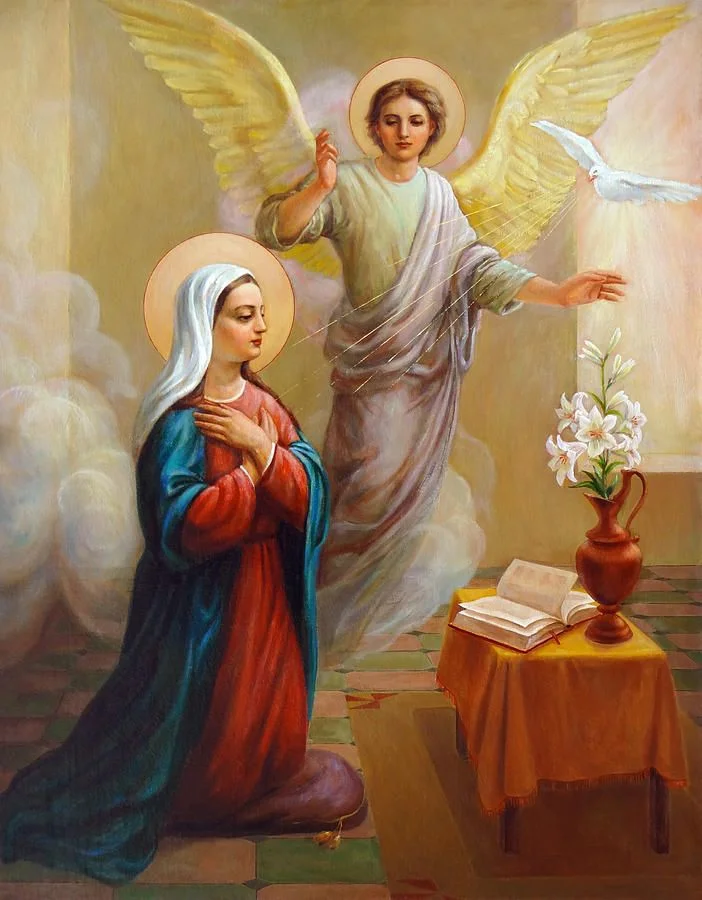
The Annunciation: The Annunciation serves as a pivotal moment in Mary's life, as she wholeheartedly accepts God's plan to become the Mother of the Savior. This event showcases her profound humility and willingness to serve. The Catechism of the Catholic Church, paragraph 494, beautifully states, "Called in the Gospels 'the mother of Jesus,' Mary is acclaimed by Elizabeth, at the prompting of the Spirit and even before the birth of her son, as 'the mother of my Lord.'"
Mary's Acceptance of Suffering: Mary's journey as a mother was not without its share of sorrow. Witnessing her Son's crucifixion must have been an unimaginable pain. In John 19:26-27, Jesus entrusts his beloved disciple John to Mary's care, saying, "Woman, behold your son." Even in her agony, Mary demonstrates her strength and motherly love, embracing her role as the spiritual mother of all believers.
Mary's Example of Humility: Mary's humility sets an example for us all. In Luke 1:48, she exclaims, "For he has looked upon his handmaid's lowliness; behold, from now on will all ages call me blessed." Despite her exalted status as the Mother of God, Mary remains humble, acknowledging her dependence on God's grace.
Devotion to Mary: Throughout history, countless saints and theologians have expressed deep devotion to Mary. St. Louis de Montfort once said, "The more the Holy Spirit finds Mary, His dear and inseparable spouse, in any soul, the more active and mighty He becomes in producing Jesus Christ in that soul." This devotion to Mary leads us closer to Jesus, reflecting her role as the spiritual mother of all Christians.
Mary as Our Model: As Christians, we are called to imitate Mary's virtues and seek her intercession. The Catechism of the Catholic Church, paragraph 967, affirms, "By her complete adherence to the Father's will, to his Son's redemptive work, and to every prompting of the Holy Spirit, the Virgin Mary is the Church's model of faith and charity." Mary's example teaches us to embrace God's will, have faith, and show love to others.
Conclusion: Mary's role as a mother and example in the Holy Family is a testament to her unwavering faith, love, and humility. Through her intercession and motherly care, she continues to guide and inspire Christians around the world. Let us reflect on the profound impact Mary had and continues to have on our lives, and strive to follow her example in our own journey of faith.
What are your thoughts on Mary's role as the Mother of God and her example for us? How has she influenced your spiritual journey? Share your opinions and experiences below!
Updated at: 2023-08-05 13:20:23 (2 years ago by Melkisedeck Leon Shine)
The Assumed Role of Mary in Christian Art and Iconography
πΉβοΈ Mary, the Mother of God, holds a special place in the hearts of Christians around the world. Her role as the mother of Jesus and her unwavering faith have made her an enduring symbol of love, devotion, and purity. Through the centuries, artists have sought to capture her essence in their paintings, sculptures, and icons. In this article, we will explore the assumed role of Mary in Christian art and iconography, and celebrate the beauty and significance she holds in the spiritual realm.
Mary as the Mother of God: According to Christian belief, Mary conceived Jesus through the power of the Holy Spirit, remaining a virgin before, during, and after the birth of her divine son. This exalted role has been depicted in countless artworks, such as Leonardo da Vinci's famous painting, "The Annunciation," which portrays the angel Gabriel announcing Mary's conception.
The Madonna and Child: One of the most iconic representations of Mary is that of the Madonna and Child. This image depicts Mary cradling the infant Jesus in her arms, symbolizing her role as the nurturing and loving mother. Artists have depicted this scene in various styles and mediums, each highlighting the tenderness and deep connection between mother and child.
Mary as the Immaculate Conception: The doctrine of the Immaculate Conception teaches that Mary was conceived without original sin, preparing her to be the vessel through which God's salvation would enter the world. This belief has been expressed in many artworks, such as BartolomΓ© Esteban Murillo's painting, "The Immaculate Conception," which portrays Mary standing on a crescent moon, surrounded by angels.
The Pieta: Perhaps one of the most poignant and heart-wrenching representations of Mary is the Pieta, which portrays her holding the lifeless body of Jesus after his crucifixion. This powerful image, sculpted by Michelangelo, captures the profound sorrow and grief of a mother who has lost her beloved son.
The Assumption of Mary: According to Catholic tradition, Mary was assumed body and soul into heaven at the end of her earthly life. This belief has been celebrated in numerous artworks, such as Titian's painting, "Assumption of the Virgin," which depicts Mary being lifted up by a host of angels.
The Coronation of Mary: In some Christian traditions, Mary is believed to have been crowned as the Queen of Heaven and Earth. This belief is often depicted in artworks, with Mary wearing a crown and surrounded by hosts of angels and saints. One notable example is the painting "Coronation of the Virgin" by Diego VelΓ‘zquez.
Mary as the Mediatrix: Catholic teaching holds that Mary plays a unique role in interceding for humanity. This belief is often represented in artworks, with Mary depicted as the bridge between heaven and earth, bringing the prayers of the faithful to God. A well-known example is the icon of Our Lady of Perpetual Help, which shows Mary holding the infant Jesus, while angels display symbols of his impending passion.
The Visitation: The visitation of Mary to her cousin Elizabeth, as described in the Gospel of Luke, has been a popular subject in Christian art. This joyful encounter between the two women, both pregnant with miraculous children, is often depicted with great warmth and intimacy, emphasizing the bond between Mary and Elizabeth.
The Seven Sorrows of Mary: Another common theme in Christian art is the depiction of Mary's seven sorrows. These include the prophecy of Simeon, the flight into Egypt, and Jesus' crucifixion. The Seven Sorrows have been a powerful devotion for many Catholics, and artists have conveyed the deep emotional pain of Mary through their works.
The Rosary: The use of the rosary, a prayer devotion that focuses on the life of Jesus and Mary, has influenced Christian art as well. Many artworks feature Mary holding a rosary, symbolizing her role as the guide and intercessor for those who pray the rosary.
The Magnificat: Mary's prayer of praise and gratitude, known as the Magnificat, has inspired artists to depict her in a posture of worship and adoration. This prayer, found in the Gospel of Luke, highlights Mary's humility and her acknowledgment of God's greatness.
The Assumption of Mary in the Catechism of the Catholic Church: "Finally the Immaculate Virgin, preserved free from all stain of original sin, when the course of her earthly life was finished, was taken up body and soul into heavenly glory, and exalted by the Lord as Queen over all things, so that she might be the more fully conformed to her Son, the Lord of lords and conqueror of sin and death" (CCC, 966).
The Love of Mary: Throughout Christian history, countless saints and faithful followers have expressed their deep love and devotion to Mary. This love is reflected in the art and iconography dedicated to her, as believers seek to honor and emulate her virtues.
The Influence of Mary in Christian Spirituality: Mary's role in Christian art and iconography extends beyond visual representation. She serves as a powerful example of faith, obedience, and love for God. Many Christians turn to Mary as a source of inspiration and guidance in their spiritual journeys.
Opinion: What are your thoughts on the role of Mary in Christian art and iconography? Do you find her representations in art inspiring and meaningful? How has Mary influenced your own spiritual journey? Share your thoughts and experiences below! ππΉβοΈ
Updated at: 2025-06-23 05:55:08 (9 months ago by Melkisedeck Leon Shine)
This essay examines the pivotal role of the Virgin Mary within the framework of Christian soteriology, employing theological concepts and principles to illuminate her significance in God's plan of salvation. Key terms will be defined to ensure clarity and precision. "Soteriology" refers to the study of salvation, encompassing the doctrines of Christ's atoning death and resurrection, and the application of this salvation to humanity. "Immaculate Conception" signifies Mary's conception free from original sin. "Perpetual Virginity" highlights Mary's virginity before, during, and after the birth of Jesus. These concepts underpin the theological analysis presented here.
Conclusions and Recommendations: This analysis demonstrates that Mary's role in salvation history is multifaceted and profoundly significant. Her unique position as the Theotokos, her unwavering faith, and her intercessory role are integral to Christian theology and devotion. Further research could explore comparative theological analyses of Marian doctrines across different Christian traditions, examining variations and commonalities in understanding Mary's significance. The application of these principles to contemporary pastoral care and spiritual formation could enhance a deeper understanding of Maryβs role as a model of faith for believers.
Reader Pool: Considering the multifaceted theological perspectives presented in this essay, what implications might a nuanced understanding of Mary's role hold for contemporary theological discourse and spiritual practices?
Updated at: 2023-08-05 13:20:25 (2 years ago by Melkisedeck Leon Shine)
Title: Mary, Ark of the New Covenant: Bearing the Savior of the World
Introduction:
πβ¨πβ¨
As Christians, we hold a deep reverence for the Blessed Virgin Mary, the Mother of God. Her role in salvation history is one of great significance and her unwavering faith is an inspiration to us all. In this article, we will explore the beautiful title bestowed upon her - Mary, Ark of the New Covenant. Let's delve into why she is called such and how her unique role as the bearer of the Savior of the world fulfills the divine plan.
ππΉ
From the Annunciation to her acceptance of God's will, Mary played a pivotal role in God's plan for the salvation of humanity. Just as the Ark of the Old Covenant held the tablets of the Ten Commandments, Mary carried within her womb the Word made flesh, Jesus Christ.
πβοΈ
In the Old Testament, the Ark of the Covenant was considered holy and revered by the Israelites. It symbolized the presence of God among His people. Similarly, Mary, as the Ark of the New Covenant, carried within her the presence of God made flesh.
ππ
In the Book of Luke, we find the account of Mary's visit to her cousin Elizabeth. When Elizabeth heard Mary's greeting, she exclaimed, "Blessed are you among women, and blessed is the fruit of your womb!" (Luke 1:42) This echoes the words of King David in 2 Samuel 6:9, when he exclaimed, "How can the ark of the Lord come to me?" These parallels serve to highlight Mary's unique role as the Ark of the New Covenant.
π·πΌ
Mary, in her immaculate conception, preserved from all sin, provided the perfect dwelling place for Jesus. Just as the Ark of the Old Covenant was crafted with pure gold, Mary's purity made her a fitting vessel to carry the Son of God.
πβͺοΈ
From the earliest days of Christianity, the Catholic Church has held Mary in the highest regard. The Catechism of the Catholic Church states, "The Church's devotion to the Blessed Virgin is intrinsic to Christian worship." (CCC 971) Mary's role as the Ark of the New Covenant is central to this devotion.
ππ
Throughout history, numerous saints have expressed their devotion to Mary as the Ark of the New Covenant. Saint Ambrose wrote, "You are the vessel and tabernacle containing all mysteries." Saint Thomas Aquinas proclaimed, "Mary is the true Ark, because the flesh of Christ, the Bread of Life, has been contained in her."
β¨πβ¨
By embracing her role as the Ark of the New Covenant, Mary willingly carried the Savior of the world within her. She became the bridge between heaven and earth, bringing hope and salvation to all humanity.
π€±π
As the Mother of God, Mary's love and tender care for Jesus were unparalleled. Just as the Ark of the Old Covenant provided protection and shelter for the tablets of the Law, Mary protected and nurtured Jesus throughout His earthly life.
πΉπΉ
The Catholic Church teaches that Mary remained a perpetual virgin, even after giving birth to Jesus. This belief is based on biblical evidence, such as the angel's greeting to Mary, "Hail, full of grace!" (Luke 1:28) and Joseph's decision to take Mary as his wife without knowing her intimately (Matthew 1:18-25).
πβ¨
Mary's unwavering faith and obedience to God's will serve as an example for all believers. Her "Fiat" (Luke 1:38), her "Yes" to God's plan, teaches us the importance of surrendering ourselves to God's divine will.
πΉπ
The Catholic Church recognizes Mary as our powerful intercessor before God. Just as the Ark of the Old Covenant was a means of communicating with God, Mary's prayers and intercession bring us closer to her Son, Jesus Christ.
πΊπΊ
Just as the Ark of the Old Covenant was carried into the Promised Land, Mary, as the Ark of the New Covenant, continues to accompany us on our spiritual journey. She is the Mother of the Church, guiding and protecting us along the way.
π«π
Devotion to Mary brings immense joy, comfort, and spiritual graces. Our blessed Mother's love is a constant source of solace and inspiration. Through her intercession, we are drawn closer to the heart of her Son, Jesus.
πΉβοΈ
Mary's obedient "Yes" to God's plan played a vital role in our salvation. Through her cooperation, Jesus, the Savior of the world, was born into our midst, offering eternal life and redemption to all who believe.
β¨π·β¨
Mary, Ark of the New Covenant, holds a special place in our hearts and in the teachings of the Catholic Church. Her unique role as the bearer of the Savior of the world is a testament to her unwavering faith and love for God. Let us turn to her in prayer, seeking her intercession and guidance, as we strive to follow her example of trust and surrender to God's will.
What are your thoughts on the significance of Mary as the Ark of the New Covenant? How has devotion to her impacted your spiritual journey?
Updated at: 2023-08-05 13:19:26 (2 years ago by Melkisedeck Leon Shine)
The Miracles and Apparitions of the Virgin Mary πΉ
The Virgin Mary, the beloved Mother of God, has graced the world with her presence through numerous miracles and apparitions. πβ¨
In the Bible, we see the first miracle performed by Mary during the Wedding at Cana. She interceded with her Son Jesus, turning water into wine and initiating his public ministry. This demonstrates her powerful intercessory role and her ability to bring our concerns to Jesus. π·π°π
Another biblical example of Mary's miraculous presence is the Annunciation. When the angel Gabriel appeared to her, she humbly accepted God's will and became the mother of our Savior, Jesus Christ. This miraculous event highlights her obedience, faith, and willingness to serve the Lord. ποΈπΌπ©βπ¦
Throughout history, the Virgin Mary has appeared to individuals around the world, offering comfort, guidance, and messages of love. One notable apparition is Our Lady of Guadalupe, where Mary appeared to St. Juan Diego in Mexico, leaving her miraculous image on his tilma. This extraordinary event brought about the conversion of millions and continues to inspire faith and devotion today. πΉπ²π½π
The Catholic Church recognizes these apparitions as authentic and encourages devotion to the Virgin Mary. The Catechism of the Catholic Church teaches that Mary is the Mother of God and the Queen of Heaven, and her intercession is powerful. πππ
Saints throughout history have testified to the miraculous intercession of the Virgin Mary. St. Maximilian Kolbe, a Polish Franciscan friar, experienced her presence during his time in a concentration camp, where she provided comfort and strength. St. Bernadette Soubirous, upon seeing Mary in Lourdes, experienced miraculous healings and witnessed the spring of miraculous water that continues to flow to this day. πΊπ§πΏ
The Virgin Mary's love for humanity is boundless, and she always leads us closer to her Son, Jesus. Just as the Church teaches, she is the perfect example of how to live a life of holiness and devotion to God. ππ·π
The Church encourages us to seek the intercession of the Virgin Mary in times of need. She is a loving and compassionate mother who cares for each of us individually. We can turn to her with our joys and sorrows, knowing she will always bring us closer to Jesus. πΉππ
Through her apparitions, Mary often delivers messages of peace, repentance, and prayer. She calls us to conversion and to live a life of faith in accordance with the teachings of her Son. πβοΈποΈ
One of the most famous apparitions of Mary is Our Lady of Fatima, where she appeared to three shepherd children in Portugal in 1917. She emphasized the importance of prayer, especially the Rosary, and warned of the consequences of sin. Her messages continue to inspire millions to seek repentance and turn their hearts back to God. πΉπΏπ
The Virgin Mary's presence in our lives is not limited to specific apparitions. She is always with us, guiding us and interceding for us. As the Mother of God, her love for us knows no bounds. πΉππ©βπ¦
The Catechism of the Catholic Church teaches that Mary's role as the Mother of God is unique and unparalleled. She is "the most excellent fruit of redemption" and "a wholly unique creature, who was preserved from all stain of original sin." (CCC 508) Her holiness and closeness to God make her a powerful advocate for us all. πππΉ
While we don't worship Mary, we honor her as the Mother of God and our spiritual mother. Through her prayers and intercession, she brings us closer to Jesus and helps us navigate the challenges of life. πππ·
The miracles and apparitions of the Virgin Mary remind us of her constant presence and love for humanity. Her intercession has brought about countless healings, conversions, and miracles throughout history. She is a beacon of hope and a source of comfort for all who seek her help. πΉβ¨π
In conclusion, the miracles and apparitions of the Virgin Mary are a testament to her role as our spiritual mother and intercessor. Through her love, guidance, and intercession, we can experience the powerful presence of God in our lives. Let us open our hearts to her maternal care and seek her intercession whenever we are in need. πΉππ
What are your thoughts on the miracles and apparitions of the Virgin Mary? How has her intercession impacted your spiritual journey? Share your experiences and reflections below.
Updated at: 2025-06-05 13:38:06 (10 months ago by Melkisedeck Leon Shine)
This article examines the multifaceted role of Marian devotion within the Roman Catholic faith, exploring its impact on spiritual growth, interpersonal relationships, and psychological well-being. We will define key concepts, such as Marian devotion (the practice of expressing faith and piety towards the Virgin Mary), intercession (Mary's role in mediating between humanity and God), and theological anthropology (the study of humanity's nature and relationship with God). The analysis integrates theological perspectives with insights from psychology, specifically focusing on the application of attachment theory and the role of religious rituals in fostering a sense of belonging and security.
1. Mary as a Model of Faith and Trust: A Foundation for Spiritual Growth
Mary's unwavering faith, as exemplified in her acceptance of the Annunciation ("Behold, I am the handmaid of the Lord; let it be to me according to your word," Luke 1:38), provides a powerful example for believers. This resonates with the concept of Imitatio Christi, the imitation of Christ, which extends to emulating the virtues of those closest to Him. Mary's unhesitating obedience and trust in God's plan, even amidst uncertainty, serves as a vital lesson in surrendering to divine providence. Psychologically, this model strengthens faith by promoting reliance on a higher power, which can be particularly beneficial in times of stress and adversity. This aligns with Bandura's Social Cognitive Theory, which emphasizes observational learning and the power of role models in shaping behavior and beliefs.
2. The Intercessory Role of Mary: Facilitating Connection with the Divine
Catholic theology posits Mary's unique position as intercessor, a concept supported by scriptural accounts like the wedding at Cana (John 2:1-11). This intercession is not seen as bypassing Christ but rather as a reflection of Mary's intimate relationship with God and her compassionate concern for humanity. From a psychological perspective, this belief can foster a sense of security and hope, particularly during challenging times. The act of entrusting prayers to Mary can be interpreted through the lens of attachment theory, where Mary serves as a symbolic secure attachment figure, mediating the relationship with a potentially distant or unknowable God. This reinforces the importance of relational spirituality.
3. Strengthening Family Bonds: Cultivating Shared Faith and Ritual
Marian devotion frequently involves shared practices, such as praying the Rosary together. These shared rituals contribute to the strengthening of family bonds through collective participation in a faith-based activity. This strengthens social cohesion and provides a sense of shared identity, which is consistent with Durkheim's sociological theories on the importance of collective rituals in maintaining social order and strengthening group bonds. Family prayers and the display of Marian images in the home create a shared spiritual space that fosters a sense of belonging and promotes shared values.
4. Marian Devotion as a Source of Consolation and Hope
Mary's presence at the foot of the cross (John 19:25-27) offers a powerful image of compassion and enduring love. This resonates deeply with those facing sorrow and loss, providing a sense of empathy and understanding from a maternal figure. From a psychological perspective, this resonates with the concept of spiritual coping, where religious beliefs and practices provide comfort and resilience in the face of adversity. The belief in Mary's compassionate understanding can provide a significant source of emotional support and hope during difficult life transitions.
5. The Rosary: A Structured Path to Spiritual Growth
The Rosary is a structured prayer practice that provides a framework for meditation on the life, death, and resurrection of Christ. This repetitive nature fosters mindfulness and promotes a state of contemplative prayer. The rhythmic repetition of prayers can facilitate a state of relaxation and reduce stress and anxiety, aligning with the benefits often associated with meditative practices. The Rosary's structure also offers a tangible expression of faith, which is beneficial for those seeking a structured spiritual practice.
6. Marian Apparitions and Theological Interpretation
Numerous Marian apparitions, such as those at Lourdes and Fatima, offer moments of spiritual significance and renewal. While their theological status varies, they often convey messages of hope, repentance, and conversion. These apparitions can be viewed through the lens of collective memory and shared experiences, unifying believers and reinforcing their faith. Psychologically, these events provide a powerful sense of shared experience and can strengthen the bond among members of the community who share the belief in these apparitions.
7. Marian Devotion and the Strengthening of the Relationship with Christ
Ultimately, Marian devotion serves as a path toward a deeper relationship with Jesus Christ. Mary's role is consistently portrayed as pointing towards her son, emphasizing the primacy of Christ (John 2:5). This reinforces the understanding that devotion to Mary is not an end in itself but a means of deepening the faith and strengthening the connection with the central figure of Christian faith. This dynamic is crucial, illustrating how Marian devotion can act as a catalyst for broader spiritual growth.
Conclusion and Recommendations
This exploration demonstrates that Marian devotion holds significant theological and psychological dimensions. Its impact extends beyond personal faith, influencing family dynamics, community cohesion, and individual coping mechanisms. Further research could explore the comparative efficacy of Marian devotion in various contexts and populations, employing quantitative methodologies to analyze the correlation between Marian devotion and well-being indicators. The integration of qualitative research methods, such as interviews and focus groups, would further enrich our understanding of the lived experiences of those engaging in these devotional practices. The findings presented herein emphasize the need for a holistic approach to understanding religious practice, acknowledging both its spiritual and psychological impacts. Recommendations include encouraging further research into the psychological benefits of Marian devotion, particularly in the areas of stress reduction, emotional regulation, and family cohesion. The integration of this research with pastoral practice can enhance spiritual care and support for individuals and families.
Reader Pool: Considering the multifaceted aspects of Marian devotion explored in this article, what are the potential ethical implications of utilizing Marian devotion as a therapeutic tool in secular settings?
Updated at: 2025-06-05 11:46:05 (10 months ago by Melkisedeck Leon Shine)
```htmlArticle Title: Mary, Mother of God and Intercessor: A Framework for Navigating Life's Adversities
Introduction: This article explores the multifaceted role of Mary, the Mother of God, within Catholic theology and its practical application in overcoming life's challenges. We will analyze Mary's significance through key theological concepts, examining her influence on faith, spiritual guidance, and the development of personal resilience. The concepts of intercession, maternal guidance, and the embodiment of virtues will be central to this analysis, demonstrating their relevance to contemporary life experiences.
1. Mary: The Theological Foundation of Intercession: Mary's unique position as the Mother of Jesus Christ is the cornerstone of Catholic Marian devotion. This status, established through biblical narratives and theological interpretation, establishes her as a potent intercessor. The concept of intercession, within the framework of Catholic theology, posits Mary's ability to present the prayers and petitions of believers to God. This is not a negation of Christ's unique mediatory role, but rather an understanding of Maryβs role in the divine economy of salvation, a role rooted in her profound relationship with Christ, exemplified in the events of the Gospels. This resonates with the sociological concept of social capital, whereby individuals leverage their relationships (in this case, Mary's relationship with God) to access resources and support for others.
2. Mary as a Model of Virtue and Resilience: Mary's life, as depicted in the Gospels and subsequent theological reflection, serves as a paradigm of virtues central to Christian living: humility, faith, obedience, and perseverance. Drawing upon virtue ethics, we can see Mary's unwavering faith amidst life's trials, from the annunciation to the crucifixion, as a model for cultivating resilience. This model is particularly relevant in contemporary society, where individuals face numerous stressors and challenges requiring the development of coping mechanisms grounded in spiritual and ethical principles. Mary's actions provide a concrete example of how to navigate difficult situations with faith, hope, and charity.
3. Marian Devotion and Spiritual Practices: The Rosary, a quintessential Marian devotion, provides a framework for contemplative prayer, focusing on the mysteries of Christ's life and Mary's role within them. This practice aligns with contemplative traditions that emphasize mindfulness and self-reflection, fostering spiritual growth and emotional regulation. Furthermore, the act of praying the Rosary facilitates the development of a sustained relationship with God through Mary, bolstering faith and strengthening coping mechanisms during times of adversity. The effectiveness of this practice can be linked to cognitive-behavioral therapy (CBT) principles that emphasize the power of positive affirmations and repetitive practices to shape one's emotional and psychological state.
4. Marian Apparitions and Their Contemporary Significance: Documented Marian apparitions, such as those at Lourdes and Fatima, offer significant insight into Mary's continued role as a spiritual guide. These events, often associated with messages of repentance, hope, and prayer, function as powerful reminders of the divine presence and Mary's maternal concern for humanity. Their continuing relevance lies in their capacity to foster spiritual renewal and community building within the Catholic faith, thereby increasing the psychological and emotional support available to believers. From a sociological perspective, these apparitions strengthen social cohesion and collective identity within Catholic communities.
5. Theological Doctrines and Their Implications: The dogmas of the Immaculate Conception and the Assumption of Mary provide a deeper understanding of her unique role in salvation history. These doctrines, rooted in centuries of theological reflection, highlight Mary's complete freedom from original sin and her ultimate glorification in heaven. The implications are not just theological but also offer profound spiritual insight for believers, emphasizing the possibility of holiness and the ultimate triumph of good over evil. These beliefs serve as a powerful source of hope and inspiration, supporting the belief that enduring suffering can lead to spiritual growth and eternal life.
6. Mary as Spiritual Mother and Guide: The concept of Mary as spiritual mother transcends a purely literal interpretation, representing a deeply significant relationship between the believer and God. This relationship is fostered through prayer, imitation of Mary's virtues, and a commitment to following Christβs teachings. The maternal image of Mary offers solace and comfort, promoting a sense of belonging and unconditional love that can strengthen spiritual resilience. This concept aligns with attachment theory, which emphasizes the importance of secure attachments for emotional well-being and personal growth.
Conclusions and Recommendations: This analysis demonstrates the profound impact of Mary's role within Catholic theology on fostering spiritual growth and resilience. Mary's intercession, her example of virtue, and her representation as a loving mother provide a powerful framework for navigating life's challenges. Further research could explore the psychological and sociological implications of Marian devotion, examining its effects on mental health, community cohesion, and the development of coping mechanisms in diverse populations. The application of interdisciplinary approaches, combining theological analysis with psychological and sociological perspectives, would enhance our understanding of Mary's enduring influence on believers.
Reader Pool: How might a deeper understanding of Maryβs role in Catholic theology inform the development of more effective pastoral care strategies for individuals facing personal crises?
```
Updated at: 2025-06-21 14:42:26 (9 months ago by Melkisedeck Leon Shine)
Article Title: Mary: A Marian Christological Framework for Navigating Life's Adversities
Introduction: This article explores the multifaceted role of Mary, the Mother of Jesus, within Roman Catholic theology, examining her significance as a source of guidance and support in confronting life's challenges. Key concepts, such as Marian Christology, intercessory prayer, and the application of spiritual models like the Rosary, will be analyzed within the context of lived experience and theological frameworks. We will explore how Maryβs life and example, as understood through various theological doctrines and devotional practices, offer a path to spiritual resilience and growth.
Mary's Role within Marian Christology: Central to Roman Catholic understanding is the unique position of Mary as the Theotokos (God-bearer), the Mother of God. This christological foundation underpins her role as a model of faith and obedience. Mary's unwavering acceptance of God's will, as exemplified by her "fiat" ("let it be") at the Annunciation (Luke 1:38), serves as a paradigm of surrender and trust. This resonates with the theological concept of *kenosis*βthe self-emptying of Christβreflecting a mirroring of humility and devotion in Mary's life. Her virtues, often highlighted in Marian devotions, represent ideals of faith, hope, and charity, offering a practical model for Christian living. This model functions as a blueprint for cultivating spiritual virtues and confronting personal challenges within a faith-based framework.
The Efficacy of Marian Intercession: The Catholic Church teaches that Mary, as the Mother of God, occupies a unique position of privilege before God. This doctrine supports the concept of intercessory prayer to Mary, based on the understanding that she continues to advocate for humanity before her Son. This practice aligns with sociological theories of social support networks, where the perceived presence of a powerful advocate provides comfort and hope during times of hardship. The belief in Mary's intercession provides a form of emotional and spiritual sustenance, enabling individuals to navigate adversity with increased resilience. The wedding at Cana (John 2:1-11) serves as a pivotal example illustrating Mary's intercessory power and her concern for humanity's needs. Her intercession functions as a spiritual lifeline, facilitating communication with God through prayer and devotion. This aligns with psychological theories of attachment, where secure attachment figures provide support and encouragement.
The Rosary: A Structured Approach to Spiritual Growth: The Rosary, a traditional Catholic devotion, provides a structured framework for meditating on the life of Christ through the lens of Maryβs experiences. This structured prayer involves contemplative reflection on specific events (mysteries) in the lives of Jesus and Mary. This application of mindful prayer can be analyzed through cognitive behavioral therapy (CBT) principles, where focused contemplation allows individuals to regulate emotions and confront negative thought patterns. The repetitive nature of the prayers enhances meditative focus, enabling spiritual growth and fostering a deeper connection with God through Mary's intercession. The act of repeating prayers fosters mindfulness and tranquility, allowing for greater emotional self-regulation, a critical element in navigating challenges effectively.
Marian Apparitions and their Psychological and Sociological Impact: Throughout history, reported Marian apparitions have profoundly influenced individuals and communities. These apparitions, such as those at Lourdes and Fatima, often carry messages of hope, repentance, and faith. The sociological impact of these events is significant; they unite communities, promote prayer, and inspire acts of charity. From a psychological perspective, belief in these apparitions offers a sense of hope and divine guidance for those encountering adversity. The sense of community and shared spiritual experiences fosters a sense of belonging and support, aligning with social identity theory in reducing feelings of isolation and vulnerability.
Mary's Magnificat: A Testament to Faith and Humility: Mary's Magnificat (Luke 1:46-55) is a powerful hymn of praise that highlights themes of faith, humility, and God's justice. Its contemplative recitation allows for deeper introspection and a re-centering of one's perspective on adversity. The Magnificat's message can be viewed through a lens of positive psychology, reminding individuals of the potential for positive growth and transformation, even amid hardship. By embracing the themes of humility, gratitude, and faith, individuals can foster inner strength and resilience, which are essential in navigating lifeβs complexities. This reinforces the concept of meaning-making and positive coping strategies which are vital for psychological well-being.
Doctrinal Foundations: The Immaculate Conception and the Assumption: Two significant Marian dogmasβthe Immaculate Conception and the Assumptionβdeepen our understanding of Mary's role within salvation history. The Immaculate Conception asserts Mary's freedom from original sin, highlighting her unique role as Godβs chosen vessel. The Assumption emphasizes the bodily and spiritual glorification of Mary, foreshadowing the hope of resurrection for all believers. These doctrines provide a theological framework for contemplating spiritual ideals of holiness and transcendence. These provide powerful symbolic reminders of spiritual aspirations and the ultimate triumph of good over evil, offering hope and strength to individuals facing challenges.
Mary as Spiritual Mother: The concept of Mary as spiritual mother builds upon her role as the Mother of God, extending her maternal care to all believers. This resonates with the notion of spiritual mentoring and guidance, and offers a model for supportive relationships within the Christian community. The analogy of a maternal figure provides comfort and security, offering a sense of belonging and emotional securityβimportant elements in navigating difficult periods. This spiritual mothering extends emotional sustenance and guidance to individuals, bolstering their ability to persevere through difficulties. This aligns with attachment theory, indicating a supportive environment promotes healthier coping mechanisms.
Conclusion and Recommendations: Mary, as understood within the framework of Marian Christology, provides a rich source of inspiration and guidance for navigating life's challenges. Her life serves as a testament to faith, hope, and unwavering devotion to God's will. The practices of intercessory prayer, the Rosary, and contemplative reflection on Marian themes offer practical pathways to spiritual growth and resilience. Further research could explore the comparative effectiveness of these spiritual practices as coping mechanisms during times of hardship, comparing them to established secular therapeutic interventions. Examining the cultural and societal influences on Marian devotion across various contexts would also provide valuable insights. The integration of spiritual and psychological approaches to well-being holds considerable promise for supporting individuals experiencing adversity. This study encourages the application of Maryβs example as a practical model of virtue and spiritual resilience, providing comfort, hope, and strength for navigating lifeβs inherent complexities.
Reader Pool: How might integrating theological concepts like Marian Christology and intercessory prayer with established psychological and sociological frameworks provide more holistic support for individuals facing personal crises?
Updated at: 2025-06-23 05:17:12 (9 months ago by Melkisedeck Leon Shine)
This article explores the Catholic doctrine of Mary's Queenship, examining its theological foundations, historical development, and spiritual implications. Key concepts include Mariology (the theological study of Mary), Theotokos (God-bearer, acknowledging Mary as the Mother of God), and intercession (Mary's role as mediator between humanity and God). We will analyze how these concepts intersect to shape the understanding and devotion surrounding Mary as Queen of Heaven.
The Assumption and its Theological Significance: Catholic doctrine teaches the Assumption of Mary, the belief that she was taken body and soul into Heaven. This doctrine, while not explicitly stated in scripture, is supported by a rich tradition and interpreted through the lens of Christological typology. The Assumption is viewed as a unique participation in Christ's resurrection, a prefiguration of the ultimate resurrection of all believers (similar to the concept of eschatology, the study of last things), and a reflection of her sinless nature. The book of Revelation's depiction of a woman crowned with stars, often interpreted as Mary, symbolizes her exalted position.
Biblical and Patristic Foundations: The Marian titles, "Queen of Heaven," "Queen of all Creation," and "Queen of Saints," are rooted in a long theological tradition. Early Church Fathers, such as Saint Augustine and Saint Jerome, laid the groundwork for understanding Mary's exceptional role in salvation history. Their writings, while not explicitly using the title "Queen of Heaven," emphasize Mary's obedience as a counterpoint to Eve's disobedience, positioning her as the "New Eve." The angel Gabriel's greeting to Mary in Luke 1:28, "Hail, full of grace," highlights her unique grace and holiness, further supporting the concept of her elevated status.
Mary's Role as Intercessor and Spiritual Mother: The Catholic understanding of Mary's Queenship is intrinsically linked to her role as intercessor and spiritual mother. Jesus' entrusting of Mary to John at the crucifixion ("Behold, your mother," John 19:27) establishes a powerful precedent for Mary's maternal role towards humanity. This maternal role fosters a deeper connection with believers, extending beyond simple veneration to a relationship of trust and spiritual guidance, mirroring the concept of spiritual motherhood found in various religious traditions.
Mary's Perpetual Virginity and its Significance: The doctrine of Mary's perpetual virginity reinforces her purity and holiness, further emphasizing her exalted status. This belief, central to Catholic Mariology, underscores the unique nature of her motherhood and her unwavering fidelity to God. It contributes to the broader theological understanding of her role as a model of faith and obedience.
Theological Balance: Avoiding Idolatry: It is crucial to emphasize that the devotion to Mary as Queen of Heaven does not detract from the supreme worship due to God alone. The Marian devotion serves as a means to honor Mary, recognizing her unique relationship with Jesus while maintaining the centrality of God's place. This aligns with the principle of dulia (veneration given to saints) distinguished from latria (worship reserved solely for God).
Conclusion and Recommendations: The doctrine of Mary's Queenship presents a rich and complex tapestry woven from biblical interpretation, theological reflection, and spiritual experience. Understanding this doctrine requires a careful examination of its historical development and theological nuances, emphasizing the balance between Marian devotion and the central role of Christ. Further research could focus on comparative analyses of Marian devotion across different Christian denominations and explore the psychological and sociological aspects of Marian piety. This study could also benefit from integrating interdisciplinary approaches including history, anthropology, and psychology to better understand the multifaceted nature of this significant aspect of Catholic belief.
Reader Pool: Considering the historical development and theological complexities discussed in this article, how might a nuanced understanding of Mary's Queenship contribute to fostering interfaith dialogue and mutual respect?