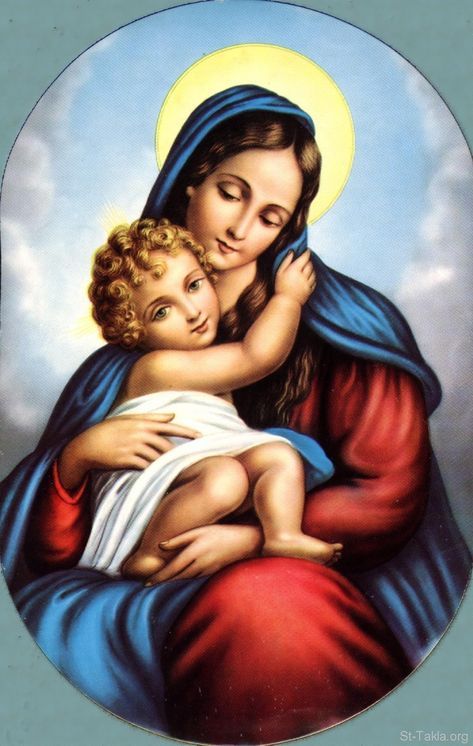
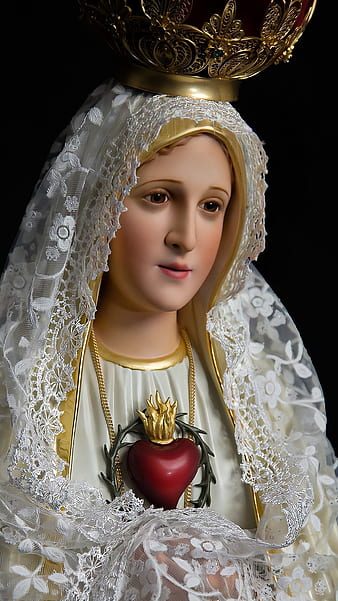
Mary, Mother of Sorrows: A Companion in Our Suffering
Updated at: 2023-08-05 13:19:39 (2 years ago by Melkisedeck Leon Shine)
Mary, Mother of Sorrows: A Companion in Our Suffering ππ
The Virgin Mary, Mother of God, holds a special place in the hearts of Christians around the world. π Her unwavering faith and courage serve as a beacon of hope and inspiration for those navigating the trials and tribulations of life.
In times of suffering, we can turn to Mary as a compassionate companion on our journey. πΉ She understands our pain, having endured unimaginable sorrows throughout her life.
One example of Mary's profound suffering can be found in the biblical account of her standing at the foot of the Cross during Jesus' crucifixion. As Jesus hung there, she witnessed her beloved son's agony and death. Yet, even in the midst of her own heartbreak, she remained steadfast in her faith. π
The Catechism of the Catholic Church beautifully describes Mary's role as a companion in our suffering, stating, "In her acceptance of this sorrowful burden, Mary became the Mother of all the living." (CCC 964) π
Mary's sorrows did not end with the crucifixion. She experienced the pain of exile in Egypt, the anxiety of losing Jesus in the temple, and the sorrow of witnessing his brutal crucifixion. πΊ These experiences allow her to empathize with us during our own times of sorrow.
Just as Mary was present with Jesus during his moments of suffering, she is also present with us in our own pain. Her compassion knows no bounds, and she intercedes for us before her Son, seeking comfort and healing for our wounded souls. π
The saints have also recognized Mary's role as a companion in suffering. Saint Alphonsus Liguori once said, "The sorrows of Mary were the martyrs of her heart." π Her deep love for humanity led her to share in our pain, offering solace and understanding.
Mary's willingness to embrace her sorrows serves as an example for us all. πΉ She teaches us that in our own suffering, we can find meaning and purpose if we unite our pain with the redemptive suffering of Christ on the Cross.
The Rosary, a powerful devotion in the Catholic Church, offers us a way to meditate on the sorrows of Mary. Through the Sorrowful Mysteries, we can reflect on her journey of suffering and find solace in her company. πΏ
The Gospel of Luke tells us that Mary treasured and pondered all these things in her heart (Luke 2:19). As we face our own trials, we can follow in Mary's footsteps by entrusting our sorrows to her and allowing her to lead us closer to her Son.
Pope Francis has often spoken about the importance of turning to Mary in our times of need. In his encyclical "Lumen Fidei," he writes, "In the faith of the Virgin Mary, we find a model of how to communicate with God when darkness sets in." π
The Catholic Church holds a deep reverence for Mary, recognizing her as the Mother of God and the Queen of Heaven. Her maternal love extends to all of humanity, and she intercedes for us with her Son, Jesus Christ. πΉ
Through her sufferings, Mary teaches us perseverance, trust, and surrender to God's will. She reminds us that even in the midst of our pain, there is hope and redemption.
So, dear reader, when you find yourself in the midst of suffering, remember that Mary is there to accompany you. Turn to her in prayer, pour out your heart to her, and allow her to guide you closer to her Son. π
What are your thoughts on Mary, the Mother of Sorrows? How has she been a companion in your own journey of suffering? Share your experiences and insights below. πΉπ€
Updated at: 2025-06-21 00:57:29 (9 months ago by Melkisedeck Leon Shine)
```htmlIntroduction: This article explores the theological concept of Mary's mediation within Catholic Christianity. We will define key terms and examine its significance using theological principles, historical examples, and Marian doctrines. The core concept of mediation, in this context, refers to Mary's role as an intercessor, facilitating a closer relationship between humanity and God. We will analyze this through various lenses, including theological anthropology, Christology, and Mariology.
1. Mary's Unique Ontological Status and Christological Relationship: The foundation of Marian mediation rests on Mary's unique relationship with Jesus Christ, affirmed as the Mother of God (Theotokos). This title, central to Christology, emphasizes her intimate connection to the divine Son. This maternal bond forms the basis for her intercession, allowing her to act as a compassionate advocate, channeling prayers and petitions towards Jesus. This resonates with the sociological concept of social capital, where strong social ties can facilitate access to resources and opportunities. Mary's divinely-ordained relationship with Jesus provides her with unique spiritual capital, enabling her to effectively intercede on our behalf.
2. Mary as an Exemplar of Humility and Obedience: Mary's unwavering humility, exemplified in her "Fiat" ("Let it be done unto me according to thy word," Luke 1:38), serves as a model for Christian discipleship. Her complete surrender to God's will demonstrates the virtue of obedience and trust, essential for accessing divine grace. This aligns with the theological virtue of humility, seen as a prerequisite for receiving God's grace. From a psychological perspective, this humility can be understood as a foundation for self-transcendence, allowing individuals to move beyond self-centeredness and open themselves to divine influence.
3. The Wedding at Cana: A Paradigm of Marian Intercession: The miracle at Cana (John 2:1-11) serves as a powerful illustration of Mary's mediating role. By bringing the needs of others before Jesus, she prompted his first public miracle, transforming water into wine. This event demonstrates not only her ability to intercede but also her sensitivity to human needs and her confidence in Jesus' power. The event can be analyzed through the lens of symbolic action theory, where her actions convey a deeper theological message about the relationship between God, Mary, and humanity.
4. The Rosary: A Liturgical Expression of Marian Devotion: The Rosary, a widely practiced Catholic devotion, serves as a powerful expression of Marian mediation. Through the repetition of prayers, meditational reflections, and contemplation of Christ's life, the Rosary encourages a closer relationship with Mary, facilitated by her intercession. This act of devotion can be seen as a form of spiritual practice, utilizing repetitive prayer to cultivate a deeper connection with both Mary and God. The repetitive nature engages meditative states, potentially reducing stress and fostering a sense of peace.
5. Mary as the "New Ark of the Covenant": A Theological Metaphor: The comparison of Mary to the Ark of the Covenant (CCC 967) is a powerful theological metaphor. Just as the Ark housed God's presence in the Old Testament, Mary is seen as containing and conveying Christ's presence in the New Testament. This metaphor emphasizes her role as a conduit of divine grace. This can be understood through the lens of typology, where the Old Testament foreshadows and anticipates the events and figures of the New Testament. The Ark acts as a type or prefiguration of Mary.
6. Historical Evidence of Marian Devotion and Intercession: The testimonies of numerous saints, like St. Maximilian Kolbe, demonstrate the widespread historical belief in Mary's powerful intercession. Their devotion and trust in her mediating role highlight the enduring significance of Marian devotion within Catholic spirituality. This historical evidence supports the claim that Marian mediation plays a crucial role in the lives of many Catholic believers. The phenomenon can also be studied through social history, exploring the cultural and religious factors that contribute to such widespread belief.
7. Marian Apparitions: Manifestations of Divine Grace: Approved Marian apparitions, such as Lourdes and Fatima, contribute to the belief in Mary's ongoing mediation. These apparitions, where Mary appears and communicates messages of faith and hope, underscore her continued role in guiding humanity toward God. While apparitions remain a matter of faith and require theological analysis, they highlight the enduring relevance of Marian devotion. The study of these apparitions can involve anthropological and sociological research examining the impact on believer's faith and practice.
8. The Assumption: Mary's Glorification and Continued Intercession: The dogma of the Assumption, affirming Mary's bodily and soul ascension into heaven, highlights her exalted status and her continued ability to intercede from her heavenly position. This event emphasizes the theological reality of Mary's ultimate triumph over death and her perpetual closeness to God. The dogma's implications for her role as mediatrix can be understood through the framework of eschatology, focusing on the end times and the ultimate destiny of humanity.
9. Mary's Role in the Mystical Body of Christ: A Spiritual Motherhood: Mary's role as "Mother of the Church" (CCC 968) places her at the heart of the Mystical Body of Christ. As our spiritual Mother, she guides us, intercedes for us, and leads us to her Son. This perspective integrates Mary into the Church's ecclesiology, emphasizing her integral relationship with the body of Christ. The mystical body concept provides a framework for understanding Mary's role in spiritual community.
10. The Efficacy of Mary's Intercession: A Theological Perspective: Mary's intercession derives its efficacy not from her own power but from her intimate union with God. Her prayers, driven by her faith and love, are potent because they are aligned with the divine will. This aligns with the theological understanding of prayer as a communion with God, facilitated by Mary's close relationship with the divine. Understanding the efficacy requires engaging with the theological concept of divine grace and its operation within the human world.
Conclusion and Recommendations: This examination of Mary's mediation reveals a rich theological tapestry woven from Christology, Mariology, and spiritual practice. Mary's role is not to replace Christ as our sole mediator but to act as a powerful intercessor, facilitating a deeper relationship with God. Further research should investigate the psychological and sociological effects of Marian devotion, comparing experiences across different cultural contexts. The findings could inform pastoral care and enhance our understanding of the impact of religious belief on individuals and communities. This study highlights the enduring relevance of Marian devotion and the significance of her intercession in enriching the spiritual lives of believers.
Reader Pool: What are the potential limitations and challenges in studying Mary's mediation empirically, and how can these be addressed to ensure a nuanced and fair representation of diverse theological perspectives?
```
Updated at: 2023-08-05 13:19:25 (2 years ago by Melkisedeck Leon Shine)
Mary's Fiat: A Model of Surrender and Obedience
π Introduction π In the story of Christianity, the Blessed Virgin Mary holds a special place as the Mother of God. Her unwavering faith, surrender, and obedience have made her a model for all believers to follow. Mary's "fiat," or her "yes" to God's plan, demonstrates the utmost trust in the divine will. Let us explore the beauty of Mary's surrender and obedience, and how we can apply these virtues in our own lives.
1οΈβ£ A Humble Heart π Mary's fiat was rooted in her deep humility. Despite being chosen to be the Mother of God, she never sought recognition or power. Instead, she embraced her role with grace and humility, recognizing that she was simply an instrument in God's divine plan. Her humility serves as a reminder to us all to be humble in our own lives and to trust in God's plan for us.
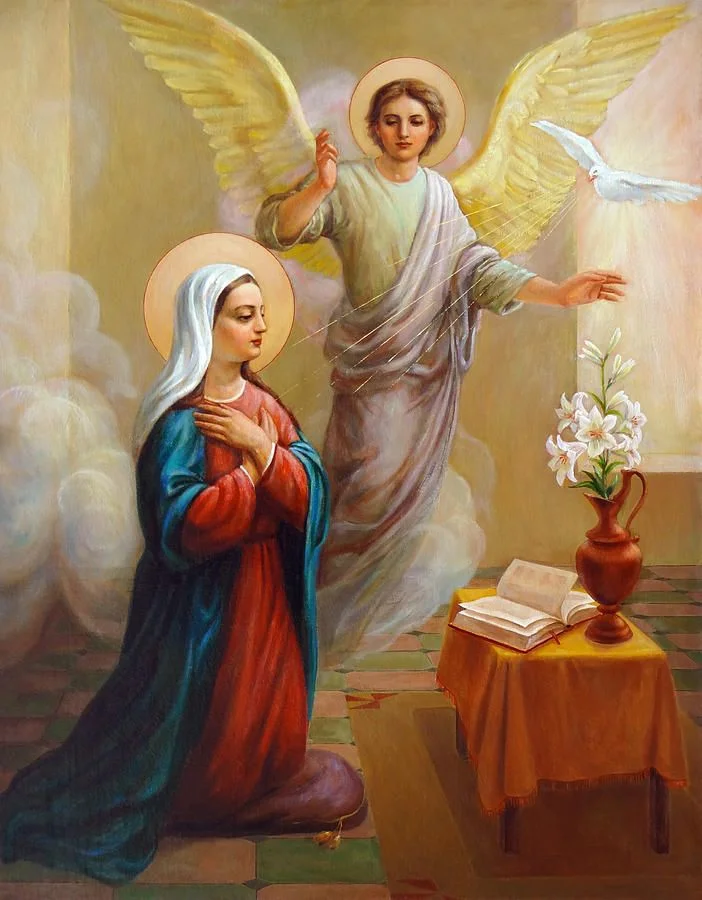
2οΈβ£ Surrendering to God's Will π Mary's fiat exemplifies her complete surrender to God's will. When the angel Gabriel appeared to her, announcing that she would bear a child, Mary's response was, "Behold, I am the handmaid of the Lord; let it be to me according to your word" (Luke 1:38). This profound act of surrender teaches us the importance of aligning our will with God's and trusting in His plan, even when it may be difficult or unknown to us.
3οΈβ£ Obedience in Action π Mary's obedience to God's will was unwavering. She willingly accepted the challenges and uncertainties that lay ahead, knowing that God was guiding her every step of the way. Her obedience allowed her to fulfill her role as the Mother of God and participate in the salvation of humanity. Just as Mary embraced obedience, we too are called to faithfully follow God's commandments and live in accordance with His teachings.
4οΈβ£ Biblical Examples βοΈ Throughout the Bible, we can find numerous examples of Mary's surrender and obedience. One such example can be seen at the Wedding at Cana (John 2:1-11). When the wine ran out, Mary turned to Jesus and said, "They have no wine." Even though Jesus initially responded, "Woman, what does this have to do with me?" Mary remained steadfast in her faith and obedience, telling the servants, "Do whatever he tells you." By trusting in Jesus and following His instructions, Mary played a pivotal role in the first public miracle performed by Jesus.
5οΈβ£ The Catechism's Wisdom π The Catechism of the Catholic Church beautifully articulates Mary's fiat and its significance: "By her complete adherence to the Father's will, to his Son's redemptive work, and to every prompting of the Holy Spirit, the Virgin Mary is the Church's model of faith and charity" (CCC 967). Mary's surrender and obedience serve as an inspiration for all believers, reminding us to align our lives with God's will and to trust in His guidance.
6οΈβ£ Saints and Mary's Fiat πΌ Throughout the history of the Catholic Church, many saints have looked to Mary as a model of surrender and obedience. Saint Therese of Lisieux, for example, had a deep devotion to the Blessed Virgin Mary and often prayed to her for guidance in her own spiritual journey. Saint Maximilian Kolbe also found inspiration in Mary's fiat, choosing to surrender his life in the place of a fellow prisoner in Auschwitz. These saints and many others have recognized the powerful example set by Mary and sought to emulate her virtues in their own lives.
7οΈβ£ Finding Strength in Surrender πͺ Surrendering to God's will does not mean giving up or losing control. On the contrary, it is an act of trust and a recognition that God's plan is far greater than our own. When we surrender to God, we find strength in knowing that He is in control and that He will guide us through any challenges we may face.
8οΈβ£ Embracing Obedience as Love β€οΈ Obedience is often seen as a restrictive concept, limiting our freedom and desires. However, Mary's obedience shows us that true obedience is an act of love. By following God's commandments and living according to His teachings, we show our love and gratitude for all that He has done for us. Obedience is not a burden, but rather a path to true freedom and fulfillment in our lives.
9οΈβ£ Mary, Our Loving Mother π©βπ§βπ¦ As Catholics, we have a special devotion to the Blessed Virgin Mary. She is not only the Mother of God but also our loving mother who intercedes for us and guides us along our spiritual journey. Just as a loving mother looks after her children, Mary watches over us and offers us her support and prayers. We can turn to her in times of need, seeking her intercession and following her example of surrender and obedience.
π€ Conclusion π€ Mary's fiat serves as a model of surrender and obedience for all believers. Her humility, surrender, and obedience are virtues that we can strive to emulate in our own lives. By trusting in God's plan, aligning our will with His, and obediently following His commandments, we can grow in faith and deepen our relationship with Him. Let us reflect on Mary's example and ask ourselves, are we willing to say "yes" to God's will in our own lives? π
What are your thoughts on Mary's surrender and obedience? How can you apply these virtues in your own life? Share your reflections and experiences below.
Updated at: 2025-06-21 00:59:45 (9 months ago by Melkisedeck Leon Shine)
This article explores the theological concept of Mary as Mediatrix, examining her role within the Christian faith, particularly within Catholic theology. We will define key terms, analyze biblical and theological foundations, and explore the implications of this doctrine for personal spiritual growth. Key concepts include mediation (the act of intervening or interceding on behalf of others), intercession (prayer on behalf of another), and grace (God's unmerited favor and divine assistance). We will also touch upon relevant theological frameworks such as the Marian doctrines within Catholicism.
The foundational basis for understanding Mary's role as Mediatrix lies in her divine motherhood. Luke 1:43, where Elizabeth calls Mary "the mother of my Lord," establishes Mary's unique position in the history of salvation. This title, "Mother of God" (Theotokos), emphasizes her role in the Incarnation β God becoming man in Jesus Christ. This divine motherhood is not merely a biological fact, but a theological reality that underscores Mary's intimate relationship with Christ and her participation in the redemptive work of God. Applying the Trinitarian model of God here, this highlights the co-operation of the Divine and human in the redemptive work.
Catholic theology affirms Mary's role as Mediatrix, clarifying that her mediation doesn't supersede or diminish Christ's unique mediation. Instead, it complements and enhances it. As the Catechism of the Catholic Church states, Mary's mediation flows from her motherhood and her complete union with God's will. This mediation is understood not as a substitution for Christ's role, but as a participation in his grace. The concept of *subsidiarity* can be applied here, where God primarily acts, but uses secondary means (in this case Mary's role) to achieve his goal of salvation. Applying the ecclesiological models of the church as both a maternal and mystical body of Christ, Mary is understood as co-operating in her maternal role with the mediatorial role of Christ.
The wedding at Cana (John 2:1-12) provides a powerful example of Mary's intercession. Her request to Jesus to address the lack of wine illustrates her awareness of human needs and her confident approach to her Son. This episode demonstrates Mary's active role in God's plan, not merely as a passive observer, but as a participant who collaborates in bringing about God's grace. Theological analysis of this event, and other instances in scripture and tradition, shows that Mary's intercession is not based on her inherent power, but on her intimate relationship with Jesus and her unwavering faith. Her role demonstrates *vicarious participation*, where she participates in the effects of Christ's mediation.
Devotional practices, such as the Rosary, further highlight Mary's role as Mediatrix. The Rosary's repetitive prayers, especially the "Hail Mary," invoke Mary's intercession, seeking her help in bringing our petitions to Christ. This practice is based on the theological understanding of the communion of saints, implying a collaborative network of intercession, where Mary's role is particularly emphasized due to her unique relationship with Christ.
The doctrine of the Assumption of Mary, affirming her bodily ascension into heaven, underscores her unique relationship with Christ and her role in the eschatological reality of the Church's ultimate destiny. The doctrine of perpetual virginity, asserting that Mary remained a virgin before, during, and after the birth of Jesus, emphasizes the purity and holiness with which she cooperated in the Incarnation. Both doctrines serve to highlight her unique place in the history of salvation and her ongoing role as a model of faith and obedience. These doctrines are also illustrative of the concept of the *Immaculate Conception*, which emphasizes her sinless nature from the moment of her conception.
Mary's "Fiat," her "yes" to God's will (Luke 1:38), exemplifies the pinnacle of faith and obedience. Her complete surrender to God's plan serves as a powerful model for all Christians. Her life embodies the virtues of humility, trust, and unwavering faith, showing us the importance of surrendering to God's plan amidst life's challenges. Analyzing Maryβs response using the lens of *virtue ethics* provides a framework for Christian life.
The concept of Mary as Mediatrix, while a source of ongoing theological discussion, presents a rich tapestry of theological insights that emphasize the collaboration between Mary, the Church, and Christ within the work of salvation. Understanding Mary's role as Mediatrix can profoundly impact personal spiritual lives by fostering a deeper devotion to Christ and a more mature understanding of God's grace. Further research might explore the comparative theological perspectives on Mary's role across various Christian denominations, enriching the discussion. This would also include a critical evaluation of potential misinterpretations and excesses surrounding Marian devotion. The impact of emphasizing Mary's role should be carefully considered, ensuring that it always points toward Christ as the ultimate mediator and source of grace.
Reader Pool: How does the concept of Mary's mediation, as presented in this article, impact your understanding of the relationship between Mary, Christ, and the believer?
Updated at: 2023-08-05 13:19:55 (2 years ago by Melkisedeck Leon Shine)
The Miraculous Stories of Marian Apparitions: A Divine Connection π
The Virgin Mary, revered as the Mother of God, has been a figure of immense importance and devotion in the Christian faith. π
Throughout history, numerous accounts of Marian apparitions have captivated the hearts and souls of believers, serving as a testament to the miraculous presence of the Blessed Mother. πΉ
One notable example of a Marian apparition can be found in the biblical story of the Annunciation, where the angel Gabriel appeared to Mary and proclaimed that she would conceive and give birth to Jesus. This divine encounter showcases the special relationship Mary had with God. ποΈ
In Luke 1:28, the angel Gabriel greets Mary with the words, "Hail, full of grace, the Lord is with you." This Scripture passage highlights Mary's unique role as the chosen vessel for the Incarnation. π
The Catechism of the Catholic Church teaches that Mary's perpetual virginity is a sign of her total dedication to God and her complete submission to His will. This profound commitment sets her apart as a shining example of faith and purity. πΉ
Over the centuries, Marian apparitions have occurred in various parts of the world, spreading messages of love, peace, and hope. One such instance took place in 1531 in Mexico, when the Virgin Mary appeared to a humble Indigenous man named Juan Diego. She left an image of herself imprinted on his cloak, which is now known as Our Lady of Guadalupe. π²π½
The story of Our Lady of Guadalupe is a powerful reminder of the maternal love and intercession of the Blessed Mother. Her message of unity and compassion continues to touch the hearts of millions around the globe. π
Another notable Marian apparition occurred in 1858 in Lourdes, France. The Virgin Mary appeared to a young girl named Bernadette Soubirous and instructed her to dig a spring, which subsequently became known for its miraculous healing properties. This site has since become a place of pilgrimage for believers seeking spiritual and physical renewal. π§
The messages conveyed during Marian apparitions often emphasize the importance of prayer, repentance, and conversion. These celestial encounters serve as a call to deepen our relationship with God and to live our lives in accordance with His teachings. π
The devotion to the Blessed Mother is deeply ingrained in Catholic spirituality. Saints such as Saint Louis de Montfort and Saint Maximilian Kolbe have written extensively about the significance of Marian devotion, encouraging believers to entrust themselves entirely to Mary's maternal care. πΉ
The Catechism of the Catholic Church states, "Mary's role in the Church is inseparable from her union with Christ and flows directly from it" (CCC 964). This teaching affirms the unique role Mary plays as the Queen of Heaven and a powerful intercessor on behalf of humanity. π
The stories of Marian apparitions remind us of the profound love that Mary, as the Mother of God, has for each one of us. Just as she cared for Jesus during His earthly life, she continues to watch over and guide us with her motherly tenderness. π
One of the most important aspects of the Marian apparitions is the reminder of the power of prayer. Mary often urges us to pray the rosary, a powerful spiritual weapon that brings us closer to God and helps us meditate on the life of Jesus. πΏ
The apparitions of the Blessed Mother serve as a beacon of hope in a world often overshadowed by darkness and uncertainty. Through her loving presence, Mary reminds us that we are not alone and that she is always ready to intercede for us before the throne of God. πΉ
What are your thoughts on the miraculous stories of Marian apparitions? Do you believe in the power of Mary's intercession and her role in guiding and protecting us? Share your opinion and experiences below! ππ
Updated at: 2025-06-19 15:28:39 (9 months ago by Melkisedeck Leon Shine)
This article explores the Miraculous Medal, a sacramental deeply rooted in Roman Catholic tradition, examining its origins, symbolism, theological underpinnings, and reported miraculous associations. Key concepts include Marian devotion, sacramental theology, and the concept of intercession within the framework of Catholic belief.
The Apparition and the Medal's Design: A Case Study in Divine Revelation
The Miraculous Medal's genesis lies in a series of apparitions of the Blessed Virgin Mary to Saint Catherine LabourΓ©, a Daughter of Charity, in 1830. This event, interpreted within the framework of mystical experiences and divine revelation, led to the creation of the medal. The design itself, as revealed to Saint Catherine, is rich in symbolism. The image of the Virgin Mary, depicted as the Immaculate Conception, represents her role as the Theotokos (God-bearer) and her purity. The inscription, "O Mary, conceived without sin, pray for us who have recourse to thee," directly invokes her intercessory role, highlighting a core tenet of Catholic Marian theology. This event can be analyzed through the lens of religious experience studies, exploring the psychological and spiritual aspects of such encounters and their impact on individuals and communities. The design's deliberate symbolism, intended to convey specific theological messages, aligns with the principles of iconography and sacred art, aiming to convey spiritual truths visually.
Theological Framework: Intercession and Marian Devotion
Catholic theology emphasizes the role of Mary as intercessor. This concept, rooted in scripture and tradition, positions Mary as a powerful advocate before God on behalf of humanity. The Catechism of the Catholic Church clarifies that Mary's intercession does not supersede Christ's unique mediatorship but rather complements and strengthens it. This understanding aligns with the principle of collaborative action, where multiple agents work together to achieve a common goal. Mary's intercession is viewed as a reflection of her maternal role, extending her compassion and care to those who seek her help. This is supported by numerous biblical references, such as the wedding at Cana, where Mary's intercession leads to Jesus' first miracle. This event, interpreted through the lens of biblical hermeneutics, highlights Mary's powerful influence in bringing human needs before God. The subsequent creation and dissemination of the Miraculous Medal can be seen as an applied example of this theological understanding, providing a tangible focus for devotion and prayer.
Miraculous Attributions and Testimonies: A Sociological Perspective
Numerous accounts of miraculous healings, conversions, and spiritual protections are associated with the Miraculous Medal. While these testimonies cannot be scientifically proven, their prevalence and enduring impact warrant sociological investigation. The study of these accounts could illuminate the role of faith, placebo effects, and collective belief in shaping individual experiences and community identity. Analysis of these testimonials from a historical perspective helps to understand the cultural and social context in which these events were interpreted and reported. These accounts, while often considered anecdotal, serve as potent illustrations of the medal's spiritual significance for believers.
Historical Context: Saints and the Miraculous Medal
The Miraculous Medal's significance is further amplified by its association with various prominent saints, including Saint Maximilian Kolbe, Saint John Paul II, and Saint Bernadette Soubirous. Their lives and experiences, viewed through the lens of hagiography (the study of saints' lives), offer further evidence of the enduring spiritual power attributed to the medal and Marian devotion. Their personal testimonies and endorsements highlight the transhistorical and transcultural appeal of the medal and the consistent faith placed in its symbolic power. Examining these individual case studies provides a richer understanding of the spread and acceptance of the medal within the Catholic Church and its impact on individual faith journeys.
A Notable Case Study: The Conversion of Alphonse Ratisbonne
The conversion of Alphonse Ratisbonne, a renowned skeptic, stands out as a significant example linked to the Miraculous Medal. His dramatic conversion, triggered by a vision of the Virgin Mary after receiving the medal, demonstrates the profound impact attributed to Marian intercession. This case study provides a compelling narrative illustrating the persuasive power of religious experience and the transformative potential of faith. Using narrative analysis techniques, the story of Ratisbonne's conversion can offer insights into the mechanisms of faith conversion and its impact on individuals' worldviews.
Conclusion and Recommendations
The Miraculous Medal, deeply embedded in Catholic tradition, serves as a potent symbol of Marian devotion and the power of intercession. Its enduring popularity suggests a deep-seated human need for spiritual solace and divine assistance. Further research could explore the psychological and sociological aspects of Marian devotion, focusing on its role in shaping individual spirituality and community cohesion. Comparative studies across different religious traditions could also illuminate the universality of intercessory prayer and the human tendency to seek divine intervention through symbolic objects and practices. The ongoing impact of the Miraculous Medal warrants continued academic exploration to better understand its significance within the broader context of religious belief and practice.
Reader Pool: Considering the theological interpretations and sociological observations presented, how might a multidisciplinary approach enhance our understanding of the reported miracles and enduring significance of the Miraculous Medal?
Updated at: 2023-08-05 13:19:51 (2 years ago by Melkisedeck Leon Shine)
πΉ The Rosary: Unlocking the Mysteries of Christ with Mary πΉ
Introduction: The Rosary is a powerful prayer that allows us to delve deep into the mysteries of Christ's life, death, and resurrection, all while seeking the intercession and guidance of the Blessed Virgin Mary. πΏβ¨
The Power of the Rosary: Through the repetition of Hail Marys and the meditation on the mysteries, the Rosary becomes a spiritual journey where we can encounter the presence of Christ and experience the loving embrace of His mother, Mary. ππ
Mary's Role in our Spiritual Lives: As Catholics, we believe that Mary holds a special place in the divine plan of salvation. Just as she played a pivotal role in the Incarnation, Mary continues to lead us closer to her Son, Jesus. πΉποΈ
The Joyful Mysteries: The first set of mysteries invites us to reflect on the joyful moments in the life of Christ and His mother. We meditate on the Annunciation, the Visitation, the Nativity, the Presentation, and the Finding of Jesus in the Temple. These mysteries remind us of God's infinite love and the joy found in surrendering our lives to Him. ππΌ
The Sorrowful Mysteries: In the second set of mysteries, we contemplate the painful moments leading up to Jesus' crucifixion. Through the Agony in the Garden, the Scourging at the Pillar, the Crowning with Thorns, the Carrying of the Cross, and the Crucifixion, we are reminded of Christ's sacrifice for our salvation. Mary's presence during these moments offers solace and strength. ππ
The Glorious Mysteries: The third set of mysteries brings us to the triumphant resurrection of Jesus and the glorious moments that followed. Meditating on the Resurrection, the Ascension, the Descent of the Holy Spirit, the Assumption of Mary, and the Coronation of Mary, we find hope in the promise of eternal life and the intercessory role of Mary as Queen of Heaven. β¨π
The Luminous Mysteries: Introduced by Saint John Paul II, the Luminous Mysteries shed light on the public ministry of Jesus. They invite us to reflect on His Baptism in the Jordan, the Wedding at Cana, the Proclamation of the Kingdom, the Transfiguration, and the Institution of the Eucharist. These mysteries deepen our understanding of Christ's mission and His presence in the sacraments. π¦π·
The Power of Mary's Intercession: Mary is not only our spiritual mother but also a powerful intercessor before God. Just as she interceded at the Wedding at Cana, she continues to listen to our prayers and present them to her Son. Through the Rosary, we can seek her assistance in our spiritual journey, knowing that she desires nothing more than to lead us closer to Christ. πΉπ
Biblical Examples of Mary's Importance: In Luke 1:28, the angel Gabriel greets Mary with the words, "Hail, full of grace, the Lord is with you." This shows that Mary was chosen by God for a special role in salvation history. Jesus also honored her at the wedding in Cana, where He performed His first miracle at her request (John 2:1-11). These examples affirm Mary's significant role in our faith. ππ
The Catechism and Mary's Perpetual Virginity: The Catechism of the Catholic Church teaches that Mary remained a virgin before, during, and after the birth of Jesus (CCC 499-507). This belief reflects the reverence and honor we hold for Mary as the Mother of God and her lifelong commitment to purity and fidelity. πΉπ
The Witness of Catholic Saints: Throughout history, many Catholic saints have expressed a deep love and devotion to Mary. Saint Louis de Montfort, for example, wrote extensively about the power and importance of the Rosary in his book "The Secret of the Rosary." Saint Teresa of Calcutta, also known as Mother Teresa, once said, "The Rosary is a powerful weapon to put the devil to flight." These saints recognized the spiritual significance of the Rosary and Mary's intercession. πΏβοΈ
The Importance of Praying the Rosary: Praying the Rosary helps us to enter into a deeper relationship with Christ and to meditate on the mysteries of His life. It allows us to seek Mary's guidance and intercession, knowing that she is a loving and compassionate mother. The Rosary brings us closer to the heart of Jesus and helps us to unlock the mysteries of our faith. πΉπ
The Transformative Power of the Rosary: By regularly praying the Rosary, we open ourselves to the transforming power of God's grace. Mary, our gentle guide, leads us on a spiritual journey where we can discover a deeper understanding of Jesus' life, death, and resurrection. Through this prayer, we become more attentive to God's presence in our lives and are inspired to live out our faith with joy and love. πβ¨
Conclusion: The Rosary is a beautiful and profound prayer that invites us to unlock the mysteries of Christ alongside His mother, Mary. It is a pathway to encounter the love of God and to deepen our relationship with Jesus. Let us embrace this powerful tool of prayer and seek Mary's intercession as we journey closer to Christ. πΉπ
Do you find solace in the Rosary? Share your thoughts and experiences in the comments below! πΏπ
Updated at: 2023-08-05 13:19:15 (2 years ago by Melkisedeck Leon Shine)
Mary: Our Advocate and Protector
πΉπ The role of Mary in the Catholic faith is one that holds great significance and importance. As the Mother of God, she is not only a revered figure but also an advocate and protector for all believers. Let us delve into the reasons why Mary is such a beloved and cherished figure in our spiritual journey.
1οΈβ£ Mary's unique role as the Mother of God sets her apart from any other woman in history. As stated in Luke 1:43, Elizabeth proclaims, "And why has this happened to me, that the mother of my Lord comes to me?" Mary is not just the mother of Jesus, but the mother of our Lord and Savior.
2οΈβ£ Throughout the Bible, we see Mary's unwavering faith and obedience to God's will. When the angel Gabriel appeared to her and announced that she would conceive and bear a son, she humbly accepted, saying, "Behold, I am the handmaid of the Lord; let it be to me according to your word" (Luke 1:38). Mary's submission to God's plan serves as an example for us to trust in His divine guidance.
3οΈβ£ Mary's intercession on behalf of humanity is a testament to her role as our advocate. Just as she interceded at the wedding at Cana, saying to Jesus, "They have no wine" (John 2:3), she continues to intercede for us in heaven, presenting our needs to her Son.
4οΈβ£ The Catechism of the Catholic Church reveals Mary's intercessory role, stating that "The Virgin Mary is the Church's model of faith and charity." Her prayers are not only heard by God but are also powerful in obtaining graces for us.
5οΈβ£ One of the most well-known prayers in Catholicism, the Hail Mary, exemplifies our devotion to Mary. In this prayer, we honor her as the "Mother of God" and ask for her intercession, saying, "Pray for us sinners, now and at the hour of our death."
6οΈβ£ The saints of the Catholic Church also recognized the importance of Mary in our spiritual journey. St. Louis de Montfort wrote, "Mary is the safest, easiest, shortest and most perfect way of approaching Jesus." By seeking her guidance and protection, we draw closer to Christ.
7οΈβ£ Mary's role as our protector is evident in her title as the "Queen of Heaven." Just as a queen protects and cares for her subjects, Mary watches over us, ensuring our spiritual well-being.
8οΈβ£ The devotion to the Immaculate Heart of Mary reminds us of her deep love for humanity. In this devotion, we offer our prayers and acts of reparation to console her heart, wounded by the sins of humanity.
9οΈβ£ The significance of Mary's perpetual virginity is often misunderstood. The Catholic Church teaches that Mary remained a virgin before, during, and after the birth of Jesus. This emphasizes her complete dedication to God and her unique role as the Mother of God.
π The love and respect for Mary extend beyond the Catholic Church. In the Orthodox tradition, Mary is venerated as the Theotokos, meaning "God-bearer." This title emphasizes her role in giving birth to Jesus, who is fully God and fully human.
1οΈβ£1οΈβ£ Mary's role as our advocate does not diminish the importance of Jesus as our sole mediator. Rather, Mary leads us to Jesus and helps us deepen our relationship with Him. As St. Maximilian Kolbe once said, "Never be afraid of loving the Blessed Virgin Mary too much. You can never love her more than Jesus did."
1οΈβ£2οΈβ£ The devotion to Mary is not an obstacle but a means to grow closer to Christ. By seeking her guidance and protection, we acknowledge our need for the intercession of the saints and the communion of saints.
1οΈβ£3οΈβ£ Through Mary's immaculate heart, we are reminded of the purity and holiness that we should strive for in our own lives. Her example challenges us to embrace virtue and reject sin.
1οΈβ£4οΈβ£ The Visitation, when Mary visited her cousin Elizabeth, is a beautiful example of Mary's role as our advocate. As Elizabeth exclaimed, "Blessed are you among women, and blessed is the fruit of your womb!" (Luke 1:42), we too are blessed by Mary's intercession.
1οΈβ£5οΈβ£ In conclusion, Mary holds a special place in our faith as our advocate and protector. Her unwavering faith, obedience to God's will, and intercessory role make her a beloved figure in our spiritual journey. Embracing her as our mother and seeking her guidance leads us closer to Jesus and deepens our relationship with Him.
What are your thoughts on Mary's role as our advocate and protector? How has her intercession impacted your spiritual life?
Updated at: 2025-06-05 11:00:28 (10 months ago by Melkisedeck Leon Shine)
```htmlIntroduction: This discourse examines the multifaceted role of Mary, the Theotokos (God-bearer), within the Holy Family, focusing on her significance as both mother and exemplary figure for Christian discipleship. We will analyze her role through established theological frameworks, including the concept of divine motherhood, Marian piety, and the application of virtue ethics. Key concepts such as *divine motherhood*, *perpetual virginity*, *intercession*, and *Marian devotion* will be defined and applied to illuminate Mary's influence on Christian faith and practice.
Mary's Divine Motherhood and the Incarnation: The Annunciation narrative (Luke 1:26-38) marks a pivotal moment in salvation history. Gabriel's announcement of Mary's conception of Jesus, the Son of God, establishes her unique role as Theotokos. This title underscores not merely biological motherhood but a profound participation in the divine economy of salvation. The incarnation, the pivotal event of Christian theology, is intrinsically linked to Mary's acceptance of God's will, illustrating her complete surrender and profound faith. This event highlights the synergistic relationship between divine grace and human free will, a central theme in theological anthropology.
Perpetual Virginity and the Uniqueness of Mary's Motherhood: The doctrine of Mary's perpetual virginity, while debated throughout history, holds theological significance. Matthew 1:25 emphasizes Joseph's abstention from intimacy with Mary until after the birth of Jesus. This reinforces the unique nature of Jesus' conception and birth, highlighting his divine origin and Mary's role as a vessel of God's grace, devoid of any earthly conception. This unique role positions her as an exceptional figure in Christian theology, challenging common understandings of human procreation and divine intervention.
Mary's Exemplary Faith and Obedience: Mary's *fiat* ("let it be," Luke 1:38) encapsulates her unwavering faith and complete submission to God's will. This embodies the virtue of obedience, a cornerstone of Christian ethics. Her response demonstrates the ideal of Christian discipleship: a life characterized by trust, humility, and unyielding devotion to God's plan, even in the face of the unknown. This can be analyzed using virtue ethics frameworks, highlighting Mary's embodiment of theological virtues such as faith, hope, and charity.
Mary's Intercessory Role and the Communion of Saints: Mary's intercession, as evidenced in the Wedding at Cana (John 2:1-11), establishes her role as a powerful advocate for humanity before God. This concept aligns with the doctrine of the Communion of Saints, which posits an ongoing communion between believers on earth, in purgatory, and in heaven. Mary's intercession is not understood as bypassing Christ's mediation but rather as a powerful demonstration of the interconnectedness of the faithful and their access to divine grace through Christ, facilitated by Mary's unique position.
Mary's Compassion and Motherly Love: Mary's compassion, evident in her unwavering support of Jesus throughout his life and ministry, especially during his suffering, serves as a powerful example of unconditional love. Her enduring presence at the foot of the cross (John 19:25-27) illustrates not just maternal sorrow but a profound identification with her Son's redemptive suffering and an acceptance of the implications of His sacrifice for humanity. This can be interpreted using attachment theory, highlighting the enduring bond between mother and son and the profound impact of loss and sacrifice.
Mary's Humility and the Theological Virtue of Humilitas: Mary's Magnificat (Luke 1:46-55) reveals a profound sense of humility despite her elevated status. This emphasizes the virtue of *humilitas*βa recognition of one's dependence on God and a lack of self-aggrandizementβas a fundamental Christian virtue. By understanding this humility within a broader framework of virtue ethics, we can see Mary's life as a model for cultivating spiritual maturity and an appropriate relationship with God and others.
Marian Piety and its Theological Significance: Marian devotion has a long and rich history within Christianity. From early church fathers to contemporary theologians, Mary's role has been a subject of intense reflection and devotion. Understanding this devotion requires analyzing its theological underpinnings and differentiating it from problematic forms of Mariolatry. A proper understanding of Marian devotion emphasizes her role as a model of faith, not as an object of worship but a powerful intercessor leading us towards Christ. This devotional aspect can be studied through historical and sociological approaches to religion, exploring the cultural and social influences that shape Marian piety.
Conclusion and Recommendations: Mary's role within the Holy Family is profoundly multifaceted and richly significant for Christian faith and practice. Her exemplary life, characterized by unwavering faith, unconditional love, and profound humility, provides a potent model of Christian discipleship. Further research could explore the cross-cultural variations in Marian piety, examine the evolving theological interpretations of Mary's role, and analyze the psychological and spiritual benefits of Marian devotion. Understanding Mary's role through these various lenses illuminates the depth of her significance within the Christian narrative and provides valuable insights for spiritual growth and discipleship. Careful consideration should always be given to the correct theological context to avoid misunderstandings or misrepresentations of her role. By focusing on her role as a model of faith and obedience, we can derive profound spiritual lessons, strengthening our commitment to God and to others.
Reader Pool: How might a deeper understanding of Mary's role within the Holy Family contribute to a more robust understanding of Christian discipleship and spiritual formation?
```
Updated at: 2025-06-19 15:28:54 (9 months ago by Melkisedeck Leon Shine)
Mary as the New Eve: Restoring Humanity's Relationship with God
Introduction: This essay examines the pivotal role of Mary, the Mother of God, in Catholic theology, specifically her function as the "New Eve" in restoring humanity's fractured relationship with the divine. Key concepts, including the theological framework of the "New Eve" paradigm, the doctrine of the Immaculate Conception, and the Marian dogmas, will be explored. We will analyze how these concepts interact within a broader understanding of salvation history, applying relevant theological models and principles to illustrate their practical significance in the lives of believers. The essay will consider Mary's role not merely as a historical figure but as a living presence in the spiritual journey of humanity. This analysis employs a hermeneutical approach, examining scriptural accounts, liturgical practices, and theological traditions to unveil the multifaceted nature of Mary's significance.
The Immaculate Conception and Original Sin: The doctrine of the Immaculate Conception posits that Mary was conceived without original sin. This theological concept, distinct from the conception of Jesus, is crucial. It establishes Mary as a uniquely pure vessel, untouched by the inherited human condition of sin that separated humanity from God. This purity, understood within the framework of Augustinian theology on original sin, enabled her to become the Theotokos, the God-bearer. Applying this concept, we see Mary not merely as free from sin, but as representing a counterpoint to Eve's disobedience, highlighting the possibility of perfect obedience to God's will.
Mary's Fiat: A Paradigm of Obedience: Mary's "fiat," her affirmative response to the angel Gabriel's announcement (Luke 1:38), stands in stark contrast to Eve's disobedience in the Garden of Eden. This act of complete surrender to God's plan, interpreted through the lens of covenantal theology, is considered a pivotal moment in salvation history. Her willing acceptance embodies perfect obedience, directly addressing the consequences of Adam and Eve's transgression. This perfect obedience becomes a model for believers, demonstrating how complete trust and submission to divine will can counteract the effects of human disobedience.
The Annunciation: A Counterpoint to the Fall: The Annunciation, the event where the angel Gabriel announces Mary's role in the Incarnation, can be understood as a parallel, yet contrasting event to the Fall in Genesis. While Eve's disobedience resulted in humanity's separation from God, Mary's obedience initiated the process of reconciliation. This narrative reversal, analyzed using a typological approach, showcases Mary's role as the "New Eve," reversing the consequences of the original sin and restoring the broken covenant between God and humanity.
Mary as the New Ark of the Covenant: Similar to the Ark of the Covenant in the Old Testament, which housed God's presence amongst his people, Mary carries within her the Word made flesh, Jesus Christ. This allegorical interpretation highlights Mary's unique role as the vessel of God's grace. She becomes the sacred repository of divine presence, reflecting the concept of the divine immanenceβGod's presence within the worldβand serves as a focal point for divine grace flowing into humanity.
The Visitation and the Spreading of Grace: The Visitation, Mary's visit to Elizabeth, exemplifies Mary's role as the bearer of grace and sanctifier of souls. Elizabeth's recognition of Mary's blessedness (Luke 1:42) underscores the transformative power of Mary's acceptance of God's will. This event can be interpreted through the lens of the sacramental theology, suggesting Mary as a conduit of divine grace, anticipating the sacramental life of the Church.
Mary's Intercession and Maternal Care: Mary's intercession, her advocacy on behalf of humanity before her Son, reflects her maternal love and concern. The Wedding at Cana (John 2:1-11) serves as a prime example of this intercession, where Mary's request leads to Jesus's first miracle. This concept aligns with the theological understanding of Mary's role as mediator, not in the sense of replacing Christ's unique mediatorship, but in a secondary sense of interceding for humanity, acting as a powerful advocate before God.
Mary as Mother of the Church and Humanity: Jesus' entrusting of Mary to John at the crucifixion (John 19:27) establishes her as the Mother of the Church and, symbolically, the mother of all believers. This maternal role extends beyond mere biological relationship, encapsulating spiritual guidance, protection, and intercessory power. This can be viewed through a relational theology perspective, highlighting the profound connection between Mary, Jesus, and humanity.
Mary, Queen of Heaven and Earth: Her Exalted Role: The title "Queen of Heaven and Earth" signifies Mary's exalted position within the theological framework of the Catholic Church, reflecting her union with Christ and participation in his divine reign. This title, analyzed from a christological perspective, highlights Mary's integral role within God's plan of salvation. It emphasizes her ongoing authority and influence in the spiritual realm.
The Assumption and the Promise of Eternal Life: The dogma of the Assumption celebrates Mary's bodily assumption into Heaven, a testament to her unique relationship with God. This event signifies the hope of resurrection and eternal life for believers, providing a powerful example of the ultimate reward promised to those who follow Christ. The Assumption, understood in eschatological terms, offers a powerful vision of the future, a hope that transcends earthly limitations.
The Rosary and Marian Devotion: The Rosary, a form of Marian devotion, facilitates a deeper connection with God through Mary's intercession. The meditative practice engages the believer in the mysteries of Christ's life, fostering a deeper understanding of Mary's role and strengthening the relationship with both Mary and God. This devotional practice, analyzed through the lens of spiritual formation, underscores the transformative potential of Marian devotion in nurturing one's faith.
The Catechism of the Catholic Church: Authoritative Affirmation: The Catechism of the Catholic Church explicitly affirms Mary's unique and central role in salvation history. Its teaching establishes a doctrinal foundation for the understanding of her significance within the context of the larger narrative of salvation. The Catechism serves as a touchstone for Catholic theology concerning Mary's position and emphasizes the importance of its consistent teaching.
Saints' Testimonies: A Chorus of Witness: The consistent testimony of numerous saints throughout history regarding Mary's role reinforces the theological understanding of her importance. Their expressions of devotion corroborate the deep-seated beliefs of the Church, demonstrating the enduring influence of Mary's example on the lives of believers. These testimonies highlight the lived experience of faith as evidence for the theological claims.
Personal Connection and Contemporary Significance: Mary's role is not confined to historical events; her maternal love, guidance, and intercession remain profoundly relevant to contemporary believers. By embracing Mary's example, individuals can foster a deeper relationship with God, accessing divine grace and guidance in their lives. The practicality of this theological framework lies in its offer of solace, hope, and spiritual support, providing a tangible application in the daily lives of believers.
Conclusions and Recommendations: This essay demonstrates that Mary's role as the "New Eve" is a central tenet of Catholic theology, offering a powerful narrative of redemption and reconciliation. Her obedience, purity, and intercession provide a compelling example for believers. Understanding Mary's role necessitates a careful examination of scripture, theological tradition, and lived experience. Further research should investigate the cross-cultural expressions of Marian devotion and their implications for ecumenical dialogue. The enduring significance of Maryβs role calls for continued reflection on her multifaceted dimensions, emphasizing her ongoing relevance in the spiritual lives of individuals and the Church.
Reader Pool: What are the potential implications of reinterpreting Mary's role within contemporary interfaith dialogue, considering her diverse portrayals in different religious traditions?