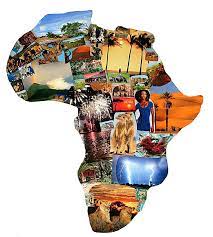
Building African Leaders: Nurturing a Growth Mindset
Updated at: 2023-08-11 15:56:46 (2 years ago by Melkisedeck Leon Shine)
Building African Leaders: Nurturing a Growth Mindset
As Africans, we have a rich history and a promising future. Our continent is home to diverse cultures, vibrant economies, and resilient communities. However, for us to truly reach our full potential, we must work towards changing our mentality and building a positive mindset. In this article, we will explore strategies that can help us achieve this goal, inspire unity, and pave the way for a brighter future.
Embrace a growth mindset π±: Believe that intelligence and abilities can be developed through dedication and hard work. Remember, our potential is limitless.
Challenge limiting beliefs π§ : Identify and question the negative beliefs that hold us back. Replace them with empowering thoughts that propel us towards success.
Cultivate a love for learning π: Education is key to personal and collective growth. Let us value knowledge and continuously seek opportunities to expand our understanding of the world.
Surround yourself with positive influences π: Choose your friends and mentors wisely. Surround yourself with individuals who uplift and inspire you to be your best self.
Embrace failure as a stepping stone to success π: Failure is not the end, but rather an opportunity to learn and grow. Let us not be discouraged by setbacks, but use them as motivation to try again.
Take responsibility for your own destiny π: We cannot rely on others to solve our problems. Let us take ownership of our future and work together to build the Africa we envision.
Foster a spirit of entrepreneurship πΌ: Encourage innovation and creativity. Support local businesses and startups that contribute to the growth of our economies.
Emphasize collaboration over competition π€: Together, we are stronger. Let us break down barriers and work towards common goals, promoting intra-African trade and cooperation.
Celebrate our diversity π: Africa is a continent of many nations, languages, and cultures. Let us embrace our differences and use them as a source of strength and inspiration.
Draw inspiration from African leaders π£οΈ: Learn from the wisdom of great African leaders like Nelson Mandela, Kwame Nkrumah, and Wangari Maathai. Their stories can motivate us to overcome challenges and strive for greatness.
Share knowledge and experiences π’: Let us engage in meaningful dialogue and exchange ideas. By sharing our knowledge and experiences, we can collectively uplift and empower one another.
Advocate for African unity π: The United States of Africa (Muungano wa Mataifa ya Afrika) is not just a dream, but a possibility. Let us work towards breaking down borders and building a united continent.
Promote economic liberalization π°: Encourage policies that foster economic growth, attract foreign investment, and create job opportunities for our people. By empowering our economies, we empower ourselves.
Strive for political liberalization β: Advocate for transparent, accountable, and inclusive governance. Let us work towards a future where every African voice is heard and valued.
Develop skills for a changing world π: Equip yourself with the necessary skills to thrive in a rapidly evolving global landscape. Embrace technology, entrepreneurship, and critical thinking to shape the Africa of tomorrow.
In conclusion, the journey towards changing our mentality and building a positive mindset starts with each and every one of us. Together, we have the power to transform our continent and create a brighter future for ourselves and future generations. Let us embrace these strategies, inspire unity, and work towards the realization of The United States of Africa (Muungano wa Mataifa ya Afrika). Are you ready to join us on this incredible journey? Share this article and let's empower Africa together. #AfricanLeadership #UnitedAfrica #BuildingMinds
Updated at: 2025-05-17 16:06:44 (1 year ago by Melkisedeck Leon Shine)
Africaβs inherent potential for self-determination necessitates a paradigm shift towards a unified and prosperous continent characterized by inclusivity. This necessitates a fundamental change in mindset to secure a brighter future for present and future generations. This article presents key strategies for fostering a robust and inclusive African identity, thereby paving the way for continental advancement. We will explore these strategies through the lens of several relevant sociological and economic theories, examining their application in real-world African contexts.
1. Harnessing the Power of Diversity: A Social Capital Approach. Africaβs rich tapestry of over 2,000 ethnic groups constitutes a significant source of social capital. Recognizing diversity as an asset, rather than a liability, is crucial. This involves actively countering prejudices and stereotypes that undermine the unique contributions of each group. The social capital theory emphasizes the importance of trust, reciprocity, and social networks in fostering economic and social development. By leveraging the diverse skills and perspectives of its population, Africa can unlock significant economic and social benefits. Strategies include implementing policies that promote inclusivity, such as affirmative action programs and targeted investments in underserved communities, promoting intercultural dialogue and understanding through educational initiatives and community programs and establishing platforms for collaboration and knowledge sharing across different ethnic groups.
2. Deconstructing Limiting Narratives: The Role of Media and Social Construction of Reality. Harmful stereotypes, often perpetuated through media representations and historical narratives, hinder progress. Actively challenging these preconceived notions is vital to redefine the narrative surrounding African identity. This requires critical self-reflection, informed by the social construction of reality perspective, and a commitment to dismantling outdated and inaccurate representations. This involves developing and promoting counter-narratives that highlight the achievements and contributions of Africans, fostering media literacy to help people critically evaluate information, and supporting initiatives that promote diversity and inclusion in media representation. The aim is to shift public perception and create a more accurate and positive image of Africa.
3. Investing in Human Capital: Education, Skills Development, and the Human Capital Theory. A profound understanding of Africa's rich history, diverse cultures, and the accomplishments of its leaders is paramount. Investing in quality education, informed by the human capital theory, is crucial. This investment is not merely about literacy but also about developing critical thinking, problem-solving skills, and entrepreneurship. Access to quality education for all African children is essential for long-term sustainable development. Strategies include increasing funding for education, improving teacher training, developing relevant curricula, and promoting lifelong learning opportunities through online platforms and vocational training programs. Furthermore, prioritizing STEM education can equip future generations with the skills necessary to drive technological innovation and economic growth.
4. Fostering Economic Empowerment: Inclusive Growth and Development Economics. Economic progress is fundamentally linked to a positive mindset. Promoting entrepreneurship, creating economic opportunities, and fostering sustainable development necessitate strategic investments in infrastructure, education, and technology. The principles of inclusive growth and development economics emphasize equitable distribution of resources and opportunities. Specific strategies might involve microfinance initiatives to support small and medium-sized enterprises (SMEs), investment in infrastructure projects to improve connectivity and reduce transaction costs, promoting fair trade practices to ensure equitable benefit sharing, and the implementation of policies to attract foreign direct investment while safeguarding national interests.
5. Strengthening Governance and Institutions: The Role of Good Governance and Institutional Capacity. A fair and transparent political system is crucial for fostering a positive mindset. Demanding accountability and transparency from leaders is paramount for equitable resource distribution. Strong, effective institutions are fundamental for fostering economic development and stability. The concepts of good governance and institutional capacity building are vital here. Strategies include strengthening democratic institutions, promoting the rule of law, combating corruption through transparent procurement processes and independent anti-corruption bodies, promoting citizen participation in governance through robust electoral systems and access to information and enhancing the capacity of public institutions through training and technical assistance.
6. Pan-African Collaboration: Regional Integration and the Theory of Regionalism. Transcending national borders to collaborate for continental betterment is an essential goal. The vision of a "United States of Africa" represents a powerful aspiration. The theory of regionalism highlights the benefits of economic and political integration. Strategies to achieve this include strengthening existing regional organizations, such as the African Union, facilitating cross-border trade and investment through harmonized regulations and infrastructure development, promoting cross-cultural exchange and collaboration through educational and cultural programs, and building consensus around shared objectives through diplomatic initiatives and collaborative projects.
7. Embracing Change and Innovation: Adaptability and the Diffusion of Innovations Theory. Change requires an openness to new ideas and a willingness to adapt. Viewing change as an opportunity for growth is vital. The diffusion of innovations theory is relevant here, emphasizing the importance of effective communication, demonstration, and the adoption of new technologies and practices. Strategies include investing in research and development, fostering a culture of innovation through educational programs and entrepreneurship support, promoting the adoption of new technologies across various sectors, and establishing mechanisms to adapt to changing global circumstances while maintaining cultural relevance.
Conclusion and Recommendations: Building a unified and prosperous Africa requires a multi-faceted approach encompassing social, economic, and political dimensions. The strategies outlined above, grounded in relevant theoretical frameworks, provide a roadmap for achieving this vision. Further research is needed to understand the specific challenges and opportunities in different African contexts and to evaluate the effectiveness of various interventions. The success of these strategies relies on strong leadership, active citizen participation, and sustained commitment from all stakeholders. Collaboration between governments, civil society organizations, the private sector, and international partners is essential for creating a more inclusive and equitable Africa. The aspiration of a βUnited States of Africaβ is not merely a political ideal but an economic necessity, requiring concerted effort and a shared vision of a unified, prosperous continent.
Reader Pool: What specific policy interventions, based on the theoretical frameworks discussed, do you believe would be most effective in fostering inclusive growth and economic empowerment across diverse African contexts?
Updated at: 2025-03-02 17:39:33 (1 year ago by Melkisedeck Leon Shine)
```htmlAfricaβs narrative is one of enduring resilience, a testament to its peopleβs ability to overcome adversity, from the enduring impact of colonialism to persistent economic challenges. To fully unlock the continentβs vast potential and build a truly thriving future, a collective shift towards a positive mindset is not merely desirableβit's essential. This article explores fifteen strategic approaches to cultivating optimism and empowering Africans to surmount obstacles and shape a brighter tomorrow.
1. Celebrating a Rich and Diverse Heritage: Africaβs vibrant tapestry of cultures represents a powerful source of strength and inspiration. By actively celebrating our traditions and values, we foster a sense of unity, shared identity, and collective pride. Nelson Mandelaβs enduring optimismβ"I am fundamentally an optimist...Part of being optimistic is keeping one's head pointed toward the sun, one's feet moving forward"βserves as a potent reminder of this inherent potential.
2. Investing in Education: Quality Education as a Catalyst for Progress: Education is the cornerstone of sustainable development. By providing our youth with access to quality education and equitable opportunities, we empower them to thrive in an increasingly complex and interconnected world. Julius Nyerereβs insightful observationβ"Education is not a way to escape poverty, it is a way of fighting it"βhighlights its transformative power in addressing systemic inequalities.
3. Embracing Innovation and Technological Advancement: To compete effectively on the global stage and drive economic growth, embracing innovation and technological advancements is paramount. By leveraging technology to overcome traditional barriers and create new opportunities, Africa can replicate the success stories of burgeoning tech hubs like Rwanda's rapidly expanding digital sector.
4. Fostering a Thriving Entrepreneurial Ecosystem: Entrepreneurship as an Engine of Growth: Entrepreneurship is a critical driver of economic dynamism and job creation. By actively supporting and nurturing aspiring entrepreneurs, we foster innovation, stimulate economic empowerment, and create a more robust and resilient economy, drawing inspiration from the vibrant entrepreneurial landscapes of Kenyaβs Silicon Savannah and Nigeriaβs dynamic digital economy.
5. Strengthening Pan-African Unity: Collaboration for a Stronger Continent: Collaboration among African nations amplifies our collective strength and enables us to address shared challenges more effectively. By working together, we can tackle pressing issues such as poverty, disease, and conflict with greater efficiency and impact. Kwame Nkrumahβs powerful statementβ"I am not African because I was born in Africa but because Africa was born in me"βunderscores the profound sense of shared identity and purpose that unites us.
6. Advocating for Good Governance and Democratic Principles: The Foundation of Sustainable Progress: Good governance and democratic principles are fundamental to achieving sustainable progress. By advocating for political liberalization and holding leaders accountable, we ensure that the voices of citizens are heard, their rights are protected, and their aspirations are reflected in policy. The progress made by nations such as Ghana and Botswana serves as a powerful example of the positive impact of strong governance.
7. Promoting Economic Liberalization: Unleashing Africa's Economic Potential: Opening markets to trade and investment stimulates economic growth and generates employment opportunities. Economic liberalization attracts foreign investment, fosters competition, and unlocks Africa's vast economic potential, as evidenced by the economic transformations witnessed in Mauritius and Ethiopia.
8. Showcasing African Success Stories: Inspiring Future Generations: Celebrating the achievements of African individuals and organizations counters negative stereotypes and inspires future generations. Recognizing the contributions of exceptional leaders like Ellen Johnson Sirleaf and Aliko Dangote underscores the continent's immense potential and fosters a sense of pride and optimism.
9. Leveraging the Power of Resilience: Overcoming Challenges Through Strength: Africans have consistently demonstrated extraordinary resilience in the face of adversity. By emphasizing this inherent strength, we empower ourselves to overcome any obstacle and build a more resilient and prosperous future. Desmond Tutu's profound wisdomβ"Do your little bit of good where you are; it's those little bits of good put together that overwhelm the world"βreminds us of the collective impact of individual actions.
10. Championing Gender Equality: Empowering Women for Societal Progress: Empowering women is crucial for achieving true societal progress. Promoting gender equality unlocks the full potential of women, fostering a more inclusive, equitable, and prosperous society. Rwanda's advancements in women's empowerment serve as a powerful example of the positive impact of gender equality on national development.
11. Cultivating a Mentorship Culture: Guiding the Next Generation: Mentorship plays a vital role in personal and professional growth. By fostering a culture of mentorship, we ensure the transfer of knowledge, skills, and experience, creating a continuous cycle of success and empowerment. Kofi Annan's insightful reflectionβ"To live is to choose. But to choose well, you must know who you are and what you stand for, where you want to go and why you want to get there"βhighlights the importance of self-awareness, guidance, and mentorship.
12. Prioritizing Environmental Sustainability: Protecting Our Natural Resources: Protecting our natural resources is essential for ensuring a sustainable future for generations to come. By adopting sustainable practices and prioritizing environmental conservation, we safeguard the health of our planet and build a more prosperous and resilient future. Seychelles' leadership in marine conservation serves as an inspiration for other nations.
13. Embracing a Positive Mindset: The Power of Belief: Our mindset shapes our reality. By cultivating a positive mindset, we foster a "can-do" attitude, overcome self-doubt, and unlock our full potential. Marcus Garvey's powerful assertionβ"With confidence, you have won before you have started"βunderscores the transformative power of self-belief and a positive outlook.
14. Learning from Global Best Practices: Adapting Success for the African Context: Learning from global best practices accelerates progress. By studying successful strategies from around the world and adapting them to the specific context of Africa, we can achieve more efficient and sustainable development. A commitment to continuous learning and adaptation is crucial for driving progress.
15. Developing Implementation Skills: Transforming Vision into Action: Developing the skills needed to effectively implement these strategies is critical for achieving tangible results. Education, training, and self-improvement provide the tools necessary to foster positive change and translate vision into action. This transformative journey begins with each of us, individually and collectively.
In conclusion, embracing a positive mindset is crucial for propelling Africa towards a brighter future. The vision of a united and prosperous Africa is not merely an aspiration, but a tangible goal within our reach. Through unity, innovation, unwavering resilience, and collaborative action, we can overcome any obstacle and unlock the continentβs boundless potential. Let us work together to build a stronger, united, and prosperous Africa. #RiseAboveChallenges #PositiveMindset #UnitedAfrica #AfricanUnity #AfricanDevelopment
```
Updated at: 2025-02-28 13:17:50 (1 year ago by Melkisedeck Leon Shine)
Africa's rich tapestry of history and vibrant culture has endured for centuries. Yet, our path to progress has been challenged by internal and external obstacles. It's time for a transformative shiftβa collective embrace of a positive mindset that propels us towards a brighter future. This article outlines key strategies to foster a united and empowered Africa, unlocking the continent's immense potential.
Celebrating Our Heritage: Our diverse traditions, languages, and customs are not just elements of our past; they are the bedrock of our strength. Embracing and celebrating our African heritage on the global stage is crucial for fostering a sense of identity and pride. This cultural affirmation is a powerful engine for progress.
Investing in Education: Education is the cornerstone of empowerment. By prioritizing quality education for all, we equip individuals with the knowledge and skills necessary to thrive in diverse fields. This investment yields returns not just for individuals but for the entire continent, fostering innovation and progress.
Empowering Entrepreneurs: Entrepreneurship is the lifeblood of economic growth. Supporting budding entrepreneurs, fostering innovation, and creating a business-friendly environment generate jobs, alleviate poverty, and build sustainable economies across Africa. This entrepreneurial spirit is vital for self-reliance and prosperity.
Mentorship and Role Models: Mentorship programs connect aspiring individuals with experienced professionals, providing guidance and inspiration. Highlighting successful African role models showcases the possibilities and motivates future generations to strive for excellence. This network of support and inspiration is crucial for individual and collective growth.
Positive Media Narratives: We must actively shape our own narrative. Promoting positive media representations of Africa challenges negative stereotypes and highlights our achievements, cultural richness, and contributions to the world. This accurate and positive portrayal is vital for attracting investment and fostering global understanding.
Collaborative Partnerships: Unity is strength. Collaboration among African nations allows us to leverage each other's strengths and collectively tackle challenges like poverty, healthcare disparities, and infrastructure development. Working together, we amplify our impact and achieve shared prosperity.
Political Engagement and Accountability: Active participation in the democratic process is paramount. Holding our leaders accountable ensures that their actions align with the needs and aspirations of the people. This active engagement ensures governance that serves the interests of all citizens.
Strengthening Regional Integration: Initiatives like the African Union and ECOWAS are vital for promoting unity, economic cooperation, and political stability across the continent. Supporting these organizations fosters a cohesive and prosperous Africa.
Investing in Infrastructure: Robust infrastructureβefficient transportation, reliable energy, and modern communication networksβis the backbone of economic growth. These investments unlock potential, facilitate trade, and connect communities, fostering development and progress.
Environmental Stewardship: Sustainable development is paramount. Prioritizing environmental conservation protects our natural resources for future generations and mitigates the effects of climate change. This responsible approach ensures a healthy planet for all Africans.
Empowering Women: Gender equality is not just a moral imperative; it is essential for progress. Empowering women and ensuring their equal access to education, healthcare, and economic opportunities unlocks the full potential of our societies.
Harnessing the Power of Technology: Technology is a catalyst for development. Embracing digital innovation, investing in research and development, and bridging the digital divide ensures equal access to information and resources, fostering inclusivity and progress.
Investing in Youth: Our youth are the future leaders of Africa. Providing opportunities through mentorship, quality education, and entrepreneurship programs empowers them to shape a brighter tomorrow. This investment in youth is an investment in the future of the continent.
Learning from Global Best Practices: Studying successful transformations in other regions provides valuable lessons. Adapting proven strategies to our unique context allows us to learn from others' successes and accelerate our own progress.
The Vision of a United Africa: The dream of a united Africa, a continent where borders are transcended by shared values and goals, is within reach. We possess the power to create a strong, prosperous Africa that leads the world. This vision of unity is the driving force behind our collective efforts.
A Call to Action: Africans possess the strength, resilience, and potential to build a united and empowered continent. By embracing these strategies and fostering a positive mindset, we can create a brighter future for ourselves and generations to come. Join us in this transformative movement, share this vision, and let's inspire change together.
Updated at: 2025-06-01 12:06:09 (1 year ago by Melkisedeck Leon Shine)
This article explores a comprehensive framework for achieving sustainable progress across the African continent. We will examine key concepts such as the growth mindset, the theory of collective action, the principles of Ubuntu, and the role of economic and political liberalization in fostering development. These concepts will be applied within the context of real-world challenges and opportunities facing African nations. The overarching goal is to cultivate a positive and proactive mindset among African citizens and leaders to drive transformative change.
1. Cultivating a Growth Mindset and Investing in Human Capital: A growth mindset, as defined by Carol Dweck, emphasizes the belief in one's capacity for learning and development. This is fundamental to fostering human capital. Investing in quality education at all levels, from primary schooling to advanced research, is crucial. This investment should focus on both formal educational institutions and informal skill-building initiatives, aligning with the human capital theory which posits that increased investment in education and skills leads to greater productivity and economic growth. This commitment to lifelong learning directly empowers individuals to actively participate in national development, mirroring the transformative potential highlighted by Nelson Mandela's emphasis on education as a tool for change.
2. Strengthening Pan-African Unity and Collaboration: The concept of collective action, drawing from theories of public goods provision, highlights the importance of cooperation to achieve shared goals. Fostering pan-African unity, as envisioned in the concept of a "United States of Africa," necessitates collaboration across diverse nations. This involves leveraging existing regional economic communities and fostering stronger political ties. Overcoming historical divisions and embracing shared identity while recognizing cultural diversity is essential. The philosophy of Ubuntu, emphasizing interconnectedness and shared humanity, provides a valuable ethical framework for such collaboration.
3. Promoting Good Governance and Political Liberalization: Effective governance is paramount. This includes promoting accountability, transparency, and the rule of law. Political liberalization, characterized by free and fair elections, freedom of speech, and respect for human rights, is crucial for creating a stable and equitable environment conducive to investment and economic growth. This aligns with the principles of democratic governance and participatory development, essential for sustained progress. Peaceful activism and civic engagement are powerful tools for demanding accountability from leadership and ensuring that governance structures genuinely represent the will of the people.
4. Driving Inclusive Economic Growth through Entrepreneurship and Innovation: Economic liberalization, coupled with strategic investments in infrastructure and technology, is key to unlocking Africaβs economic potential. This involves fostering entrepreneurship and innovation, supporting small and medium-sized enterprises (SMEs), and encouraging foreign direct investment while prioritizing local industry development. This approach aligns with models of sustainable economic growth that emphasize diversification, value addition, and job creation, moving beyond reliance on extractive industries.
5. Harnessing Technological Advancements for Inclusive Development: Leveraging technological advancements is crucial for bridging the gap between urban and rural areas, improving access to information and services, and fostering innovation across various sectors. Strategic investments in digital infrastructure, coupled with digital literacy programs, are essential for ensuring inclusive access to the benefits of technological advancement. This approach aligns with the principles of inclusive growth and the concept of a knowledge-based economy.
6. Prioritizing Sustainable Development and Environmental Stewardship: Sustainable development practices are essential for ensuring long-term prosperity. This involves integrating environmental considerations into economic and social planning, promoting renewable energy sources, and protecting natural resources. This aligns with the principles of sustainable development, emphasizing the interconnectedness of environmental, economic, and social dimensions of development.
7. Fostering a Positive Narrative and Strengthening International Partnerships: Cultivating a positive narrative about Africaβs potential is crucial for attracting investment and fostering international collaboration. This involves showcasing success stories, promoting innovation, and countering negative stereotypes. Strategic partnerships with other nations, based on mutual benefit and respect, can unlock new opportunities for knowledge sharing, resource mobilization, and technology transfer.
Conclusions and Recommendations: The path towards a prosperous and equitable future for Africa requires a multifaceted approach that integrates economic liberalization with good governance, fosters pan-African unity, and prioritizes human capital development. Investing in education, promoting innovation, embracing sustainable practices, and cultivating a positive narrative are critical elements of this strategy. Further research should focus on exploring the effectiveness of specific policy interventions, evaluating the impact of regional collaborations, and identifying innovative strategies for addressing persistent challenges. The successful implementation of these strategies requires strong political will, effective leadership, and active citizen participation. This collaborative approach can unleash Africa's vast potential and build a brighter future for generations to come. The ultimate impact will be a more prosperous, equitable, and sustainable Africa, contributing significantly to the global community.
Reader Pool: Considering the multifaceted challenges and opportunities outlined in this article, what are the most effective strategies for fostering a sustainable and inclusive development trajectory for the African continent, balancing economic growth with social justice and environmental sustainability?
Updated at: 2025-05-23 11:04:57 (1 year ago by Melkisedeck Leon Shine)
Africa stands at a pivotal moment, poised for significant advancement. This article proposes a comprehensive framework for transformative development, rooted in established theories and models of societal progress. We will explore key strategies for fostering positive change and harnessing the continent's immense potential, emphasizing practical application and measurable outcomes. This necessitates a collective commitment to self-determination and a shared vision for a prosperous future. We will define key concepts as we progress.
1. Strategic Infrastructure Development: A Catalyst for Growth: Modernization theory posits that robust infrastructure is a cornerstone of economic development. Investing in transport networks, energy systems, and communication technologies is crucial for enhancing national and regional connectivity. This improves market access, facilitates trade, and attracts foreign direct investment (FDI). Case studies of successful infrastructure projects in other emerging economies demonstrate the positive correlation between infrastructure investment and economic growth. The impact extends beyond economic gains; improved infrastructure enhances quality of life, fostering social progress and equity. This approach is essential for unlocking productivity gains across various sectors.
2. Cultivating Human Capital: The Foundation of Sustainable Development: Human capital theory underscores the critical role of investment in education, health, and skills development for economic growth and improved well-being. Prioritizing education at all levelsβfrom primary to tertiary, encompassing vocational trainingβempowers individuals and strengthens the national workforce. Increased productivity, technological innovation, and higher living standards are direct consequences. Similarly, robust healthcare systems enhance population health, minimize lost productivity, and contribute to a more effective workforce. This holistic approach emphasizes the pivotal role of human capital in driving societal progress, mirroring the success of East Asian economies that prioritized education and skills development.
3. Promoting Inclusive Growth through Economic Liberalization and Development Economics: Neoclassical economics advocates for economic liberalization and market-oriented reforms to stimulate entrepreneurship and attract FDI. Creating a predictable regulatory environment minimizes investor risk and fosters confidence. However, merely implementing neoclassical policies risks exacerbating inequalities. Therefore, the application of developmental economics is crucial to mitigate such risks. This involves incorporating social safety nets and targeted programs for vulnerable populations to ensure inclusive growth. The experience of successful emerging markets shows that a balanced approach, combining market-driven policies with social considerations, leads to sustainable and equitable economic development.
4. Strengthening Governance and Institutional Capacity: A Cornerstone of Stability: Good governance, a key tenet of sustainable development, involves promoting democratic principles, ensuring government accountability and transparency, and upholding the rule of law. Indices such as the Worldwide Governance Indicators (WGI) demonstrate the strong correlation between robust institutions and economic progress. Combating corruption and improving public sector efficiency creates a favorable investment climate and stimulates economic growth. Strong institutions also foster social stability and mitigate societal conflicts, creating a virtuous cycle of development.
5. Harnessing Technological Innovation: Leapfrogging Development Barriers: The diffusion of innovation theory illustrates how the adoption of appropriate technologies can accelerate development. Strategic investment in ICT infrastructure, combined with promoting digital literacy and entrepreneurship, drives productivity gains across diverse sectors. For example, the widespread adoption of mobile money in Africa highlights the transformative potential of technology. Investing in research and development, coupled with technology transfer, are key to achieving long-term growth and global competitiveness.
6. Leveraging Regional Integration and Pan-African Collaboration: Synergistic Growth: The principles of functionalism and neo-functionalism in international relations guide the importance of regional trade agreements and enhanced inter-African collaboration for economic integration and improved market access. The African Continental Free Trade Area (AfCFTA), for example, aims to create a single market, fostering economies of scale, attracting FDI, and promoting diversification. Strengthened cooperation in infrastructure development, security, and conflict resolution reinforces regional stability and sustainable development.
7. Sustainable Resource Management and Environmental Stewardship: Balancing Growth and Conservation: Ecological modernization theory emphasizes the need to balance economic growth with environmental sustainability. This involves implementing sustainable resource management practices, mitigating climate change impacts, and protecting biodiversity. Promoting renewable energy, developing climate-resilient agriculture, and enforcing environmental regulations are crucial. Investing in green technologies and raising environmental awareness safeguards the continent's natural resources for future generations.
8. Promoting Gender Equality and Social Inclusion: Unleashing Full Potential: Feminist theories highlight the critical importance of empowering women and marginalized groups for equitable and sustainable development. Gender mainstreaming encourages women's active participation in economic, political, and social spheres. Addressing gender-based violence, providing access to education and healthcare, and supporting women's entrepreneurship are essential for maximizing their contribution to development. Inclusive growth strategies must cater to the needs of vulnerable populations, ensuring that all citizens benefit from economic progress.
9. Building a Positive Narrative and Fostering National Pride: The Power of Perception: Promoting a positive narrative about Africa's progress is vital for attracting investment, fostering international cooperation, and empowering its citizens. Showcasing success stories, highlighting rich cultural heritage, and challenging negative stereotypes are key. A strong sense of national identity and pride fosters social cohesion, boosting social capital and promoting collaboration.
10. Promoting Good Governance and Transparency: The Foundation of Trust and Investment: Institutional economics emphasizes the importance of strong, transparent, and accountable governance structures for attracting investment and fostering economic growth. Upholding the rule of law, reducing corruption, and promoting ethical leadership create a conducive environment for sustainable development, inspiring trust among citizens and investors alike.
Conclusion and Recommendations:
Africa's transformation requires a holistic, integrated strategy. The framework presented, grounded in established development theories and models, offers a roadmap for achieving sustainable and inclusive growth. Success relies on a strong commitment to good governance, human capital development, technological innovation, regional integration, and sustainable resource management. Future research should focus on empirically evaluating specific policy interventions within diverse African contexts, adapting theoretical models to each nation's unique circumstances. International collaboration, knowledge exchange, and technology transfer are vital for accelerating progress. By embracing these strategies and fostering a collective commitment to positive change, Africa can unlock its vast potential and build a brighter future for all.
Reader Pool: Considering the proposed framework, what critical factorsβbeyond those discussedβare essential for ensuring the successful implementation of transformative development strategies in diverse African contexts?
Updated at: 2025-02-20 05:57:33 (1 year ago by Melkisedeck Leon Shine)
```htmlThe destiny of Africa rests in the hands of its people. We possess the inherent power to reshape our continent, crafting a brighter future for ourselves and generations to come. This transformation begins with a fundamental shift β a mental revolution that empowers us to overcome adversity and seize opportunities. This article outlines key strategies to foster this positive mindset, driving us towards collective success and prosperity.
1. Investing in Education: The Foundation of Empowerment
Education is the cornerstone of individual and societal progress. By prioritizing education and acquiring knowledge, we equip ourselves with the tools necessary to become agents of change within our communities. This includes promoting access to quality education at all levels, from primary school to higher education, and fostering a lifelong learning approach.
2. Cultivating a Growth Mindset: Embracing Challenges as Opportunities
A growth mindset is crucial for navigating the challenges inherent in progress. Instead of viewing setbacks as failures, we must embrace them as valuable learning experiences. This involves fostering resilience, believing in our capacity for growth, and persistently pursuing our goals despite obstacles.
3. Dismantling Negative Stereotypes: Celebrating African Identity
We must actively challenge and dismantle the persistent negative stereotypes that have unjustly defined Africa for too long. This involves celebrating our rich cultural heritage, diverse traditions, and unwavering resilience. By showcasing our achievements and contributions, we rewrite the narrative and define our identity on our own terms.
4. Fostering Critical Thinking: Driving Innovation and Solutions
A culture of critical thinking is essential for progress. We must encourage open dialogue, the exploration of diverse perspectives, and the questioning of outdated beliefs. This allows us to identify challenges, analyze solutions, and foster innovative approaches to age-old problems.
5. Strengthening Pan-African Unity: Harnessing Collective Power
The strength of Africa lies in its unity. We must embrace our shared heritage and collaborate towards common goals. This involves transcending national boundaries, fostering regional partnerships, and leveraging our collective potential to drive continental-scale change and development.
6. Upholding African Values: Building a Foundation of Integrity
Our morals and values form the bedrock of our identity. We must promote honesty, integrity, mutual respect, and a strong work ethic. By upholding these values, we build a society grounded in dignity, fairness, and mutual accountability.
7. Learning from Global Success Stories: Drawing Inspiration for Progress
Inspiration can be drawn from successes across the globe. By studying the experiences of nations that have overcome challenges and achieved progress, like Rwanda's remarkable journey from conflict to stability, we can glean valuable insights and adapt strategies to our unique contexts.
8. Promoting Economic Liberalization: Unleashing Entrepreneurial Potential
Economic liberalization is crucial for unlocking Africa's potential. This requires fostering entrepreneurship, creating a supportive business environment, promoting fair trade practices, and attracting foreign investment to stimulate economic growth and job creation.
9. Advocating for Political Liberalization: Ensuring Good Governance
Political liberalization is vital for ensuring good governance and protecting human rights. We must advocate for transparency, accountability, the rule of law, and the strengthening of democratic institutions to create a stable and conducive environment for development.
10. Building Robust Institutions: The Pillars of a Stable Society
Strong and independent institutions are the backbone of any thriving society. We must invest in building a fair judiciary, a robust education system, an effective healthcare system, and other vital institutions that can withstand the test of time.
11. Drawing Strength from African History: Learning from Our Forebears
Our history is rich with inspiring leaders who fought for progress. We can learn from the legacies of figures like Nelson Mandela, Kwame Nkrumah, and Wangari Maathai, whose dedication to justice and equality continues to inspire us.
12. Harnessing the Power of Technology: Driving Innovation and Progress
Embracing the digital revolution is essential for progress. We must develop skills in emerging technological fields, such as artificial intelligence, renewable energy, and e-commerce, to remain globally competitive and drive innovation.
13. Championing Environmental Sustainability: Protecting Our Natural Heritage
Africa's abundant natural resources must be managed responsibly. We must prioritize sustainable development, protecting our forests, conserving our wildlife, and investing in renewable energy sources for a sustainable future.
14. Prioritizing Mental Health and Well-being: Investing in Holistic Development
Mental health is as crucial as physical health. Open conversations about mental health, promoting access to quality mental health services, and prioritizing overall well-being are essential for unlocking individual and collective potential.
15. Empowering Future Leaders: Investing in the Next Generation
Investing in the next generation of African leaders is paramount. Mentoring and supporting young people, providing opportunities for skill development, and empowering them to become agents of change is crucial for building a brighter future.
Conclusion: Embarking on a Collective Journey of Empowerment
Let us embark on this collective journey towards a mental revolution that unlocks Africa's true potential. By embracing these strategies, we can build a united, prosperous, and empowered Africa. Let us share this vision, inspire one another, and work together to realize the dream of a thriving and unified continent. #EmpowerAfrica #AfricanRenaissance #UnitedAfrica
```
Updated at: 2025-02-20 02:31:39 (1 year ago by Melkisedeck Leon Shine)
```htmlIn a global landscape often defined by Western metrics of progress, cultivating confidence and a positive mindset firmly rooted in African experiences and strengths is paramount. The African narrative, shaped by colonialism, oppression, and inequality, demands a new chapter. This article explores actionable strategies for fostering a positive mindset, empowering individuals and communities to build a brighter future for the continent.
1. Embracing Authentic African Identity: Celebrating our rich tapestry of cultures, languages, and traditions is fundamental. Valuing our roots builds resilience and empowers us to redefine narratives shaped by external forces. This cultural pride forms the bedrock of a confident African identity.
2. Confronting Stereotypes and Prejudice: Actively challenging harmful stereotypes and prejudices is crucial. We must reject narratives that portray Africa solely as a continent of poverty and despair. Instead, we must highlight our rich history of innovation, artistic expression, and intellectual contributions, reclaiming our narrative and promoting a more accurate global understanding.
3. Investing in Education for Transformative Growth: Quality education is the key to unlocking individual and collective potential. By prioritizing education for all, regardless of gender or socioeconomic status, we equip ourselves with the knowledge and skills necessary to thrive in an ever-evolving world. This investment in human capital is essential for sustainable development.
4. Fostering Entrepreneurship and Innovation for Economic Empowerment: A culture of entrepreneurship and innovation is the engine of economic growth and development. By supporting and empowering African entrepreneurs, we create opportunities, generate wealth, and build sustainable local economies. This entrepreneurial spirit will drive economic independence and prosperity.
5. Promoting Gender Equality for Inclusive Progress: Gender equality is non-negotiable for societal progress. We must actively challenge patriarchal norms and ensure equal opportunities for all genders. Unlocking the potential of women is key to achieving a more equitable and prosperous Africa. This empowerment is vital for overall societal advancement.
6. Cultivating Critical Thinking for Informed Decision-Making: Critical thinking is a powerful tool that enables individuals to analyze information objectively, question assumptions, and make informed decisions. Fostering critical thinking skills in education and daily life cultivates intellectual curiosity and independent thought, leading to innovative solutions and progress.
7. Building Strong Networks for Collaborative Success: Collaboration and networking are vital for personal and professional growth. By building robust networks, we facilitate the exchange of ideas, resources, and mutual support. These connections are crucial for achieving shared goals and accelerating progress.
8. Celebrating African Success Stories to Inspire Future Generations: Highlighting the achievements of Africans across diverse fields inspires future generations. Amplifying the voices of our trailblazers fosters a culture of recognition and motivates others to strive for excellence. This positive reinforcement fuels continuous growth and advancement.
9. Prioritizing Self-Love and Self-Care for Holistic Well-being: Self-love and self-care are fundamental to overall well-being. Prioritizing mental and physical health empowers us to contribute fully to our communities. This holistic approach to well-being fosters resilience and sustained success.
10. Embracing Failure as a Stepping Stone to Success: Failure is an inevitable part of growth and should be viewed as a valuable learning opportunity. Reframing setbacks as stepping stones cultivates resilience and fuels future success. This growth mindset is essential for overcoming challenges.
11. Engaging in Active Civic Participation for Societal Change: Active civic participation shapes our future. Exercising our democratic rights β voting, engaging in political processes, and holding leaders accountable β is crucial for socio-economic and political development. This engagement is vital for creating positive change.
12. Learning from Global Successes for Strategic Adaptation: Learning from successful nations worldwide provides valuable insights. Adapting best practices to our unique context ensures effective implementation and accelerates our progress. This comparative analysis informs strategic decision-making for sustainable growth.
13. Promoting Pan-Africanism for Unity and Solidarity: Pan-Africanism fosters unity and solidarity among all Africans. Recognizing the interconnectedness of our struggles and successes strengthens our collective voice and promotes collaborative progress. This unity is essential for achieving continent-wide advancement.
14. Realizing the Potential of a United Africa: The vision of a united Africa ("The United States of Africa" or Muungano wa Mataifa ya Afrika) represents a powerful potential. Working towards this vision unlocks collective resources and talents for the greater good. This unified approach is crucial for leveraging the continent's full potential.
15. Believing in Your Capacity to Make a Difference: Ultimately, believing in your capacity to make a difference is paramount. This self-belief fuels action and inspires others. With collective confidence, we can create a brighter future for all. This individual empowerment is the driving force behind collective progress.
Conclusion: Cultivating a positive mindset and fostering confidence are essential for Africa's collective progress. By embracing these strategies and working collaboratively, we can build a thriving and prosperous continent. Join us in this journey of transformation and letβs #UnleashAfricaβsPotential. #AfricanUnity #AfricanProgress
```
Updated at: 2025-06-01 11:54:18 (1 year ago by Melkisedeck Leon Shine)
```htmlThis article explores strategies for fostering a positive mindset across the African continent, leveraging developmental psychology and socio-economic theories to promote individual and collective growth. Key concepts include growth mindset (Dweck, a belief in one's ability to learn and improve), self-efficacy (Bandura, the belief in one's capabilities to succeed), and Ubuntu (an African philosophy emphasizing interconnectedness and community). We will analyze how applying these concepts can lead to sustainable development and positive societal transformation in Africa.
1. Cultivating a Growth Mindset and Self-Efficacy: Adopting a growth mindset, as opposed to a fixed mindset, is crucial. This involves embracing challenges as opportunities for learning and development, rather than viewing them as threats. Bandura's theory of self-efficacy underscores the importance of believing in one's ability to achieve goals. Practical application involves promoting educational initiatives that emphasize continuous learning and the development of adaptive skills, empowering individuals to take control of their personal growth trajectory. This requires targeted interventions in educational systems, focusing on personalized learning approaches and fostering a culture of resilience.
2. Promoting Collective Efficacy through Pan-Africanism and Shared Successes: Collective efficacy, an extension of Bandura's work, emphasizes the shared belief in a group's ability to accomplish a task. Promoting Pan-Africanism, through collaboration and shared experiences, strengthens collective efficacy. Highlighting African excellence across diverse fields β entrepreneurship, arts, science, etc. β fosters a sense of pride and shared accomplishment, inspiring future generations. This necessitates a strategic communication approach, showcasing African success stories on a global scale, thereby challenging stereotypical narratives.
3. Entrepreneurial Ecosystems and Sustainable Development: Fostering entrepreneurship is vital for economic growth and job creation. This requires establishing supportive entrepreneurial ecosystems including access to funding, mentorship, and infrastructure. These initiatives should align with the principles of sustainable development, balancing economic growth with environmental protection and social equity. This requires governmental policies that encourage investment in local businesses and incentivize sustainable practices, effectively fostering an economy that benefits all stakeholders.
4. Investing in Human Capital through Education and Gender Equality: Education and gender equality are cornerstones of sustainable development. Investing in quality education for all, particularly girls and women, empowers individuals and strengthens communities. This involves addressing systemic inequalities that limit access to education and opportunities for women. Practical application includes targeted scholarship programs, the development of gender-sensitive curricula, and promoting female leadership within educational institutions.
5. Good Governance and Transparency: Effective governance is essential for building trust and attracting investment. Promoting transparency and accountability in government institutions is critical for sustainable development. This involves strengthening institutions, promoting citizen engagement, and establishing mechanisms for oversight and accountability. This requires a multi-pronged approach including legislative reforms, improved judicial processes, and robust anti-corruption measures.
6. Leveraging Technology for Inclusive Growth: Technology offers immense potential for driving development in Africa. Bridging the digital divide and promoting digital literacy are crucial for empowering communities and fostering innovation. This involves investments in infrastructure, training programs, and creating an enabling environment for technological innovation. This should incorporate a focus on creating technology solutions tailored to African contexts, promoting local innovation.
7. Embracing Diversity and Ubuntu: The diverse cultures and traditions of Africa represent a rich source of strength. Embracing diversity and the Ubuntu philosophy, with its emphasis on interconnectedness and human dignity, strengthens social cohesion and builds inclusive communities. Practical application includes promoting cultural exchange programs, intercultural dialogue, and creating spaces for diverse voices to be heard and valued.
8. Building Resilience and Learning from History: Africa has a long history of overcoming adversity. Promoting resilience by acknowledging past challenges and learning from them is essential for navigating future obstacles. Remembering the contributions of African leaders and promoting historical consciousness inspires future generations to strive for greatness. This involves the creation of accessible and engaging educational materials highlighting both struggles and triumphs, effectively fostering a sense of collective identity.
9. Promoting Sustainable Practices for Environmental Stewardship: Sustainable practices are crucial for ensuring a healthy environment and securing the well-being of future generations. This involves promoting conservation efforts, investing in renewable energy, and adopting environmentally friendly agricultural practices. This requires policy interventions to protect natural resources, coupled with community-based initiatives promoting sustainable resource management.
Conclusions and Recommendations: Fostering a positive African mindset necessitates a holistic approach that addresses individual, societal, and systemic factors. This requires a multi-stakeholder approach, engaging governments, civil society organizations, the private sector, and individuals in collaborative efforts. Further research should explore the impact of specific interventions on different populations, adapting strategies to specific contexts, ensuring equitable access to opportunities, and continuing to monitor progress towards the identified goals. The long-term impact of these strategies will be a more prosperous, united, and resilient Africa, characterized by economic growth, social equity, and environmental sustainability. The success depends on sustained commitment and a continuous process of evaluation and improvement.
Reader Pool: Considering the complexities of fostering a positive African mindset and the diverse contexts across the continent, what practical strategies, beyond those outlined, do you believe are most effective in promoting individual and collective well-being, and what are the potential challenges to their implementation?
```
Updated at: 2023-08-11 18:04:30 (2 years ago by Melkisedeck Leon Shine)
Empowering the Next Generation: Building a Resilient African Mindset π
In a world filled with constant challenges and obstacles, it is essential for us, as Africans, to develop a positive and resilient mindset. Our continent is filled with untapped potential, and by changing our mentality, we can unlock a brighter future for ourselves and future generations. Here are 15 strategies that can help us build a positive mindset and empower the next generation:
1οΈβ£ Embrace our rich cultural heritage: Our diverse cultures have shaped who we are as Africans. By embracing and celebrating our traditions, languages, and history, we can build a strong sense of identity and pride.
2οΈβ£ Invest in education: Education is the key to unlocking opportunities. Let us prioritize education and encourage our children to pursue knowledge in various fields. Education empowers us to think critically and make informed decisions.
3οΈβ£ Nurture an entrepreneurial spirit: Africa is brimming with entrepreneurial potential. Let us encourage our youth to embrace innovation and take risks. By fostering an entrepreneurial mindset, we can create jobs, drive economic growth, and reduce poverty.
4οΈβ£ Embrace technology: The digital revolution has the power to transform Africa. Let us embrace technology and equip ourselves with the necessary skills to thrive in the digital age. Technology can bridge the gap between nations and bring us closer together.
5οΈβ£ Break free from mental barriers: It is time to break free from the chains of self-doubt and negative thinking. Believe in your abilities and know that you are capable of achieving greatness. We must reprogram our minds to see challenges as opportunities for growth.
6οΈβ£ Foster a spirit of collaboration: African unity is crucial for our collective progress. Let us work together, across borders and cultures, to address common challenges and seize shared opportunities. Together, we can build a stronger and more prosperous continent.
7οΈβ£ Emphasize the power of resilience: Africa has faced numerous challenges throughout history, yet we have always emerged stronger. Let us draw inspiration from our past and develop a resilient mindset. Resilience enables us to bounce back from setbacks and persevere in the face of adversity.
8οΈβ£ Cultivate a spirit of innovation: Africa has a long history of innovation and creativity. Let us tap into this inherent resourcefulness and explore new ways of solving problems. Innovation is the key to driving sustainable development and transforming our continent.
9οΈβ£ Learn from past leaders: Our history is filled with great African leaders who have overcome immense challenges. Let us learn from their wisdom and use their words as a source of inspiration. As Nelson Mandela once said, "It always seems impossible until it's done."
π Embrace diversity and inclusivity: Africa is a melting pot of cultures, languages, and ethnicities. Let us celebrate our diversity and strive for inclusivity. By embracing different perspectives, we can foster creativity and find innovative solutions to complex problems.
1οΈβ£1οΈβ£ Invest in infrastructure: Access to quality infrastructure is crucial for Africa's development. Let us advocate for investments in roads, bridges, power grids, and internet connectivity. Infrastructure development creates jobs and paves the way for economic growth.
1οΈβ£2οΈβ£ Promote good governance: Strong and accountable governance is essential for Africa's progress. Let us demand transparency, accountability, and the rule of law. By promoting good governance, we can create an enabling environment for business and development.
1οΈβ£3οΈβ£ Encourage cultural exchanges: African countries are geographically close, yet we often know little about our neighboring nations. Let us promote cultural exchanges and learn from one another. By understanding our neighbors, we can foster stronger bonds and build a united Africa.
1οΈβ£4οΈβ£ Invest in the youth: The youth are the future of Africa. Let us invest in their education, skills development, and empowerment. By equipping the younger generation with the necessary tools, we can ensure a brighter future for our continent.
1οΈβ£5οΈβ£ Believe in the United States of Africa (Muungano wa Mataifa ya Afrika): The dream of a united Africa, where we stand together as one, is within our reach. Let us believe in the power of a united continent and work towards its realization. Together, we can create a prosperous and peaceful Africa.
In conclusion, let us embrace these strategies and empower the next generation with a positive and resilient mindset. By changing our mentality and working together, we can build a brighter future for Africa. Develop your skills in the recommended strategies and join the movement towards a united, prosperous, and resilient Africa. Share this article with fellow Africans and let us inspire each other to reach new heights. #EmpoweredAfrica #UnitedAfrica #ResilientMindset