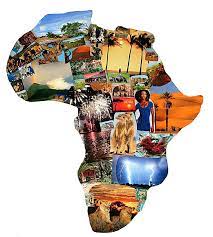
From Generation to Generation: Ensuring the Continuity of African Culture
Updated at: 2023-08-11 20:57:09 (2 years ago by Melkisedeck Leon Shine)
From Generation to Generation: Ensuring the Continuity of African Culture
As proud Africans, it is our responsibility to preserve and protect our rich and diverse culture for future generations. Our heritage is what defines us, connects us to our ancestors, and shapes our identity as a people. It is crucial that we develop effective strategies to ensure the continuity of African culture, so that it may thrive and flourish for years to come. In this article, we will explore 15 detailed points on how we can preserve African culture and heritage, and inspire the formation of "The United States of Africa" (Muungano wa Mataifa ya Afrika).
Education: Incorporate African history, traditions, and languages into the curriculum of schools across the continent. By teaching our youth about their heritage, we instill a sense of pride and belonging.
Cultural Festivals: Organize and participate in cultural festivals that celebrate the diversity of African cultures. These events provide a platform for showcasing traditional music, dance, art, and cuisine.
Oral Tradition: Preserve oral traditions by encouraging storytelling, folktales, and proverbs. This allows for the transmission of knowledge and values from one generation to the next.
Museums and Galleries: Establish and support museums and galleries that showcase African art, artifacts, and historical artifacts. These spaces serve as important repositories of our heritage.
Cultural Exchanges: Encourage cultural exchanges between different African nations. This allows for the sharing of customs, traditions, and experiences, fostering a sense of unity and understanding.
Language Revitalization: Promote the use of African languages in everyday life. Language is a crucial aspect of culture, and by preserving and revitalizing our languages, we ensure the preservation of our cultural identity.
Traditional Healing Practices: Recognize and support traditional healing practices that have been passed down through generations. These practices are an integral part of our cultural heritage and should be respected and preserved.
Intergenerational Dialogue: Encourage dialogue between different generations to bridge the gap and ensure the transmission of cultural knowledge. Elders can share their wisdom, while the younger generation can bring in new perspectives.
Cultural Entrepreneurship: Support and promote African artists, artisans, and entrepreneurs who contribute to the preservation and promotion of African culture and heritage. By investing in these industries, we create economic opportunities for our people.
Digital Preservation: Utilize technology to document and preserve cultural practices, languages, and traditions. Digital platforms can serve as valuable resources for future generations to learn about and engage with African culture.
Community Involvement: Engage the local communities in the preservation of their cultural heritage. By involving the people directly, we empower them to take ownership of their traditions and actively participate in their preservation.
Historical Sites: Protect and maintain historical sites that hold significance to our African heritage. These sites serve as reminders of our past and must be conserved for future generations to understand and appreciate.
Interdisciplinary Research: Foster interdisciplinary research that explores the connections between history, culture, and contemporary African society. This research can provide valuable insights into our cultural identity and inform preservation strategies.
Leadership and Governance: Advocate for African leaders to prioritize the preservation of culture and heritage. By integrating cultural preservation into national policies and strategies, we ensure its long-term sustainability.
Pan-African Unity: Embrace the concept of "The United States of Africa" (Muungano wa Mataifa ya Afrika). By working together as a united continent, we can pool our resources, knowledge, and efforts to preserve and promote our shared African culture and heritage.
In conclusion, the preservation of African culture and heritage is a collective responsibility that requires dedication, creativity, and unity. By implementing the recommended strategies, we can ensure that our traditions, languages, and customs are passed down from generation to generation. Let us be inspired by the words of great African leaders and take pride in our heritage.
"Culture is the fabric that holds a people together, and it is our duty to weave it with love, respect, and passion." - Nelson Mandela
Join us in this noble endeavor, share this article, and let us together preserve and celebrate our African culture! #PreserveOurHeritage #AfricanUnity #UnitedStatesofAfrica #MuunganowaMataifayaAfrika
Updated at: 2025-02-21 20:14:57 (1 year ago by Melkisedeck Leon Shine)
Africa, the birthplace of humanity, boasts an unparalleled richness of cultural heritage and traditions. From the rhythmic pulse of West African drumming to the intricate artistry of Maasai beadwork, the continentβs diverse cultures stand as a testament to its people's resilience and creativity. However, the forces of globalization present significant challenges to the preservation of this invaluable legacy. This article explores the crucial role of eco-tourism in safeguarding African culture and heritage, outlining key strategies for its effective implementation across the continent.
The preservation of African culture necessitates a multifaceted approach, encompassing education, community empowerment, sustainable economic development, and international collaboration. It is not merely a matter of protecting artifacts and traditions; it is about fostering a sense of cultural pride and ownership within communities, ensuring the continuity of cultural practices for generations to come. This involves empowering local communities to be active participants in the preservation process, rather than passive recipients of externally driven initiatives.
Prioritizing Education and Community Engagement: Integrating traditional teachings and practices into school curricula is paramount. This instills in younger generations a deep understanding and appreciation for their heritage, fostering cultural continuity. Simultaneously, actively involving local communities in decision-making processes empowers them to take ownership of their cultural preservation efforts. This fosters a sense of pride and responsibility, ensuring the long-term sustainability of initiatives.
Supporting Local Artisans and Promoting Cultural Festivals: The vibrant tapestry of African culture is woven through its unique art forms. Supporting local artisans by purchasing their handcrafted goods directly contributes to the preservation of these traditions. From intricately woven baskets to masterfully carved wooden masks, these creations embody African identity and deserve continued patronage. Furthermore, cultural festivals offer dynamic platforms to celebrate and showcase the continent's diverse heritage, fostering both local pride and attracting international tourism.
Investing in Infrastructure and Technology: The development of crucial infrastructure, such as cultural centers and heritage sites, significantly enhances tourism experiences, creating economic opportunities for local communities while simultaneously preserving their cultural assets. Harnessing the power of technology, through websites, social media, and digital archives, facilitates the documentation and global dissemination of African culture, ensuring its accessibility to a wider audience.
Strategic Partnerships and Sustainable Practices: Collaborating with international organizations like UNESCO provides access to essential funding and expertise, fostering cultural exchange and mutual understanding. This collaborative approach leverages global resources to bolster local preservation efforts. Furthermore, eco-tourism plays a vital role in this equation. Sustainable tourism practices protect natural habitats, which are intrinsically linked to many African cultural traditions, ensuring the continuity of practices deeply rooted in the environment.
Fostering Intergenerational Dialogue and Learning from Successes: Encouraging meaningful dialogue between generations is crucial. Older generations, custodians of traditional knowledge, can share their wisdom with younger generations, who bring fresh perspectives and innovative ideas. Studying successful cultural preservation initiatives from around the world, such as Japan's dedication to traditional arts, provides valuable lessons and inspiration for adapting successful strategies to the African context.
Advocating for Economic and Political Stability: Economic empowerment is fundamental to cultural preservation. Supporting entrepreneurship and fostering economic growth enables communities to invest in their heritage. Moreover, political stability and respect for human rights are essential for creating a safe and enabling environment for cultural expression and flourishing. The pursuit of political liberalization and economic opportunities strengthens the foundation for cultural preservation.
The Vision of a United Africa: African unity is paramount for safeguarding the continentβs shared heritage. Collective efforts, striving towards a vision of collaborative progress, will facilitate the overcoming of challenges and the creation of a future where diverse cultures thrive. This unified approach is crucial for the long-term success of cultural preservation initiatives.
In conclusion, preserving Africaβs rich cultural tapestry necessitates a comprehensive strategy that integrates education, community engagement, sustainable economic development, technological innovation, and international partnerships. By embracing these strategies, Africa can not only safeguard its heritage but also unlock its immense cultural and economic potential. The journey towards preserving African culture and heritage is a collective endeavor, requiring the collaborative efforts of individuals, communities, governments, and international organizations. Together, we can create a lasting legacy for future generations. Let's embark on this journey together, preserving our roots and shaping a brighter future for Africa. #PreservingAfricanHeritage #UnitedAfrica #CulturalPride
Updated at: 2025-02-21 20:08:15 (1 year ago by Melkisedeck Leon Shine)
```htmlAfrica's vibrant tapestry of traditions, customs, and artistic expressions forms the bedrock of its identity, a source of both immense pride and enduring inspiration. In a world characterized by rapid change, the preservation of this rich heritage is not merely a responsibility but a vital necessity. This article explores fifteen key strategies crucial for ensuring the continuity of African culture for generations to come, emphasizing the critical role of artisans and collaborative efforts.
1. The Enduring Power of Oral Tradition: Storytelling, a cornerstone of African culture, serves as a powerful conduit for transmitting ancestral wisdom, legends, and myths. Actively engaging in and supporting the continuation of oral traditions ensures that the narratives that define our collective identity remain alive and vibrant.
2. Cataloging and Protecting Cultural Artifacts: The meticulous documentation of historical artifacts, encompassing their historical context, significance, and associated stories, is paramount. This process secures their legacy and ensures that future generations understand their profound value and meaning within the broader cultural landscape.
3. Integrating Cultural Education into the Curriculum: The inclusion of African history, art, and culture in educational curricula is essential. By fostering a deep understanding of their heritage in young minds, we empower them to become active custodians of their traditions, contributing to their preservation and promotion.
4. Establishing Dedicated Cultural Centers: The creation of dedicated cultural centers provides essential spaces for showcasing and preserving African art, music, dance, and literature. These hubs serve not only as educational resources but also as vibrant community gathering places, fostering cultural exchange and appreciation.
5. Supporting the Artisans: The Heartbeat of Cultural Preservation: African artisans play a pivotal role in preserving cultural heritage. Supporting their craft through patronage and market access ensures the survival and transmission of these invaluable skills across generations. This direct engagement supports both the individuals and the cultural legacy they embody.
6. Global Collaboration: Sharing Our Heritage with the World: Partnerships with international museums, universities, and cultural organizations facilitate cross-cultural exchange, increasing global awareness and appreciation of African heritage while opening up new avenues for preservation and research.
7. Harnessing the Power of Digital Platforms: Utilizing digital platforms, including websites, social media, and online exhibitions, allows for the dissemination of African cultural traditions to a global audience, transcending geographical boundaries and connecting with a wider community of enthusiasts.
8. Celebrating Unity Through Cultural Festivals: Organizing and participating in cultural festivals that showcase the diverse traditions of various African countries promotes unity and fosters a profound sense of collective pride in a rich and varied heritage.
9. Preserving the Rhythms and Movements of Traditional Arts: Music and dance are integral to African culture. Supporting local musicians and dancers and fostering the preservation of traditional rhythms, melodies, and dance forms safeguard these essential elements of cultural expression.
10. Reviving Indigenous Languages: The Foundation of Culture: Language is the cornerstone of culture. Initiatives to revitalize and promote the use of indigenous African languages ensure their continuity and prevent the erosion of vital aspects of cultural identity.
11. Protecting Sacred Sites: Preserving History and Spirituality: The safeguarding of sacred sitesβancient temples, burial grounds, and significant natural landmarksβis crucial. These locations hold profound cultural and historical importance and must be protected for future generations.
12. Engaging Youth in Cultural Activities: Cultivating Future Guardians: Actively involving young people in cultural activities such as traditional dance classes, art workshops, and language lessons instills a sense of pride in their heritage and empowers them to become cultural ambassadors.
13. Facilitating Cultural Exchange Programs: Bridging Communities: Establishing exchange programs between African countries allows artisans, musicians, and cultural practitioners to share skills and traditions, fostering mutual learning and strengthening cross-cultural bonds.
14. Promoting Culturally Focused Tourism: Sustainable and Respectful Engagement: Responsible tourism that highlights African cultural heritage attracts visitors while creating economic opportunities for local communities, fostering sustainable development linked to cultural preservation.
15. Advocating for Supportive Cultural Policies: Ensuring a Legacy of Preservation: Advocating for national and continental cultural policies that prioritize heritage preservation and promotion ensures a framework for long-term safeguarding and sustainable continuity.
Nelson Mandela's powerful words, "A nation without a culture is a nation without a soul," serve as a potent reminder of the profound importance of preserving African cultural heritage. By embracing our traditions, celebrating our diversity, and fostering African unity, we create a future where our cultural heritage not only survives but thrives. Let us all contribute to this vital endeavor, ensuring that the soul of Africa continues to resonate for generations to come. Share this article and inspire others to join the movement. #PreserveAfricanCulture #AfricanUnity #CulturalHeritage
```
Updated at: 2023-08-11 20:34:23 (2 years ago by Melkisedeck Leon Shine)
Beyond Borders: Collaborative Efforts in Safeguarding African Heritage πβ¨
Africa, our beautiful and diverse continent, is home to a rich tapestry of cultures and traditions that have withstood the test of time. However, in the face of globalization and modernization, it is vital that we come together as Africans to preserve and protect our unique heritage for future generations. Through collaborative efforts, we can ensure that our cultures thrive and continue to shape our identity as a united continent.
Here are 15 strategies of preservation of African culture and heritage that we can adopt:
1οΈβ£ Embrace Cultural Education: It is crucial to educate ourselves and others about our rich history and traditions. By teaching our children about their heritage, we empower them to appreciate and maintain their cultural roots.
2οΈβ£ Document Oral Traditions: Many African cultures rely heavily on oral traditions to pass down knowledge and stories. By documenting these traditions through literature, film, and digital media, we can preserve and share them beyond borders.
3οΈβ£ Invest in Museums and Cultural Centers: Museums and cultural centers serve as important institutions for preserving and exhibiting African artifacts. By investing in their development and maintenance, we can create spaces where our heritage can be celebrated and shared.
4οΈβ£ Foster Intergenerational Exchange: Encouraging dialogue and interaction between different generations allows for the transfer of knowledge and wisdom. Elders can share their experiences, while the youth can infuse new energy and perspectives into our cultural practices.
5οΈβ£ Support Local Artisans: Artisans play a crucial role in preserving traditional craftsmanship and artistic expressions. By supporting local artisans, we contribute to the continuation of traditional practices and the economic empowerment of communities.
6οΈβ£ Establish Cultural Heritage Committees: These committees can be formed at regional and national levels to oversee the preservation and promotion of cultural heritage. They can collaborate with experts and stakeholders to devise effective strategies.
7οΈβ£ Encourage Sustainable Tourism: Tourism can provide valuable economic opportunities while promoting cultural exchange. By developing sustainable tourism practices that respect and showcase our heritage, we can generate income and appreciation for our cultural assets.
8οΈβ£ Protect Sacred Sites: Africa is home to numerous sacred sites that hold immense cultural and spiritual significance. It is our responsibility to protect and preserve these sites from destruction and encroachment.
9οΈβ£ Engage with Diaspora Communities: Our African diaspora communities have played a vital role in preserving and promoting our heritage around the world. By fostering stronger connections and collaborations with them, we can ensure that our culture remains alive and vibrant.
π Embrace Digital Technology: In this digital age, leveraging technology can greatly enhance our efforts in preserving African culture and heritage. Online platforms, digital archives, and virtual exhibits can reach wider audiences and facilitate knowledge sharing.
1οΈβ£1οΈβ£ Collaborate with International Partners: African countries can establish partnerships with organizations and institutions from around the world that have expertise in heritage preservation. By pooling resources and knowledge, we can strengthen our preservation efforts.
1οΈβ£2οΈβ£ Promote Cultural Exchange Programs: Cultural exchange programs between African countries can foster understanding, appreciation, and collaboration. By learning from one another's traditions, we can strengthen our unity as a continent.
1οΈβ£3οΈβ£ Empower Community Initiatives: Grassroots initiatives that focus on preserving and promoting local cultural practices should be encouraged and supported. These initiatives are often the backbone of cultural preservation efforts.
1οΈβ£4οΈβ£ Preserve Indigenous Languages: Our indigenous languages are an integral part of our cultural heritage. Efforts must be made to promote and preserve them as they hold the key to our collective identity.
1οΈβ£5οΈβ£ Strengthen Research and Documentation: Academic institutions and researchers should be encouraged to focus on studying and documenting African culture and heritage. This research can inform preservation strategies and contribute to a deeper understanding of our heritage.
As Nelson Mandela once said, "Culture is the power of self-identification, a source of pride, and a reference point for development." Let us come together as Africans to protect and celebrate our diverse heritage, for it is this very heritage that will pave the way towards the realization of The United States of Africa (Muungano wa Mataifa ya Afrika).
Now, I invite you, my fellow Africans, to develop your skills and become advocates for the preservation of African culture and heritage. Together, let us embark on this journey of safeguarding our identity and embracing African unity. Share this article with your friends and family, and let us continue to inspire and motivate one another. πβ¨
Updated at: 2023-08-11 21:25:18 (2 years ago by Melkisedeck Leon Shine)
Language Revival: Empowering Communities in Safeguarding African Tongues π
As Africans, our languages hold the key to our rich cultural heritage and identity. However, in recent years, many African languages have been at risk of disappearing. The loss of a language means the loss of an entire cultural universe, with its unique traditions, knowledge, and values. It is crucial for us to take action and preserve our languages, as they are the essence of who we are as a people. In this article, we will explore strategies for preserving African culture and heritage, empowering our communities, and working towards a united and prosperous Africa. π±π₯
Awareness and Education: We must raise awareness about the importance of our languages and the need to preserve them. Educating our communities, especially the youth, about the value of their mother tongues is crucial in creating a sense of pride and ownership. ππ£οΈ
Language Revival Programs: Establishing language revival programs can help reinvigorate our endangered languages. These programs should include language classes, cultural events, and initiatives that encourage the use of African languages in everyday life. ππ
Community Engagement: Engaging our communities in the preservation efforts is essential. We can organize language clubs, cultural festivals, and community events that celebrate and promote African languages. This will create a sense of unity and belonging among our people. π€π
Collaboration with Elders: Our elders hold a wealth of knowledge and wisdom. Involving them in language preservation initiatives can be invaluable. They can teach the younger generation about traditional customs, stories, and proverbs, ensuring that this knowledge is passed down through the generations. π΄π΅π‘
Language Documentation: Documenting our endangered languages through dictionaries, grammar books, and audio recordings is crucial for their preservation. This will ensure that future generations have access to these languages and can continue to learn and speak them. ππΌ
Integration in Education: Incorporating African languages into formal education systems is essential. By including our languages in school curricula, we can empower our youth to embrace their heritage and strengthen their sense of identity. ππ§π¦
Technology and Media: Utilizing technology and media platforms can play a significant role in language preservation. Creating online resources, language learning apps, and promoting African languages in mainstream media can help revive and popularize them. π±π»πΊ
Cultural Exchanges: Encouraging cultural exchanges between different African countries can foster a deeper understanding and appreciation of our diverse linguistic heritage. This can be achieved through exchange programs, language camps, and cultural immersion experiences. πβοΈ
Government Support: Governments play a vital role in preserving African languages. By providing financial support, establishing language policies, and promoting multilingualism, governments can create an enabling environment for language revival efforts. π°ποΈπ£οΈ
Cross-generational Language Transmission: Encouraging parents and families to speak African languages at home is crucial for their preservation. By promoting intergenerational language transmission, we can ensure that our languages thrive for generations to come. π¨βπ©βπ§βπ¦π£οΈ
International Collaborations: Learning from the experiences of other countries and regions that have successfully revived endangered languages can provide valuable insights. Collaborating with international organizations and experts can help us develop effective strategies for language preservation. ππ€π‘
Embracing Multilingualism: Rather than seeing our linguistic diversity as a barrier, we should embrace and celebrate it. Promoting multilingualism can foster a sense of inclusivity and unity, allowing us to preserve our languages while also promoting communication between different African communities. ππ€π£οΈ
Role of African Leaders: Our historical African leaders, such as Nelson Mandela, Kwame Nkrumah, and Thomas Sankara, understood the importance of preserving our languages. Their words and actions inspire us to take up the mantle and safeguard our cultural heritage. Let us remember their wise words: "A people without a language of its own is a people without a soul." ππ£οΈπ±
Taking Pride in Our Heritage: It is essential to instill a sense of pride in our cultural heritage. By valuing and promoting our languages, we can create a positive narrative that resonates with our people and encourages them to actively participate in language revival efforts. πππ£οΈ
You Can Make a Difference: Each one of us has a role to play in preserving our languages and culture. By developing our language skills, promoting multilingualism, and actively engaging in language revival initiatives, we can contribute to the preservation of our African heritage. Together, we can build a united Africa, where our languages thrive and our cultures flourish. πͺππ£οΈ
In conclusion, the preservation of African languages is not only a matter of cultural heritage but also a symbol of our unity and strength as a people. By employing these strategies and embracing our linguistic diversity, we can safeguard our cultural heritage and lay the foundation for a prosperous Africa. Let us join hands and work towards the goal of forming "The United States of Africa" or "Muungano wa Mataifa ya Afrika." Together, we can achieve greatness and inspire the world. ππ€πͺ
Are you ready to take action? How will you contribute to the preservation of African culture and heritage? Share this article with your fellow Africans and let's embark on this journey together! #PreserveAfricanHeritage #UnitedAfrica #LanguageRevival π±ππ£οΈ
Updated at: 2023-08-11 21:24:07 (2 years ago by Melkisedeck Leon Shine)
Reviving Legends: African Folklore's Role in Heritage Preservation
Africa, the cradle of civilization, is home to a rich tapestry of cultures and traditions that have shaped the continent for centuries. From the vibrant beats of West African drumming to the intricate beadwork of the Maasai people, African culture is a treasure trove of heritage that must be preserved for future generations. In this article, we will explore the strategies of preserving African culture and heritage, and how African folklore can play a vital role in this endeavor.
π Embrace the Power of Oral Tradition: Africa has a long-standing tradition of passing down stories, legends, and folklore through generations. By embracing and sharing these oral traditions, we keep our heritage alive and ensure that our stories continue to inspire and educate.
π Establish Cultural Education Programs: Schools and community centers should prioritize teaching African culture and heritage to the younger generation. Through cultural education programs, we can instill a sense of pride and identity in our children, reinforcing the importance of preserving our traditions.
πΌ Preserve Traditional Art and Crafts: African art, such as masks, sculptures, and paintings, is not only visually stunning but also tells stories of our ancestors. By investing in the preservation of traditional art and crafts, we ensure that future generations have a tangible connection to their roots.
π Document Indigenous Languages: Languages are an integral part of any culture, and Africa boasts an incredible linguistic diversity. It is crucial to document and preserve indigenous languages to prevent them from disappearing. Linguistic research and educational initiatives can help in this regard.
π Promote Cultural Festivals: Cultural festivals bring communities together and provide a platform for showcasing traditional music, dance, and rituals. By actively participating in and promoting these festivals, we celebrate our heritage and foster a sense of unity among Africans.
π Preserve Sacred Sites and Natural Heritage: Africa is blessed with breathtaking natural landscapes and sacred sites that hold cultural significance. It is crucial to protect and preserve these places, as they are a testament to our ancestors' connection with the land.
π‘ Utilize Digital Platforms: In this digital age, we have an incredible opportunity to share our culture with the world. Creating online platforms that showcase African folklore, music, and art can help preserve and promote our heritage on a global scale.
π± Engage the Youth: The youth are the future custodians of our culture, so engaging and involving them in heritage preservation efforts is vital. By encouraging their participation in cultural activities and providing opportunities for them to learn and showcase their talents, we ensure the continuity of our traditions.
βοΈ Collaborate with International Organizations: African countries can collaborate with international organizations to gain expertise and support for heritage preservation. This partnership can lead to valuable exchanges of knowledge and resources, benefiting both parties.
π Learn from Success Stories: Looking to other parts of the world that have successfully preserved their heritage can provide valuable insights and inspiration. By studying their strategies and adapting them to our unique cultural context, we can achieve our preservation goals more effectively.
π¬ "Culture is the widening of the mind and of the spirit." - Jawaharlal Nehru Leaders throughout history have recognized the importance of culture in shaping nations. Let us draw inspiration from their words and work towards a future where African culture is celebrated and preserved.
π¬π Ghana's Ashanti Kingdom: The Ashanti people of Ghana have successfully preserved their rich cultural heritage through oral traditions, festivals, and the Ashanti monarchy. Their commitment to preserving their history serves as a shining example for all of Africa.
π°πͺ Kenya's Maasai Community: The Maasai community in Kenya has managed to preserve their unique cultural traditions despite modernization. By continuing to practice their traditional ceremonies, dress, and way of life, they inspire us to value and protect our heritage.
π Develop Skills for Preservation: Preserving our culture requires skills in documentation, research, and conservation. It is essential for individuals to develop these skills and contribute to the preservation of African culture and heritage.
π Let's Unite for a Stronger Africa: Preserving our culture and heritage is not just about safeguarding our past, but also building a brighter future. By coming together as Africans and promoting unity, we can create a strong foundation for the development of "The United States of Africa" (Muungano wa Mataifa ya Afrika). Let us embrace our diversity, celebrate our heritage, and work towards a united and prosperous Africa.
In conclusion, preserving African culture and heritage is a collective responsibility that requires the active participation of individuals, communities, and governments. By embracing our traditions, investing in education, and utilizing modern tools, we can ensure that our legends and folklore continue to inspire generations to come. Let us rise to the challenge and safeguard our heritage for the world to admire. π #PreserveOurCulture #AfricanHeritage #UnitedAfrica #HeritagePreservation
Updated at: 2025-02-20 05:52:30 (1 year ago by Melkisedeck Leon Shine)
Africa's rich tapestry of cultures boasts a heritage spanning millennia, a legacy woven from diverse traditions, languages, and customs. Central to this heritage is the profound connection between the African people and the healing power of medicinal plants. Preserving this knowledge is not merely a cultural imperative; it's a vital step in securing a healthier and more vibrant future for the continent.
The preservation of traditional knowledge surrounding medicinal plants is paramount to maintaining our unique identity and our deep-rooted connection to the land. Passing this wisdom to future generations ensures an enduring appreciation for nature's healing capabilities. This task demands a multifaceted approach, encompassing education, economic development, and collaborative efforts across the African continent.
The concept of a unified "United States of Africa" (Muungano wa Mataifa ya Afrika) presents a powerful vision. Such unity could foster collaborative platforms for the exchange and preservation of our collective cultural heritage. By sharing knowledge and resources, we amplify our collective strength and ensure the longevity of our traditions.
Investing in the education of young Africans is crucial. They are the future custodians of our cultural legacy. A comprehensive education that includes the study of medicinal plants and their applications ensures that this invaluable knowledge is not only preserved but also advanced through research and innovation. Economic liberalization plays a vital role in supporting this educational endeavor, enabling investment in research and development.
Economic and political liberalization across Africa is intrinsically linked to cultural preservation. Prosperity fosters stability, allowing for investment in education, research, and the protection of our natural resources β including the medicinal plants that are central to our heritage. This economic growth fuels the preservation of our cultural identity and ensures equitable access to the knowledge and benefits derived from these plants.
Unity among African nations is essential for the preservation of our collective heritage. A strong network of collaboration and knowledge-sharing enhances our ability to protect and promote our traditions. Nelson Mandela's words, "The greatness of a nation can be judged by how it treats its weakest members," serve as a potent reminder that access to this vital knowledge should extend to all Africans, regardless of socioeconomic status.
Looking to successful models elsewhere can provide valuable insights. Countries like China and India have effectively integrated traditional medicine into their healthcare systems, creating models worthy of study and adaptation. China's investment in Traditional Chinese Medicine hospitals and research centers not only preserves its cultural heritage but also contributes significantly to its economy.
Botswana's proactive approach to protecting endangered medicinal plants through legislation offers a valuable example of sustainable practices. Similarly, Egypt's integration of traditional plant-based remedies into its national healthcare system underscores the importance of blending modern and traditional approaches to healthcare.
Several critical initiatives are necessary to ensure the preservation of this knowledge. The creation of a comprehensive database documenting the traditional uses, preparation methods, and scientific validation of African medicinal plants is vital. This resource would serve as a powerful tool for future research and preservation efforts.
Establishing botanical gardens and medicinal plant sanctuaries across Africa would act as living museums, preserving endangered species and showcasing our cultural heritage. Furthermore, fostering collaboration between traditional healers and modern healthcare professionals creates a holistic approach to healthcare, blending traditional knowledge with modern scientific understanding.
Engaging the youth through workshops, cultural festivals, and educational programs is vital to securing the future of this legacy. Immersing the next generation in the traditions and knowledge of medicinal plants will inspire them to continue this essential work. The preservation of our cultural heritage is an ongoing process, requiring continuous effort and collaborative action from all stakeholders.
In conclusion, the preservation of Africa's cultural heritage, specifically the knowledge of medicinal plants, is a shared responsibility. By embracing a multifaceted approach β including education, economic development, and regional collaboration β we can ensure that this valuable legacy thrives for generations to come. The vision of a unified Africa, where cultural preservation and unity are celebrated, remains a powerful motivator. Let us work together to realize this vision and ensure the enduring legacy of our healing traditions.
Updated at: 2025-07-16 11:06:38 (8 months ago by Melkisedeck Leon Shine)
```htmlAfrica, the cradle of humankind and a continent brimming with unparalleled cultural diversity, boasts a rich tapestry of traditions and heritage that warrants meticulous preservation for future generations. This necessitates the strategic deployment of robust mechanisms aimed at safeguarding and promoting African cultural identity. This article elucidates a comprehensive framework for achieving this objective, emphasizing the instrumental role of traditional art forms as vectors for cultural transmission and the synergistic application of diverse preservation strategies. Understanding and addressing the challenges in [Sustainable Mining in Africa](https://mobile.ackyshine.com/post.php?post=107033), for example, also contributes to preserving cultural sites located near mining areas.
Defining Key Concepts: Cultural Heritage encompasses both tangible (artifacts, historical sites) and intangible (traditions, languages, knowledge systems) elements inherited from past generations. Cultural Preservation entails proactive measures to protect, maintain, and transmit this heritage to succeeding generations. Cultural Transmission refers to the processes by which cultural knowledge, values, and practices are conveyed across generations. These concepts will be analyzed through the lens of established theoretical frameworks such as diffusion of innovation theory, social capital theory, and the concept of cultural capital. For example, diffusion of innovation can explain how new methods of preserving oral traditions spread through communities.
1. Education and Curriculum Integration: Fostering Cultural Awareness through Structured Learning: Formal education assumes a pivotal role in nurturing cultural awareness and appreciation among younger demographics. The integration of African traditions, history, and artistic expressions into school curricula, supplemented by interactive cultural workshops, can cultivate a profound understanding and respect for heritage. This approach aligns with the diffusion of innovation theory, wherein educational institutions serve as conduits to disseminate cultural knowledge and values, transforming them into widely adopted cultural practices. Furthermore, programs that encourage [Effective Communication: Building Teacher-Student Bonds for Academic Success](https://mobile.ackyshine.com/post.php?post=107025) can be adapted to teach cultural heritage effectively.
2. Revitalizing Oral Traditions: Preserving Cultural Knowledge through Storytelling: Storytelling constitutes a cornerstone of many African cultures. The systematic documentation and transmission of oral narratives, proverbs, and legends to children are essential for preserving cultural knowledge and wisdom. This process can leverage community-based initiatives and digital platforms to create accessible resources and promote intergenerational learning. The preservation of these traditions ensures that the nuances of cultural identity are passed down accurately. This is akin to preserving rare artifacts; each story is a piece of history.
3. Leveraging Cultural Festivals as Platforms for Heritage Promotion: Showcasing Cultural Diversity and Fostering Economic Opportunities: Cultural festivals provide dynamic platforms to showcase the vibrant diversity of African cultures. These events not only promote cultural pride but also facilitate economic opportunities and intercultural dialogue. The organization and participation in such festivals should be strategically planned, leveraging marketing and tourism principles to maximize impact. Festivals can also serve as educational tools, promoting [Uniting Africa: How Food and Culture Connect Us](https://mobile.ackyshine.com/post.php?post=107027) and other cultural aspects.
4. Establishing Cultural Institutions for Preservation and Dissemination: Creating Hubs for Research, Education, and Archiving: The establishment of museums, cultural centers, and archives provides physical repositories for cultural artifacts, documents, and artistic expressions. These institutions serve as vital centers for research, education, and the dissemination of cultural knowledge. Effective management and curation are crucial to ensure the long-term preservation of these collections. These institutions act as guardians of cultural memory, ensuring that future generations have access to their heritage. This also promotes the application of digital humanities methods for analysis and interpretation of cultural materials.
5. The Vital Role of Traditional Art Forms: Dance, Music, and Art as Cultural Repositories: Traditional African art forms serve as powerful conduits for cultural transmission. They embody narratives, emotions, and ancestral connections, thus representing a living repository of cultural memory. Reviving and promoting traditional dance forms, ensuring their transmission to younger generations, becomes crucial for maintaining this vital link to the past. Similarly, preserving traditional music and visual arts ensures that diverse aspects of cultural expression endure. This taps into the symbolic and social capital inherent in traditional practices, strengthening community bonds and reinforcing cultural identity. Furthermore, understanding and applying [Mindfulness and Self-Care: A Practical Guide to Well-being and Stress Reduction](https://mobile.ackyshine.com/post.php?post=107016) can help in the sustainable practice and transmission of these art forms.
The preservation of Africa's rich cultural heritage necessitates a holistic, collaborative, and adaptive approach. The strategies outlined above, drawing from established theoretical frameworks, provide a comprehensive roadmap for safeguarding both tangible and intangible cultural assets. The success of these efforts hinges on a concerted effort involving governments, educational institutions, community organizations, and individuals. A critical consideration is the incorporation of digital technologies to broaden access to cultural resources and ensure their long-term preservation. For instance, virtual reality can offer immersive experiences of historical sites and cultural practices, while online platforms can facilitate cultural exchange and education on a global scale.
Furthermore, future research should prioritize the development of more effective strategies for engaging marginalized communities in heritage preservation, tailoring technology for specific cultural contexts, and rigorously measuring the impact of different preservation interventions through quantitative and qualitative methods. Economic factors also play a crucial role; sustainable tourism models can generate revenue for preservation efforts while respecting cultural integrity.
The effective implementation of these recommendations can contribute to the sustainable development of African societies, promote social cohesion, and foster a profound sense of shared identity and pride in Africaβs cultural heritage. This holistic approach ensures that future generations inherit a vibrant and enduring cultural legacy, fostering a deeper connection to their roots. Moreover, by promoting cultural preservation, we also contribute to a global understanding of diversity and heritage. This involves fostering [International Cooperation and Knowledge Sharing] and understanding different ways of life and traditions that can enrich and broaden our understanding of humanity and Africaness.
Reader Pool: Considering the rapid pace of globalization and technological advancements, what innovative funding models and collaborative partnerships could ensure the sustained preservation and promotion of Africa's diverse cultural heritage for future generations?
Related Posts:
```
Updated at: 2025-02-20 04:31:52 (1 year ago by Melkisedeck Leon Shine)
African culture, a vibrant tapestry woven from countless traditions and a rich heritage, defines our identities, shapes our values, and connects us to our ancestors. Yet, in our rapidly changing world, safeguarding this legacy is paramount. Photography, with its unique ability to capture and immortalize fleeting moments, emerges as a powerful tool for preserving and celebrating the heart of African traditions. This article explores strategic approaches to harness the power of photography, ensuring our cultural heritage thrives for generations to come.
Documenting the Everyday: A Tapestry of Life
Photographers are encouraged to document the seemingly ordinary moments of daily life β the routines, interactions, and celebrations that embody the essence of African communities. These seemingly mundane scenes often hold profound cultural significance, revealing the subtle nuances of our traditions.
Celebrating Africa's Diverse Heritage: A Kaleidoscope of Cultures
Africaβs diverse landscape boasts a multitude of languages, cultures, and traditions. Photographers play a crucial role in capturing this stunning variety, ensuring the unique heritage of each nation is preserved and celebrated. This visual representation of diversity fosters understanding and appreciation for the continentβs rich tapestry.
Preserving Rituals and Ceremonies: Passing the Torch of Tradition
Traditional rituals and ceremonies β weddings, coming-of-age celebrations, religious practices β are vital in transmitting cultural values and beliefs. Photography serves as a powerful means of preserving these events, creating a lasting record for future generations to learn from and connect with.
Visual Storytelling: Weaving Narratives Through the Lens
Photographs can be more than just images; they can be powerful stories. By capturing the spirit and essence of African traditions, photographers create visual narratives that promote cultural understanding and appreciation on a global scale. These narratives transcend language barriers, making them universally accessible.
Capturing Natural Heritage: A Connection to the Land
Africa's breathtaking landscapes and natural wonders are integral to its cultural identity. Photographers should capture the beauty of the continent's environment, reminding us of our deep-rooted connection to the land and the importance of environmental stewardship.
Oral Traditions in Focus: Bridging the Generational Gap
Photography can beautifully complement oral traditions. By capturing images that vividly illustrate stories, proverbs, and folklore, photographers help bridge the generational gap, ensuring these vital aspects of culture are passed down effectively.
Architectural Heritage: A Testament to Craftsmanship
Traditional African architecture reflects the ingenuity and craftsmanship of our ancestors. Photographers can play a significant role in documenting this architectural heritage, preserving unique designs and construction methods for posterity.
Collaboration with Indigenous Communities: Respect and Authenticity
Engaging with local communities and involving them in the photographic process is crucial. This ensures authentic and respectful representations of their traditions, fostering trust and collaboration.
Educating Through Exhibitions: Sharing Our Story
Exhibitions showcasing the work of African photographers provide powerful platforms for education and awareness. These exhibitions create opportunities for dialogue, understanding, and appreciation of our rich cultural heritage.
Leveraging Technology: Reaching a Global Audience
Social media and online platforms are powerful tools for sharing and promoting African photography. This global reach allows us to connect with diverse audiences, fostering appreciation for African culture beyond geographical boundaries.
Empowering Local Photographers: Nurturing Talent
Investing in training and resources for aspiring photographers is crucial for the long-term preservation of our heritage. By nurturing talent, we empower individuals to become custodians of our cultural legacy.
Regional Collaboration: A Continent United
Collaboration between photographers from different African countries fosters a sense of unity and shared identity. The exchange of ideas and perspectives enriches the photographic narrative and strengthens the continent's cultural bonds.
Learning from Global Best Practices: Adapting and Innovating
By examining successful cultural preservation strategies employed elsewhere, we can adapt and incorporate these methods into our own context, optimizing our efforts and learning from international experience.
Amplifying African Voices: Reclaiming Our Narrative
Photography can be used to challenge stereotypes and promote a more accurate and nuanced understanding of African traditions. By reclaiming our narrative, we ensure our stories are told authentically and respectfully.
Inspiring Future Generations: A Legacy of Pride
Photography has the power to ignite a sense of pride and curiosity in young people, encouraging them to explore their heritage, develop their artistic talents, and become active participants in preserving our traditions.
The vision of a united and prosperous Africa, as envisioned by leaders like Kwame Nkrumah and Julius Nyerere, is not merely a distant dream. Through collaborative efforts and a commitment to preserving our cultural heritage, we can build a brighter future. Let's join the movement to celebrate African pride and protect our traditions for generations to come. #AfricanPride #PreservingOurTraditions #UnitedAfrica
Updated at: 2025-02-20 11:51:45 (1 year ago by Melkisedeck Leon Shine)
Africa's rich cultural heritageβa vibrant tapestry woven from ancient traditions, diverse languages, captivating music and dance, and breathtaking artβis the cornerstone of our identity. This legacy, passed down through countless generations, connects us to our ancestors and shapes our present. In today's rapidly globalizing world, proactive measures are crucial to ensure this invaluable heritage thrives. Artists, with their creativity and collaborative spirit, play a pivotal role in this preservation effort, ensuring our traditions are not just remembered but celebrated and passed on.
Preserving African culture necessitates a multifaceted strategy. The following fifteen strategies offer a roadmap for this crucial undertaking:
Preserving our African cultural heritage is not a passive pursuit; it demands our active commitment and collective action. We must be vigilant guardians of our traditions, inspiring future generations to cherish and celebrate the richness of our cultural tapestry. By embracing these strategies and working collaboratively, we can build a united Africa that proudly showcases its diverse heritage to the world, standing as a beacon of inspiration and cultural dynamism.
What role will you play in preserving this invaluable legacy? Share your ideas and actions. Letβs collaborate to safeguard and celebrate the beauty and diversity of African culture. #PreserveAfricanCulture #AfricanHeritage #CulturalUnity