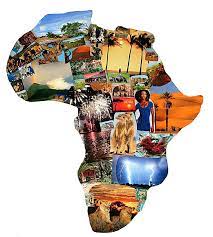
Preserving African Heritage: A Multifaceted Approach to Cultural Sustainability
Updated at: 2025-06-01 11:48:25 (1 year ago by Melkisedeck Leon Shine)
```htmlThis article explores strategies for preserving African cultural heritage, focusing on the application of relevant theories and models to ensure effective implementation. Key concepts include cultural preservation (the active safeguarding of cultural traditions, practices, and artifacts), sustainable development (development that meets the needs of the present without compromising the ability of future generations to meet their own needs), and cultural tourism (tourism that focuses on experiencing and learning about the culture of a destination).
The preservation of African cultural heritage is paramount for maintaining societal identity and fostering sustainable development. Applying the principles of diffusion of innovations, we can accelerate the adoption of sustainable building practices. By embracing traditional techniques using locally sourced materials like mud, thatch, and stone, we not only honor ancestral knowledge but also minimize environmental impact, aligning with principles of eco-tourism. This approach reduces reliance on unsustainable imported materials, promoting economic self-sufficiency within communities. The economic benefits of promoting local craftsmanship and materials are supported by the theory of comparative advantage, demonstrating the economic viability of cultural preservation.
Establishing cultural centers, guided by the principles of community development, acts as a crucial strategy. These centers should not only showcase art and artifacts but also serve as educational hubs, offering workshops and training programs that empower local communities. The establishment and effective management of these centers require a strong understanding of organizational behavior and effective leadership, ensuring long-term sustainability. Documenting oral histories through digital archiving β a powerful application of digital humanities β ensures the preservation of invaluable cultural knowledge for future generations. This is a core element of the UNESCO Memory of the World Programme's broader aims.
Promoting local art and crafts through targeted marketing campaigns, using insights from marketing management theories, creates sustainable livelihoods for artisans and promotes cultural heritage simultaneously. The integration of African history, traditions, and languages into educational curricula, grounded in the principles of cultural competency in education, fosters cultural identity and pride in future generations. This aligns with the concept of human capital development, emphasizing the importance of education for individual and societal growth.
Preserving historical sites, applying principles of heritage management, requires not only restoration but also sustainable tourism practices. Employing stakeholder analysis helps ensure the involvement of local communities in the preservation process. Moreover, cultural exchange programs, following models of international relations theory, promote understanding and collaboration among African nations, strengthening cultural bonds. This approach, aligned with principles of cultural diplomacy, can also drive economic growth through tourism.
The utilization of technology, drawing from concepts of digital preservation, allows for the dissemination of cultural heritage on a global scale. Social media platforms and online archives can reach wider audiences, fostering intercultural dialogue and understanding. Engaging youth through interactive initiatives leverages their creativity and ensures the continuity of cultural preservation efforts. This participatory approach aligns with the theory of social capital, emphasizing the strength of collective efforts in achieving common goals.
The preservation of African cultural heritage requires a multi-faceted approach integrating sustainable practices, community engagement, educational initiatives, and technological innovation. Recommendations include increased investment in cultural infrastructure, development of culturally sensitive tourism strategies, implementation of comprehensive digital archiving projects, and the creation of national strategies for cultural heritage management, informed by a thorough analysis of stakeholders and their needs (stakeholder theory). This approach is pivotal for building a sustainable future that recognizes the economic and social value of cultural heritage. Further research should focus on comparative studies across different African nations to identify best practices and challenges in cultural preservation, particularly focusing on the efficacy of different funding models and their impact on sustainable development. By effectively managing and preserving African cultural heritage, the continent can leverage its rich cultural assets to foster economic growth, build stronger communities, and create a vibrant, unified future.
Reader Pool: What innovative strategies, drawing upon interdisciplinary approaches, could further enhance the preservation and promotion of African cultural heritage in the face of globalization and technological advancements?
```
Updated at: 2025-06-22 01:38:03 (1 year ago by Melkisedeck Leon Shine)
```htmlThe preservation of Africa's diverse cultural heritageβa vibrant tapestry woven from history, tradition, and artistic expressionβrequires a proactive and multifaceted strategy. This necessitates not merely passive protection, but rather active engagement, fostering deep understanding and appreciation both within and beyond African communities. This article proposes fifteen key strategies, grounded in relevant theories and models, for safeguarding this invaluable heritage, thereby contributing to a more unified and empowered Africa. We will define key concepts like cultural preservation, Pan-Africanism, and heritage tourism to frame our discussion.
1. Formal Education and Cultural Transmission: Integrating Heritage into Curriculum Design
Integrating African history, languages, and traditions into formal education is paramount. This approach, informed by constructivist learning theory, empowers youth by fostering a sense of cultural identity and ownership, transforming them into active custodians of their heritage. Holistic curricula should encompass oral histories, artistic expressions, and the cultural significance of various practices. This aligns with the concept of cultural capital, where knowledge of oneβs heritage contributes to social and economic advancement.
2. Promoting Cultural Tourism: Showcasing African Diversity through Experiential Learning
Organizing and promoting culturally-focused tourism provides a powerful platform to showcase the continentβs diverse heritage. These initiatives, guided by the principles of sustainable tourism, leverage cultural festivals, traditional performances, art exhibitions, and culinary experiences to foster a shared sense of identity and cultural pride. This approach is consistent with the concept of heritage tourism, generating economic benefits while preserving cultural practices. Careful planning to ensure ethical and responsible tourism practices is crucial.
3. Documenting Oral Traditions: Preserving Intangible Cultural Heritage
Oral traditionsβstorytelling, folktales, proverbsβrepresent a vital repository of knowledge and cultural values. Ethnographic research methodologies are vital for documenting and archiving these traditions, ensuring the transmission of wisdom across generations. This approach supports the UNESCO's safeguarding of intangible cultural heritage, recognizing its importance for cultural identity. Digital archiving enhances accessibility and longevity.
4. Establishing and Supporting Cultural Institutions: Showcasing African Artistic Achievements
The establishment and support of museums and galleries dedicated to African art, artifacts, and historical documents are crucial. These institutions, following principles of museum studies, serve as repositories of heritage and engage the public. Curatorial practices must emphasize accurate representation and community involvement, reflecting the principles of cultural democracy and participatory museum approaches.
5. Facilitating Cultural Exchange and Dialogue: Building Pan-African Connections
Cultural exchanges between African nations are fundamental for fostering unity and mutual understanding. This approach, aligned with the principles of intercultural communication, promotes a shared identity and strengthens inter-community bonds, contributing to a more cohesive Pan-African identity. This is underpinned by theories of social cohesion and the promotion of a shared sense of belonging.
6. Language Revitalization: Protecting Linguistic Diversity
Language is intrinsically linked to cultural identity. Promoting African languages requires strategic interventions in education, media, and community engagement, reflecting sociolinguistic principles. This linguistic revitalization is crucial for preserving cultural heritage and empowering communities. The principle of linguistic diversity necessitates support for language maintenance and development.
7. Integrating Traditional and Modern Healthcare Systems: Respecting Indigenous Knowledge
Traditional healing practices represent invaluable cultural heritage. Responsible integration of traditional healing with modern healthcare, guided by principles of biocultural diversity, ensures the preservation of this knowledge while upholding ethical standards and patient safety. This approach acknowledges the value of indigenous knowledge systems.
8. Mentorship and Intergenerational Knowledge Transfer: Fostering Cultural Continuity
Fostering intergenerational dialogue is crucial for cultural transmission. Creating opportunities for elders to mentor younger generations ensures the dynamic evolution of cultural practices while respecting traditional knowledge. This approach is consistent with social learning theory and the importance of apprenticeship models.
9. Supporting Cultural Entrepreneurship: Empowering Economic Participation
Supporting African artists and artisans through economic empowerment initiatives promotes cultural sustainability. Investing in these industries not only safeguards cultural practices but also fosters economic growth. This aligns with development economics principles emphasizing the role of culture in economic diversification.
10. Digital Preservation of Cultural Heritage: Leveraging Technology
Utilizing digital technologies for documenting and preserving cultural practices offers a powerful tool for heritage safeguarding. Digital platforms create accessible and sustainable archives, enhancing knowledge dissemination and preserving heritage for future generations. This approach aligns with digital humanities principles.
11. Community-Based Heritage Management: Empowering Local Ownership
Actively involving local communities in heritage preservation ensures ownership and sustainability. Community-based approaches, rooted in participatory development principles, foster authenticity and empower local stakeholders. This approach promotes cultural self-determination.
12. Protecting Historical Sites and Monuments: Preserving Tangible Heritage
Protecting historically significant sites is paramount for preserving tangible heritage. Effective site management strategies and conservation efforts, informed by archaeological and historical principles, ensure the preservation of physical evidence of past cultures for future generations. This aligns with principles of heritage conservation.
13. Interdisciplinary Research: Understanding the Past to Inform the Future
Interdisciplinary research exploring connections between history, culture, and contemporary African society provides crucial insights for effective preservation strategies. This integrated approach, drawing on various disciplines (anthropology, history, sociology, etc.), promotes a nuanced understanding of cultural heritage.
14. Policy and Governance: Integrating Cultural Preservation into National Development
Advocating for cultural preservation within national development strategies ensures long-term sustainability. This requires integrating heritage considerations into policy frameworks, allocating resources, and promoting effective governance structures that prioritize cultural preservation. This aligns with principles of sustainable development.
15. Strengthening Pan-African Collaboration: A Collective Approach
Pan-African collaboration is essential for effective cultural preservation. Pooling resources and expertise fosters shared responsibility and strengthens collective action across the continent. This approach aligns with the principles of international cooperation and shared heritage management.
Conclusion and Recommendations
The preservation of African cultural heritage is a complex, ongoing process demanding sustained commitment and innovative approaches. This requires not only the implementation of the strategies outlined above, but also ongoing evaluation and adaptation to changing contexts. Future research should focus on developing effective monitoring and evaluation frameworks for cultural preservation initiatives, further exploring the intersection between culture, economic development, and social justice in Africa. The successful implementation of these strategies will contribute significantly to a stronger, more unified, and culturally vibrant Africa, enhancing social cohesion and promoting sustainable development. The long-term impact of these actions will be a richer cultural landscape, a more cohesive society, and a more equitable distribution of resources and opportunities.
Reader Pool: Considering the interconnectedness of cultural preservation and socio-economic development, what further strategies would you propose to ensure the sustainable preservation of African cultural heritage, while simultaneously promoting economic growth and social equity?
```
Updated at: 2023-08-11 21:34:45 (2 years ago by Melkisedeck Leon Shine)
Guardians of Identity: The Role of Communities in Preserving African Culture
In the tapestry of African history, culture and heritage play a vital role in shaping the continent's identity. Our rich traditions, languages, art forms, and rituals are the threads that bind us together as a people. As Africans, it is our duty to safeguard and celebrate our cultural heritage, for it is through this preservation that we can truly embrace our unique identity and inspire future generations. Today, I would like to share with you 15 strategies that can help preserve African culture and heritage, and pave the way for a brighter future for the continent.
Education is key ππ: Encourage the integration of African history and culture into school curriculums to instill a sense of pride and understanding among the youth.
Embrace technology π»π‘: Utilize digital platforms to document and share African cultural practices, traditions, and stories with a global audience.
Support local artisans and craftsmen π¨π§Ά: By purchasing and promoting their work, we can ensure the continuation of traditional art forms and empower economic growth in our communities.
Preserve oral traditions π£οΈποΈ: Pass down ancestral stories, proverbs, and folktales through storytelling sessions, community gatherings, and radio programs.
Protect sacred sites and landmarks ποΈβ¨: Recognize and safeguard important historical sites, such as ancient ruins, sacred forests, and traditional shrines, which hold significant cultural value.
Celebrate cultural festivals and events ππΊ: Participate in and organize community festivities that showcase African music, dance, clothing, and cuisine, fostering a sense of unity and pride.
Encourage intergenerational dialogue π΅π§: Create platforms for elders to share their knowledge and wisdom with the younger generation, ensuring the transfer of cultural heritage.
Promote cultural exchanges ππ: Foster relationships with other African countries and encourage the sharing of cultural practices, traditions, and intercultural dialogue.
Invest in cultural infrastructure ποΈποΈ: Establish museums, cultural centers, and libraries that serve as vibrant spaces for the preservation and dissemination of African culture.
Support local language preservation π£οΈπ: Encourage the use of indigenous languages in everyday life, education, and media, as language is a crucial aspect of cultural identity.
Emphasize the role of African women π©πΈ: Recognize and celebrate the contributions of African women in preserving and promoting cultural heritage, ensuring their active participation in cultural preservation initiatives.
Foster community ownership π€π±: Involve local communities in decision-making processes regarding cultural preservation, allowing them to take ownership of their heritage.
International collaborations π€π: Engage in partnerships with international organizations and institutions that share a common interest in the preservation of African culture and heritage.
Harness the power of social media π±π₯: Utilize platforms like Facebook, Twitter, and Instagram to raise awareness about African culture, connect with the diaspora, and promote cultural events.
Develop educational programs ππ: Establish cultural exchange programs, scholarships, and workshops that focus on African culture, empowering individuals to become ambassadors of their heritage.
As Nelson Mandela once said, "Education is the most powerful weapon which you can use to change the world." Together, we have the power to change the narrative and promote the preservation of African culture and heritage. Let us unite under the banner of African unity, embracing our diversity and working towards a future where the United States of Africa (Muungano wa Mataifa ya Afrika) is not just a dream, but a reality.
To our fellow Africans, let us embark on this journey of cultural preservation with determination and pride, knowing that our heritage is our strength. Share this article, engage in the conversation, and let us inspire and motivate each other to become the guardians of our identity. Together, we can honor our past, celebrate our present, and shape a vibrant future for Africa. #PreservingAfricanCulture #UnitedAfrica #ProudlyAfrican
Updated at: 2025-05-24 10:09:10 (1 year ago by Melkisedeck Leon Shine)
Africa's diverse architectural landscape, encompassing structures ranging from the ancient pyramids of Egypt to the rock-hewn churches of Lalibela, represents a significant repository of cultural heritage. These architectural marvels serve as tangible embodiments of ingenuity and artistic expression, reflecting the rich tapestry of African civilizations. Their preservation is not merely a matter of historical preservation but a crucial element in fostering cultural identity and promoting sustainable development. This necessitates a multifaceted and collaborative approach, integrating principles of cultural resource management, community engagement, and sustainable tourism.
A comprehensive strategy for safeguarding Africa's architectural heritage requires a collaborative effort involving communities, governmental bodies, and international partners. The following points outline a framework for achieving this critical goal, drawing upon established theories such as the UNESCO World Heritage Convention, community-based conservation models, and principles of sustainable development.
1. Establishing Robust Legal Frameworks and Enforcement Mechanisms: Strong legal frameworks are foundational to heritage protection. These frameworks, drawing upon international best practices as exemplified by the UNESCO World Heritage Convention, should clearly define protected sites, prohibit unauthorized alterations or destruction, and establish mechanisms for effective enforcement. This legal infrastructure must be complemented by robust monitoring and surveillance systems to deter illegal activities and ensure compliance. Cases of successful implementation, such as the protection of specific sites within national parks, can serve as models for other regions.
2. Developing Comprehensive Site Management Plans: Each site requires a bespoke management plan based on a thorough assessment of its condition, vulnerabilities (e.g., climate change, urban encroachment), and potential threats. These plans must incorporate preventive conservation measures, emergency response protocols, and long-term sustainability strategies. The application of risk assessment methodologies, such as those employed in disaster management, can help prioritize conservation efforts and allocate resources effectively.
3. Fostering Meaningful Community Engagement: Successful heritage preservation is intrinsically linked to community ownership and participation. Applying participatory approaches, similar to those used in community-based natural resource management, empowers local communities to actively participate in decision-making processes, ensuring preservation efforts align with local values, needs, and traditional practices. This participatory approach, grounded in principles of social equity and environmental justice, fosters a sense of shared responsibility and long-term sustainability.
4. Promoting Sustainable Tourism and Economic Development: Tourism can generate substantial economic benefits for local communities, but only if managed sustainably. Responsible tourism practices, emphasizing visitor education, minimal environmental impact, and equitable distribution of economic benefits, are crucial. This approach, grounded in the principles of ecotourism and sustainable development, ensures that cultural heritage preservation contributes to local livelihoods while mitigating potential negative impacts.
5. Investing in Research, Innovation, and Capacity Building: Advancements in conservation science and technology are crucial for addressing the challenges of preserving diverse architectural forms. Investment in research and development, coupled with capacity-building initiatives to train local professionals in advanced preservation techniques, are essential for long-term sustainability. This includes exploring innovative materials and techniques while respecting traditional building methods.
6. Facilitating Intergenerational Knowledge Transfer: Preserving traditional building techniques requires a systematic approach to knowledge transfer from master craftspeople to younger generations. Apprenticeship programs and mentorship initiatives play a pivotal role in maintaining these invaluable skills and ensuring the continuity of traditional building practices. This aligns with principles of cultural transmission and the safeguarding of intangible cultural heritage.
7. Enhancing Documentation and Archiving: Comprehensive documentation of architectural sites, including detailed surveys, photographic records, and oral histories, is crucial. This documentation must be digitally archived and made accessible to researchers, policymakers, and the public. This robust documentation acts as a foundation for informed decision-making, conservation planning, and public awareness initiatives.
8. Strengthening International Collaboration and Knowledge Exchange: International partnerships and collaborations are essential for accessing specialized expertise, advanced technologies, and financial resources. The exchange of best practices and experiences among African nations and international organizations is crucial for enhancing preservation efforts and ensuring sustainable outcomes. This necessitates collaborative frameworks guided by principles of mutual respect and shared benefit.
9. Raising Public Awareness and Education: Public awareness campaigns, using diverse media platforms, are vital for fostering appreciation and understanding of the importance of architectural heritage. Educational programs targeted at different age groups should highlight the cultural significance of these sites and instill a sense of responsibility for their preservation. This aligns with the educational goals of UNESCOβs World Heritage program.
10. Integrating Traditional Architectural Practices in Contemporary Design: Incorporating traditional building techniques and materials into contemporary architectural projects ensures the continuity of African architectural traditions. This approach contributes to the authenticity and sustainability of the built environment, showcasing the enduring relevance of traditional craftsmanship.
11. Empowering Local Communities through Economic Opportunities: Local communities should benefit directly from preservation efforts. This can be achieved through sustainable tourism initiatives, craft-based enterprises linked to heritage sites, and employment opportunities in conservation and restoration projects. Economic empowerment complements the participatory approach, creating incentives for community involvement and long-term stewardship.
12. Celebrating Cultural Festivals and Events: Cultural festivals and events provide platforms for celebrating architectural heritage, fostering community pride, and promoting public awareness. These events can also serve as opportunities to generate revenue for conservation initiatives.
13. Supporting Local Craftsmanship and Artisanal Skills: Preservation efforts depend heavily on the skills of local artisans and craftspeople. Supporting their work through training programs, fair wages, and market access ensures the authenticity and quality of conservation and restoration projects.
14. Developing Pan-African Networks and Collaborative Initiatives: Collaboration among African nations is vital for sharing best practices, resources, and expertise. Establishing regional networks and joint projects can optimize resource utilization and amplify the impact of preservation efforts.
15. Utilizing Technology for Monitoring and Preservation: Modern technologies, such as remote sensing, GIS, and 3D modeling, can play a significant role in monitoring the condition of sites, detecting threats, and planning effective interventions. Integration of technology enhances efficiency and accuracy in conservation efforts.
Conclusions and Recommendations: Safeguarding Africa's architectural heritage is a multifaceted endeavor requiring a holistic and collaborative approach. The integrated strategy outlined above emphasizes the importance of strong legal frameworks, community participation, sustainable economic development, and the integration of traditional knowledge with modern technologies. Continuous investment in research, capacity building, and public awareness is crucial for long-term sustainability. Further research should focus on developing innovative conservation techniques, analyzing the economic impacts of heritage tourism, and assessing the effectiveness of different community engagement models. By embracing a collaborative and sustainable approach, Africa can ensure that its architectural legacy endures for future generations, serving as a testament to its rich cultural heritage and its commitment to sustainable development.
Reader Pool: What innovative strategies could further enhance the effectiveness of community-based approaches to heritage preservation in diverse African contexts?
Updated at: 2025-02-21 20:20:39 (1 year ago by Melkisedeck Leon Shine)
```htmlAfrica, a continent of extraordinary diversity, boasts a vibrant tapestry of cultures and traditions, each possessing unique beauty and profound significance. The preservation of this invaluable heritage is not merely a responsibility; it's a fundamental duty we owe to future generations. Our cultural legacy serves as a source of immense pride, fostering a deep connection to our roots and illuminating our collective identity. This article explores comprehensive strategies for safeguarding and celebrating African culture and heritage.
Education: The Cornerstone of Cultural Preservation
Instilling a profound understanding and appreciation of African culture begins with education. Integrating African history, traditions, customs, and values into school curricula is paramount. Interactive methods such as storytelling, cultural festivals, and immersive learning experiences can effectively engage young minds and cultivate a lasting sense of cultural pride.
Oral Tradition: A Living Legacy
Africa's rich oral traditionβthe vibrant tapestry of storytelling, proverbs, and folktalesβserves as a powerful conduit for transmitting history, values, and cultural wisdom across generations. Actively preserving and promoting this oral heritage ensures the continuity of cultural knowledge and strengthens community bonds.
Cultural Exchange: Fostering Global Understanding
Establishing robust cultural exchange programsβboth within Africa and internationallyβis crucial for fostering mutual understanding and appreciation of diverse African cultures. These programs can leverage art, music, dance, and language exchange to bridge cultural divides and promote a sense of global interconnectedness.
Museums and Cultural Centers: Preserving Tangible Heritage
Investing in state-of-the-art museums and cultural centers provides essential spaces for the preservation and exhibition of invaluable African artifacts, art, and historical documents. These institutions play a critical role in educating the public and ensuring the long-term survival of tangible cultural heritage.
Traditional Practices: Continuity and Innovation
The continuation of traditional practicesβincluding ceremonies, rituals, and artisanal crafts such as weaving, pottery, and traditional medicineβis essential for keeping our cultural heritage alive. Supporting artisans and promoting these practices ensures their survival and contributes to economic empowerment within communities.
Comprehensive Cultural Documentation: A Legacy for the Future
Meticulous documentation of African culture through photographs, videos, and written records is crucial. Making this documentation readily accessible through libraries, archives, and digital platforms ensures that our traditions are not lost or forgotten, and that future generations have the opportunity to learn from them.
Cultural Tourism: A Sustainable Approach to Preservation
Promoting responsible cultural tourism offers a sustainable pathway to both showcasing the richness of African culture and contributing to the economic development of local communities. By showcasing authentic traditions, we can attract tourists while simultaneously supporting the preservation efforts of the communities involved.
Community Engagement: Ownership and Pride
Active community involvement in cultural preservation initiatives fosters a powerful sense of ownership and pride. Community-led projects, cultural festivals, and workshops on traditional practices empower local populations to safeguard their own heritage.
Intergenerational Dialogue: Bridging the Gap
Creating opportunities for intergenerational dialogue allows for the seamless transfer of knowledge and wisdom from elders to younger generations. Mentorship programs, storytelling circles, and community gatherings facilitate this vital exchange of cultural heritage.
Governmental Support: Policy and Funding
Governments play a pivotal role in cultural preservation. Implementing protective policies for cultural sites, supporting cultural initiatives, and allocating adequate funding for preservation projects are essential for the long-term success of these endeavors.
International Collaboration: Shared Responsibility
Collaborating with international organizations and institutions provides invaluable opportunities for knowledge exchange and support for cultural preservation efforts. Partnerships with UNESCO and other bodies can open doors to crucial funding and expertise.
Digital Preservation: Expanding Reach and Accessibility
Harnessing the power of digital platforms expands the reach and accessibility of cultural heritage. Creating online archives, virtual exhibitions, and digital storytelling platforms ensures that our cultural legacy transcends geographical limitations and reaches a global audience.
Indigenous Language Preservation: Protecting Cultural Identity
The preservation of indigenous African languages is inextricably linked to the maintenance of cultural identity. Promoting the use of local languages in education, media, and daily communication is vital for their survival and cultural continuity.
Cultural Entrepreneurship: Sustainable Economic Development
Promoting cultural entrepreneurship empowers individuals to create sustainable livelihoods while actively preserving and promoting African culture. Supporting local artisans, cultural entrepreneurs, and creative industries contributes to both economic development and cultural preservation.
Pan-African Unity and Collaboration: A Collective Effort
Ultimately, unity and collaboration among African nations are essential for the effective preservation of our collective cultural heritage. By sharing resources, fostering cultural exchange, and working together, we can forge a stronger and more vibrant African identity.
In the spirit of Nelson Mandela's words, "When a man has done what he considers to be his duty to his people and his country, he can rest in peace," let us embrace our shared duty as guardians of tradition. Let us work tirelessly to preserve our rich African culture and heritage. Together, we can build a unified continent that celebrates its diversity and stands proud as a beacon of cultural richness and strength. Let's inspire and motivate each other to preserve our rich cultural heritage. #AfricanCulture #PreserveOurHeritage #UnitedAfrica #ProudlyAfrican
Your Voice Matters: Join the Conversation
What strategies do you believe are most effective for preserving African culture and heritage? Share your insights and experiences in the comments below. Let's engage in a constructive dialogue and work together to safeguard our shared legacy.
```
Updated at: 2025-05-31 10:16:54 (1 year ago by Melkisedeck Leon Shine)
Africa's linguistic landscape constitutes a significant component of its vibrant cultural heritage. The continent's thousands of languages represent a rich repository of history, tradition, and identity, each carrying unique narratives and knowledge passed down through generations. However, many face endangerment, demanding urgent preservation and revitalization efforts. This article proposes a comprehensive strategy grounded in relevant linguistic theories and models to ensure the long-term sustainability of African languages.
This strategy draws upon several key concepts. Language endangerment, as defined by UNESCO, refers to the process by which a language loses its speakers, ultimately leading to its extinction. Language revitalization, conversely, involves active efforts to increase the number of speakers and domains of use for an endangered language. This strategy employs the principles of community-based language planning, recognizing the crucial role of local communities in language preservation. Furthermore, it incorporates aspects of the ecology of language, which views language as an interconnected system influenced by social, economic, and political factors. Finally, the framework utilizes the concept of cultural capital, emphasizing the value of linguistic diversity as a resource for individual and societal development.
Africa's linguistic diversity is a critical asset. Promoting indigenous languages in daily life is paramount. This requires a societal shift towards actively celebrating and integrating these languages into all societal spheres, effectively countering language shift and promoting language maintenance through application of the principles of language policy and planning. This includes enacting legislation promoting multilingualism and integrating local languages into governmental and media communications. This approach can be viewed through the lens of glocalization, adapting global best practices to local contexts.
Integrating indigenous languages into education is crucial for intergenerational language transmission. Bilingual or multilingual education, where local languages are used alongside international languages, promotes cognitive development and strengthens cultural identity. This aligns with the principles of additive bilingualism, where learning a second language does not come at the expense of the first. Successful implementation requires teacher training programs focusing on multilingual pedagogy and the development of culturally appropriate educational materials. This is informed by sociolinguistics, emphasizing the social context of language learning.
Governments, organizations, and communities must invest in comprehensive language revitalization programs. This includes structured language classes for all age groups, cultural events showcasing linguistic richness, and the development of high-quality digital resources like online dictionaries and language learning apps, leveraging technological advancements for language documentation and accessibility. This follows principles of language documentation and the effective application of corpus linguistics and computational linguistics.
Technology plays a crucial role in modern language revitalization. Developing user-friendly digital platforms, interactive language learning applications, and online resources can significantly enhance language learning and dissemination. Integrating African languages into existing technologies and creating new technologies tailored to these languages is vital. Furthermore, promoting the use of African languages in media expands their reach and visibility, enhancing cultural pride and reinforcing identity.
Community participation is paramount. Language festivals, workshops, storytelling competitions, and cultural exchanges foster a sense of collective ownership and pride, promoting active involvement in preservation efforts. Cross-border collaboration, sharing successful strategies and best practices among neighboring countries facing similar challenges, strengthens collective impact. This aligns with the concept of networked language planning, highlighting the importance of cooperation and resource sharing.
Systematic efforts to document and archive oral traditionsβstories, poetry, proverbs, and songsβare essential. Modern technologies facilitate the preservation and accessibility of these invaluable cultural assets. Simultaneously, preserving indigenous place names protects cultural memory and identity, reflecting a commitment to heritage preservation.
The preservation of African languages is a collective responsibility demanding sustained commitment. Implementing the strategies outlined aboveβgrounded in linguistic theory and best practicesβwill safeguard Africa's rich linguistic heritage. This requires substantial investment in education, technology, and community-based initiatives, alongside policy changes promoting multilingualism. Further research should focus on evaluating the effectiveness of different revitalization strategies in diverse African contexts, investigating the impact of technology on language shift, and developing culturally appropriate language assessment tools. The long-term impact will be a more vibrant, inclusive, and culturally rich Africa, fostering societal cohesion and preserving invaluable linguistic diversity.
Reader Pool: What are the most significant barriers to effective language preservation in the African context, and how might these be overcome through collaborative efforts?
Updated at: 2025-05-16 11:45:20 (1 year ago by Melkisedeck Leon Shine)
Africa, a continent steeped in millennia of history and civilization, possesses a cultural heritage of immense depth and significance. This article examines the critical role African literature plays in the preservation of this heritage, applying relevant theoretical frameworks to understand its impact. We will define key concepts: Cultural memory refers to the collective memory of a society, shaped by shared experiences, narratives, and traditions; intangible cultural heritage encompasses non-physical aspects such as oral traditions, performing arts, and social practices; and Pan-Africanism denotes a movement promoting solidarity and unity among African people and nations. These concepts will underpin our analysis of African literature's contribution to heritage preservation.
1. The Archival Function of Literature: African literature acts as a vital archive of cultural memory. Novels, poems, and plays serve as repositories of ancestral traditions, customs, and values, effectively immortalizing aspects of cultural practice that might otherwise be lost to time. This function is particularly significant in light of the concept of collective memory, where shared narratives contribute to a sense of shared identity and belonging.
2. Oral Tradition and Literary Expression: Many African literary works draw heavily from the continent's rich oral traditions. This engagement represents a dynamic interplay between tradition and modernity. By incorporating oral narratives into written form, authors not only preserve these stories but also adapt them to contemporary audiences, ensuring their continued relevance and accessibility. The process reflects the dynamic nature of cultural transmission and adaptation.
3. Linguistic Revitalization Through Literature: The creation of literary works in indigenous African languages plays a crucial role in language preservation and revitalization. This counters the dominance of colonial languages and contributes significantly to linguistic diversity. This aligns with the concept of cultural revitalization, actively combating language loss and supporting the flourishing of local languages.
4. Historical Documentation and the Reclaiming of Narratives: African literature offers invaluable historical documentation, countering dominant colonial narratives and reclaiming authentic African perspectives. Works like Chinua Achebe's "Things Fall Apart" serve as powerful counter-narratives, challenging Eurocentric viewpoints and presenting nuanced depictions of African societies before colonization. This is a crucial aspect of postcolonial literary theory, focusing on the power dynamics embedded in historical narratives and the act of rewriting history from marginalized perspectives.
5. Representation, Identity, and the Construction of Cultural Narratives: African literature plays a critical role in representing the diversity of African cultures and identities. The exploration of diverse experiences contributes to a richer, more nuanced understanding of African societies, fostering cultural pride and challenging harmful stereotypes. This contributes to the construction of diverse cultural identities by promoting varied narratives and challenging dominant social constructions of culture.
6. Intergenerational Transmission and the Cultivation of Cultural Identity: African literature serves as a powerful tool for transmitting cultural knowledge and values across generations. Works exploring themes of family, tradition, and social change help foster a sense of cultural continuity and strengthen generational connections. This is crucial for the transmission of cultural heritage beyond the immediate social sphere.
7. Preserving Indigenous Knowledge Systems: Many African literary works encapsulate traditional practices, wisdom, and beliefs. By documenting indigenous knowledge, literature contributes to its preservation in the face of modernization and globalization. This highlights the importance of recognizing and valuing diverse epistemologies (ways of knowing).
8. Pan-African Solidarity and the Promotion of Unity: African literature promotes Pan-Africanism by fostering a sense of shared identity and solidarity among diverse African communities. The works of Ngugi wa Thiong'o and Wole Soyinka, for instance, have been instrumental in advocating for unity and progress across the continent. This reflects the important role of literature in shaping social movements and political ideologies.
9. The Preservation of Intangible Cultural Heritage: African literature contributes significantly to the preservation of intangible cultural heritage, including music, dance, and folklore, by embedding these elements within narratives and descriptions. This underlines the interconnectedness of various aspects of cultural heritage and the importance of holistic preservation strategies. This reflects the application of UNESCO's framework for intangible heritage.
10. Global Connections and Cultural Exchange: African literature facilitates connections between African nations and the global literary community. This exchange promotes mutual understanding, challenges stereotypes, and fosters intercultural dialogue. This reflects the growing importance of global cultural flows and the role of literature in shaping global perceptions.
11. Cultural Tourism and Economic Development: African literature can stimulate cultural tourism by drawing attention to specific locales and historical events, boosting economic activity within communities and promoting cultural appreciation. This highlights the synergistic relationship between literature, tourism, and economic growth. This contributes to a model of sustainable cultural heritage management.
12. Educational Value and the Shaping of Future Generations: The incorporation of African literature into educational curricula plays a vital role in shaping future generations' understanding of their cultural heritage and fostering a sense of pride and belonging. This exemplifies the crucial role of literature in the development of cultural literacy.
13. Collaboration, Exchange, and the Strengthening of Literary Communities: African literary communities and initiatives foster collaboration and exchange among writers, strengthening the network dedicated to preserving and promoting African literary heritage. This illustrates the significant role of community building in the effective preservation of cultural assets. This emphasizes the importance of network theory in understanding the spread of knowledge and preservation efforts.
14. Empowerment and Self-Expression: African literature empowers individuals and communities to tell their own stories, challenge dominant narratives, and express their unique cultural identities. This fosters inclusivity and cultural diversity by providing a platform for underrepresented voices. This aligns with the concept of cultural democracy.
African literature serves as a powerful tool for the preservation and celebration of the continent's rich and diverse cultural heritage. Its contributions extend across multiple dimensions, encompassing historical documentation, linguistic revitalization, the preservation of oral traditions and intangible heritage, the promotion of Pan-African solidarity, and the fostering of intercultural dialogue. We recommend increased investment in initiatives supporting African writers, promoting the translation and dissemination of African literature globally, and integrating African literary works into educational curricula at all levels. Further research should explore the effectiveness of different literary forms and strategies in cultural heritage preservation, the potential of digital technologies in archiving and promoting African literature, and the impact of African literature on shaping national and transnational identities. The findings of such research could inform the development of comprehensive and culturally sensitive policies for the sustainable management of African cultural heritage. The applicability of these findings extends beyond Africa, illustrating the global significance of literature in preserving cultural memory and promoting intercultural understanding. Moreover, further research into the socio-economic impact of cultural tourism generated by African literature is needed, to enhance its role as a driver of development.
Reader Pool: What specific strategies could be implemented to ensure the long-term accessibility and relevance of African literary works for future generations?
Updated at: 2025-02-21 20:47:36 (1 year ago by Melkisedeck Leon Shine)
Africaβs vibrant tapestry of cultures, traditions, languages, music, and art forms a unique and invaluable heritage. Protecting this legacy for future generations demands proactive and multifaceted strategies. This article explores lessons drawn from Africa's natural heritage, highlighting practical steps towards cultural preservation and the promotion of sustainable practices.
Harnessing Traditional Knowledge for Sustainable Practices: Our ancestors possessed profound ecological wisdom, living in harmony with their environment. By reviving and respecting this traditional knowledge, we can rediscover sustainable agricultural techniques, resource management strategies, and holistic approaches to living in balance with nature. This includes understanding and implementing indigenous knowledge systems for conservation and sustainable development.
Investing in the Next Generation: Educating children about the significance of African cultural heritage is paramount. Integrating traditional stories, languages, art forms, and historical narratives into educational curricula ensures that cultural knowledge is not only preserved but actively passed down through generations, fostering a sense of pride and ownership. This requires engaging educational materials and trained educators who can effectively convey the importance of cultural preservation.
Protecting Sacred Sites and Cultural Landmarks: Numerous African nations harbor sacred sites and historical landmarks of immense cultural and spiritual significance. Protecting these sites from damage, encroachment, and desecration requires robust legal frameworks, community engagement, and responsible tourism practices. This includes establishing protected areas and implementing sustainable tourism initiatives around these sites.
Promoting Cultural Tourism Responsibly: Showcasing Africa's rich cultural heritage globally offers both economic benefits and increased appreciation for its diversity. This requires developing culturally sensitive tourism strategies that prioritize the well-being of local communities, protect cultural sites, and ensure equitable distribution of benefits. Community-based tourism initiatives can be particularly effective.
Supporting Local Artisans and Craftspeople: Traditional crafts are integral to Africaβs cultural identity. Supporting local artisans through fair trade practices, market access initiatives, and skill-development programs safeguards these traditions and empowers communities. This fosters economic opportunities while preserving cultural heritage.
Establishing Cultural Centers as Hubs of Preservation: Establishing cultural centers across the continent serves as vital hubs for preserving, celebrating, and disseminating cultural knowledge. These centers can offer workshops, exhibitions, and educational programs, promoting cultural engagement within communities.
Strategic Partnerships with International Organizations: Collaborating with international organizations specializing in cultural preservation expands access to resources, expertise, and global networks. Sharing knowledge and best practices enhances preservation efforts and promotes cross-cultural understanding.
Bridging Generations Through Dialogue: Fostering intergenerational dialogue facilitates the transmission of cultural knowledge and practices. Creating platforms for elders to share their wisdom with younger generations ensures that traditions and values are not lost. This can involve storytelling events, apprenticeships, and community gatherings.
Restoring and Preserving Historical Sites: Many historical sites in Africa require restoration and preservation. Investing in these projects protects heritage, attracts tourists, and fosters a sense of national pride. This necessitates collaboration between governments, heritage organizations, and local communities.
Embracing Sustainable Practices for a Sustainable Future: Africa's cultural heritage is inextricably linked to its natural environment. Adopting sustainable practices in agriculture, tourism, and resource management protects both cultural and natural heritage for generations to come. This includes promoting eco-tourism, sustainable agriculture, and responsible resource management.
Engaging Indigenous Communities as Keepers of Heritage: Indigenous communities are often the primary custodians of traditional knowledge and cultural practices. Their active participation in decision-making processes and the recognition of their rights are crucial for effective heritage preservation. This necessitates implementing free, prior, and informed consent protocols.
Leveraging Technology for Heritage Preservation: Technology provides invaluable tools for preserving and promoting cultural heritage. Digital archives, virtual museums, and online platforms make cultural resources accessible to a wider audience and ensure their longevity. This includes utilizing 3D modeling and virtual reality to document and preserve cultural artifacts and sites.
Promoting Cultural Exchange and Collaboration: Fostering cultural exchange programs within Africa and globally strengthens bonds, celebrates diversity, and promotes mutual understanding. This necessitates initiatives that support cultural collaborations, artists' residencies, and exchange programs.
Advocating for Supportive Policies and Legislation: Effective cultural preservation requires robust policy frameworks. Advocating for legislation protecting cultural heritage, securing funding for preservation initiatives, and integrating cultural education into school curricula is crucial. This also includes promoting policies that support sustainable development and cultural tourism.
Embracing Pan-African Unity for Collective Action: A unified approach to cultural preservation is essential. Collaboration across African nations strengthens efforts and amplifies the voice of the continent in promoting and safeguarding its heritage. This necessitates regional cooperation and the establishment of pan-African cultural organizations.
Preserving Africa's rich cultural heritage is a collective responsibility. By implementing these strategies, we can ensure that this invaluable legacy thrives for generations to come, enriching the lives of Africans and the world. Let us celebrate our diversity, work towards a sustainable future, and safeguard our unique African identity for posterity.
Updated at: 2023-08-11 20:57:05 (2 years ago by Melkisedeck Leon Shine)
From the Earth: Building Techniques in African Cultural Preservation πποΈ
As Africans, we have a rich cultural heritage that spans centuries and is deeply rooted in our land and traditions. It is our duty to preserve and protect this heritage for future generations. In this article, we will explore strategies for the preservation of African culture and heritage, and how we can come together to build a united and prosperous Africa. ππͺ
Embrace Traditional Building Techniques: One of the most effective ways to preserve our culture is by using traditional building techniques that have been passed down through generations. By constructing our buildings with materials like mud, thatch, and stone, we not only honor our ancestors but also showcase the beauty of our heritage. ποΈπ§±
Establish Cultural Centers: Cultural centers serve as hubs for promoting and preserving African traditions. These centers can offer workshops, exhibitions, and performances that educate and inspire people about our diverse cultures. Let us create and support these centers in every African country. ποΈππ
Document Oral Histories: Our oral traditions are invaluable sources of knowledge about our past. By documenting these stories through written and digital mediums, we ensure that future generations can learn from our ancestors' wisdom. Let us encourage the collection and preservation of these stories in every community. πποΈ
Promote Art and Crafts: African art and crafts are not just beautiful, but they also tell stories of our culture and history. By supporting local artisans and promoting their work, we create a sustainable market for traditional crafts and ensure their preservation for years to come. Let us value and celebrate our artists. π¨ποΈπ
Invest in Education: Education plays a vital role in preserving our culture. By incorporating African history, traditions, and languages into school curriculums, we can empower the younger generation with a strong sense of cultural identity. Let us advocate for inclusive and culturally relevant education. ππ
Preserve Historical Sites: Africa is home to numerous historical sites that hold great significance in our heritage. Let us work together to protect and restore these sites, not just for tourism but also as reminders of our past and symbols of our identity. Let us keep our ancestors' footprints alive. ποΈπΊοΈ
Celebrate Cultural Festivals: Our diverse cultural festivals bring us together and honor our traditions. By actively participating in and promoting these festivals, we create a sense of unity and pride in our cultural heritage. Let us celebrate and preserve our unique festivals. ππ
Support Cultural Exchange Programs: Cultural exchange programs allow us to learn from other African nations and share our own traditions. By fostering collaboration and understanding, we can strengthen the bonds between African countries and promote unity. Let us embrace and learn from our African brothers and sisters. π₯π
Incorporate Traditional Medicine: Traditional medicine is an integral part of our culture and heritage. By recognizing and integrating it into our healthcare systems, we not only preserve our traditional knowledge but also provide holistic and culturally appropriate care for our communities. Let us value our traditional healers and their wisdom. πΏπ
Engage the Youth: The youth are the future custodians of our culture. By involving them in cultural preservation initiatives, we ensure that our heritage is carried forward with pride and passion. Let us empower and inspire our youth to be the torchbearers of our traditions. π§βππ₯
Learn from Other Cultures: Cultural preservation is not limited to our own traditions. By learning from the experiences of other cultures around the world, we can adapt and adopt innovative strategies for preserving our own heritage. Let us be open-minded and embrace knowledge from all corners. πππ
Harness Technology: In the digital age, technology can be a powerful tool for cultural preservation. Let us leverage platforms like social media, online archives, and virtual reality to share our stories, traditions, and history with the world. Let us make our voices heard through the power of technology. π»π²π
Learn from Our Leaders: Our African leaders have shown us the importance of preserving our culture and heritage. As Nelson Mandela once said, "Education is the most powerful weapon which you can use to change the world." Let us learn from their wisdom and follow in their footsteps. π§ π‘π
Celebrate African Unity: Building a united and prosperous Africa starts with embracing our shared heritage. Let us remember the words of Kwame Nkrumah, "I am not African because I was born in Africa, but because Africa was born in me." Let us put aside our differences and work towards a common goal β the United States of Africa (Muungano wa Mataifa ya Afrika). π€π
It is Possible: We, the people of Africa, have the power to preserve and protect our rich cultural heritage. Let us be proud of who we are and what we represent. Let us come together, celebrate our diversity, and build a future that is rooted in our past. Together, we can create a United States of Africa (Muungano wa Mataifa ya Afrika) that is strong, prosperous, and united. Are you ready to be a part of this historic journey? ππͺ
In conclusion, the preservation of African culture and heritage is not just a responsibility but a privilege. Let us embrace the recommended strategies and take action to ensure that our rich traditions and history are never forgotten. Join the movement, share this article, and let's build a united Africa together! ππͺ #PreserveAfricanCulture #UnitedAfrica #OneAfrica
Updated at: 2023-08-11 21:54:16 (2 years ago by Melkisedeck Leon Shine)
The Dance of Time: Dance and Movement in African Heritage Preservation ππ
Africa, the cradle of civilization, has a rich cultural heritage that is as diverse as the continent itself. From the vibrant rhythms of West Africa to the spirited dances of East Africa, our traditions and customs are a testament to our history and identity. In order to ensure the preservation of our African culture and heritage, we must employ strategic measures that celebrate and safeguard these invaluable treasures. Here are 15 recommended strategies to inspire and guide our efforts:
1οΈβ£ Embrace the Power of Education: By teaching our younger generations about the importance of our cultural heritage, we empower them to become custodians of our traditions and ensure their continuity in the future.
2οΈβ£ Document Our Stories: Through the written word, audiovisual recordings, and digital media, we can preserve the stories, legends, and myths that have shaped our communities for centuries.
3οΈβ£ Engage the Elderly: Our elders are living repositories of knowledge and firsthand experiences. By encouraging their active participation in cultural events and celebrations, we honor their wisdom and ensure the transmission of our heritage.
4οΈβ£ Support Cultural Institutions: Museums, galleries, and cultural centers play a crucial role in preserving and showcasing our cultural artifacts. Advocate for funding and resources to sustain these institutions.
5οΈβ£ Revive Traditional Arts and Crafts: Handicrafts, pottery, weaving, and carving are not only artistic expressions but also keepers of our cultural heritage. Promote and support local artisans to ensure the survival of these traditional skills.
6οΈβ£ Celebrate Festivals: Festivals are a vital part of our cultural fabric. By actively participating in and promoting these events, we rejuvenate our cultural practices and create a sense of unity and pride.
7οΈβ£ Foster Cross-Cultural Exchanges: Build connections with other African countries and exchange knowledge and experiences to learn from each other's unique traditions and customs.
8οΈβ£ Preserve Indigenous Languages: Our languages are a fundamental aspect of our cultural identity. Support initiatives that promote the use and preservation of indigenous languages in schools, media, and everyday life.
9οΈβ£ Integrate Technology: Leverage the power of technology to create digital platforms, websites, and applications that showcase and educate about African culture and heritage.
π Invest in Cultural Tourism: By promoting cultural tourism, we not only create economic opportunities for our communities but also raise awareness and appreciation for our cultural heritage among visitors.
1οΈβ£1οΈβ£ Empower Local Communities: Encourage community-led initiatives that empower individuals to take ownership of their cultural heritage and promote its preservation on a grassroots level.
1οΈβ£2οΈβ£ Preserve Sacred Sites: Protect and conserve sacred places that hold cultural and historical significance to our communities. These sites are living testaments to our ancestral connections and spirituality.
1οΈβ£3οΈβ£ Collaborate with Scholars and Researchers: Forge partnerships with academics and researchers who can provide valuable insights and expertise in preserving and interpreting our cultural heritage.
1οΈβ£4οΈβ£ Promote Cultural Exchange Programs: Create opportunities for young Africans to experience and learn about different cultures within the continent. This fosters mutual understanding and strengthens the bonds of African unity.
1οΈβ£5οΈβ£ Embrace Unity: The United States of Africa (Muungano wa Mataifa ya Afrika) is not just a dream but a possibility. Through the preservation and promotion of our cultural heritage, we can inspire a sense of shared identity and purpose that transcends borders and promotes African unity.
By implementing these strategies, we can preserve our African culture and heritage for future generations. Let us rise as one and celebrate the beauty and diversity of our continent. Together, we have the power to shape our future and build a united Africa. ππ
Are you ready to join the movement? Share this article and let's inspire others to preserve and celebrate our African culture and heritage. #AfricanHeritage #PreservationStrategies #UnitedAfrica #AfricanUnity