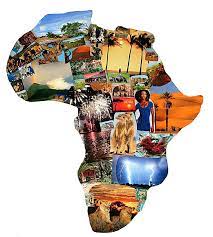
Preserving African Heritage: A Multifaceted Approach to Cultural Sustainability
Updated at: 2025-06-01 11:48:25 (10 months ago by Melkisedeck Leon Shine)
```htmlThis article explores strategies for preserving African cultural heritage, focusing on the application of relevant theories and models to ensure effective implementation. Key concepts include cultural preservation (the active safeguarding of cultural traditions, practices, and artifacts), sustainable development (development that meets the needs of the present without compromising the ability of future generations to meet their own needs), and cultural tourism (tourism that focuses on experiencing and learning about the culture of a destination).
The preservation of African cultural heritage is paramount for maintaining societal identity and fostering sustainable development. Applying the principles of diffusion of innovations, we can accelerate the adoption of sustainable building practices. By embracing traditional techniques using locally sourced materials like mud, thatch, and stone, we not only honor ancestral knowledge but also minimize environmental impact, aligning with principles of eco-tourism. This approach reduces reliance on unsustainable imported materials, promoting economic self-sufficiency within communities. The economic benefits of promoting local craftsmanship and materials are supported by the theory of comparative advantage, demonstrating the economic viability of cultural preservation.
Establishing cultural centers, guided by the principles of community development, acts as a crucial strategy. These centers should not only showcase art and artifacts but also serve as educational hubs, offering workshops and training programs that empower local communities. The establishment and effective management of these centers require a strong understanding of organizational behavior and effective leadership, ensuring long-term sustainability. Documenting oral histories through digital archiving β a powerful application of digital humanities β ensures the preservation of invaluable cultural knowledge for future generations. This is a core element of the UNESCO Memory of the World Programme's broader aims.
Promoting local art and crafts through targeted marketing campaigns, using insights from marketing management theories, creates sustainable livelihoods for artisans and promotes cultural heritage simultaneously. The integration of African history, traditions, and languages into educational curricula, grounded in the principles of cultural competency in education, fosters cultural identity and pride in future generations. This aligns with the concept of human capital development, emphasizing the importance of education for individual and societal growth.
Preserving historical sites, applying principles of heritage management, requires not only restoration but also sustainable tourism practices. Employing stakeholder analysis helps ensure the involvement of local communities in the preservation process. Moreover, cultural exchange programs, following models of international relations theory, promote understanding and collaboration among African nations, strengthening cultural bonds. This approach, aligned with principles of cultural diplomacy, can also drive economic growth through tourism.
The utilization of technology, drawing from concepts of digital preservation, allows for the dissemination of cultural heritage on a global scale. Social media platforms and online archives can reach wider audiences, fostering intercultural dialogue and understanding. Engaging youth through interactive initiatives leverages their creativity and ensures the continuity of cultural preservation efforts. This participatory approach aligns with the theory of social capital, emphasizing the strength of collective efforts in achieving common goals.
The preservation of African cultural heritage requires a multi-faceted approach integrating sustainable practices, community engagement, educational initiatives, and technological innovation. Recommendations include increased investment in cultural infrastructure, development of culturally sensitive tourism strategies, implementation of comprehensive digital archiving projects, and the creation of national strategies for cultural heritage management, informed by a thorough analysis of stakeholders and their needs (stakeholder theory). This approach is pivotal for building a sustainable future that recognizes the economic and social value of cultural heritage. Further research should focus on comparative studies across different African nations to identify best practices and challenges in cultural preservation, particularly focusing on the efficacy of different funding models and their impact on sustainable development. By effectively managing and preserving African cultural heritage, the continent can leverage its rich cultural assets to foster economic growth, build stronger communities, and create a vibrant, unified future.
Reader Pool: What innovative strategies, drawing upon interdisciplinary approaches, could further enhance the preservation and promotion of African cultural heritage in the face of globalization and technological advancements?
```
Updated at: 2025-05-21 11:40:20 (10 months ago by Melkisedeck Leon Shine)
The preservation of African cultural heritage is paramount, representing not merely a collection of artifacts but the very essence of African identity, history, and future. This article explores a comprehensive strategy for safeguarding this invaluable legacy through the strategic application of digital technologies, drawing upon relevant theories and models in cultural preservation and digital humanities. Key concepts underpinning this approach include digital preservation (the use of technology to ensure long-term access to cultural materials), cultural heritage management (the systematic process of identifying, documenting, preserving, and promoting cultural assets), and community engagement (active involvement of local communities in preservation efforts).
1. Establishing Comprehensive Digital Archives: The creation of centralized digital archives is fundamental. This leverages the principles of systematic archival practice, organizing and cataloging digital assets (photographs, audio recordings, videos, texts, etc.) using metadata schemas compliant with international standards such as Dublin Core or PREMIS. This ensures findability, accessibility, interoperability, and preservation (FAIR principles) of the cultural heritage. Real-world examples include the creation of national digital repositories specific to African languages and traditions. This addresses the challenges of scattered documentation and ensures long-term accessibility.
2. Strategic Youth Engagement and Capacity Building: Investing in youth is crucial. This aligns with the principles of sustainability in cultural heritage management, ensuring that future generations possess the skills and commitment needed for ongoing preservation. This involves training programs focusing on digital literacy, archival techniques, and digital storytelling, fostering a sense of ownership and responsibility among young people through participatory documentation projects. This empowers the youth and builds local expertise.
3. Leveraging Immersive Technologies for Accessibility and Engagement: The application of virtual reality (VR) and augmented reality (AR) technologies offers innovative opportunities. This harnesses the power of experiential learning, allowing global audiences to engage with African cultural heritage in immersive and interactive ways. This includes virtual tours of historical sites, interactive simulations of traditional practices, and 3D models of artifacts. This increases accessibility and fosters greater understanding and appreciation.
4. Preservation of Oral Traditions through Digital Recording and Transcription: The documentation of oral traditions, a core element of African cultures, is vital. This applies principles of ethnographic documentation, using digital audio and video recording, combined with transcription and translation services to ensure preservation and accessibility of these dynamic cultural expressions. This requires careful consideration of ethical protocols related to indigenous knowledge and intellectual property.
5. Fostering Collaboration and Partnerships: Collaboration with educational institutions, museums, international organizations, and community groups is essential. This is predicated on the collaborative preservation model, bringing together diverse expertise and resources for a more effective and comprehensive approach. Joint research projects, educational programs, and resource sharing initiatives are key components of this collaborative ecosystem.
6. Community-Based Documentation and Crowdsourcing Initiatives: Engaging local communities through participatory methods is crucial. This utilizes the principles of community-based participatory research (CBPR), empowering community members to actively document their own heritage, fostering a sense of ownership and promoting cultural pride. Crowdsourcing platforms can assist in identifying, cataloging, and preserving dispersed cultural materials.
7. Protecting Intellectual Property Rights and Ensuring Ethical Practices: The ethical implications of digitization must be addressed proactively. This aligns with the principles of ethical cultural heritage management, respecting intellectual property rights, obtaining informed consent from communities, and ensuring equitable benefit-sharing. Clear guidelines and policies regarding the use and dissemination of digital materials are essential.
8. Harnessing the Power of Digital Storytelling and Content Creation: The use of digital platforms (websites, social media, apps) enables innovative storytelling approaches. This integrates principles of digital storytelling, using various media formats to communicate cultural narratives, engaging wider audiences, and counteracting stereotypical representations. This fosters a greater understanding and appreciation of the richness and diversity of African cultures.
9. Promoting Cultural Tourism and Exchange: Digital platforms can be used to promote cultural tourism and facilitate cross-cultural dialogue. This aligns with the sustainable tourism model, generating economic benefits for communities while fostering respect for cultural heritage. Virtual tours, interactive maps, and online booking systems can enhance the tourism experience.
10. Developing and Implementing Comprehensive Training Programs: Equipping individuals with the necessary skills is crucial. This applies the principles of capacity building, offering training programs on digital preservation techniques, archival practices, and ethical considerations. This ensures the long-term sustainability of preservation efforts.
11. Integration with Educational Curricula: The integration of African cultural heritage into educational curricula is essential. This aligns with principles of cultural education, fostering a deeper understanding and appreciation of African cultures among younger generations and promoting cultural pride. This approach ensures that knowledge is transmitted across generations.
Conclusion and Recommendations: The digital preservation of African cultural heritage is a complex but achievable goal. By adopting a multifaceted strategy that integrates technological advancements, community engagement, ethical practices, and collaborative partnerships, we can ensure that this invaluable legacy is safeguarded for generations to come. Further research should focus on developing innovative digital tools tailored to the specific needs of diverse African communities, evaluating the effectiveness of different digital preservation strategies, and addressing the ethical challenges related to the access and use of indigenous knowledge. The long-term impact of these efforts will be significant, not only preserving cultural heritage but also empowering communities, fostering economic growth, and promoting intercultural understanding. The success of this endeavor hinges upon collective action and a commitment to safeguarding Africaβs rich cultural tapestry.
Reader Pool: What are the most significant challenges and opportunities presented by the application of digital technologies in the preservation of diverse cultural heritage within the African context?
Updated at: 2025-02-20 11:48:05 (1 year ago by Melkisedeck Leon Shine)
```Across the diverse landscapes of Africa, a rich tapestry of cultural heritage, woven from threads of ancient wisdom passed down through countless generations, thrives. This legacy, reflecting the resilience, creativity, and beauty inherent in African societies, faces the complexities of the modern world. Preserving and nurturing this invaluable heritage for future generations demands a proactive and strategic approachβa collective responsibility for all Africans.
The following fifteen strategies offer a roadmap for safeguarding this precious legacy and ensuring its enduring presence:
The preservation of African cultural heritage is not merely a possibility but a necessity for the collective identity and future prosperity of the continent. By embracing these strategies with unwavering commitment, we can collectively ensure that the wisdom and beauty of Africa's heritage continue to inspire and enrich generations to come. Join us in this vital endeavor.
We invite you to share your personal experiences and initiatives in preserving African culture and heritage. Let us learn from one another and inspire a collective movement to safeguard our shared legacy. Share this article widely to amplify the message of preserving African heritage and fostering a unified, vibrant continent. #PreserveAfricanHeritage #AfricanUnity #CulturalDiversity #AfricanPride
```
Updated at: 2025-07-12 10:23:45 (9 months ago by Melkisedeck Leon Shine)
```htmlAfrica's cultural heritage constitutes a multifaceted and invaluable asset, representing a rich tapestry of traditions, languages, art forms, music, and dance that have evolved over millennia. This heritage serves as a cornerstone of African identity and a vital link to the past. However, the pressures of globalization, modernization, and socio-economic shifts pose significant threats to its survival. Addressing these challenges demands a proactive and collaborative approach that empowers artists, communities, and institutions to safeguard this legacy for future generations. Preservation is not merely about maintaining artifacts; it's about actively ensuring the transmission of knowledge, skills, and values that define African cultures.
To effectively preserve and promote Africa's cultural heritage, a multi-pronged strategy is essential. This involves a synthesis of grassroots initiatives, technological advancements, policy interventions, and international collaborations. The following fifteen strategies, grounded in principles of cultural sustainability and community empowerment, provide a framework for action:
Invigorating Oral Traditions through Digital Storytelling and Archiving: Oral traditions, including storytelling, poetry, and ancestral knowledge, represent a crucial repository of cultural memory and historical understanding. To revitalize these traditions, integrate digital storytelling techniques and create accessible online archives. Leveraging technology allows for wider dissemination and engagement, particularly among younger generations. Consider implementing the UNESCO Convention for the Safeguarding of the Intangible Cultural Heritage principles by actively involving communities in the documentation and preservation process.
Promoting Economic Viability for Local Artisans: Support for local artisans is crucial for safeguarding traditional skills and artistic expressions. This can be achieved through direct investment in art and craft production, establishment of fair-trade markets, and promotion of cultural tourism. Emphasizing sustainable economic practices ensures that cultural preservation contributes to community development and empowerment. The concept of creative economy becomes relevant here, where cultural assets are leveraged for economic growth.
Establishing Comprehensive Cultural Documentation and Archiving Systems: The meticulous documentation of traditional ceremonies, rituals, and dances is essential for preserving cultural knowledge. This involves creating comprehensive archives using both physical and digital formats, ensuring accessibility for researchers, educators, and the general public. Employing metadata standards and best practices in archival management guarantees the longevity and discoverability of these resources. Furthermore, collaborate with indigenous knowledge holders to ensure accurate and respectful representation.
Creating Dynamic Cultural Hubs and Community Centers: Dedicated cultural centers serve as vital spaces for fostering artistic expression, knowledge exchange, and community engagement. These hubs should provide platforms for artists, historians, and community members to collaborate, learn, and celebrate their shared heritage. Implementing participatory design principles ensures that these centers meet the needs and reflect the values of the communities they serve. These spaces could incorporate elements of placemaking to encourage community ownership and identity.
Fostering Cross-Disciplinary Artistic Collaborations: Encouraging collaborations between artists from diverse disciplines β music, visual arts, literature, performing arts β can lead to innovative and impactful artistic expressions. This interdisciplinary approach enriches cultural heritage by creating new interpretations and adaptations of traditional forms. Implement residency programs and collaborative projects that encourage experimentation and cross-cultural dialogue, possibly based on the Systems Thinking Approach to understand the broader implications of art.
Leveraging Technology for Expanded Reach and Engagement: Digital platforms, online archives, interactive websites, and virtual exhibitions offer powerful tools for expanding the reach and accessibility of African cultural heritage. By harnessing technology, we can connect with global audiences and foster a wider appreciation of its significance. The use of Augmented Reality (AR) and Virtual Reality (VR) can provide immersive experiences that bring cultural heritage to life for remote audiences. Consider implementing multilingual interfaces to cater to diverse linguistic communities.
Facilitating Global Cultural Exchange Programs: Collaborations between African and international artists promote mutual understanding and appreciation, enriching both cultures through shared experiences and artistic dialogues. These exchange programs can foster cross-cultural learning and innovation, creating a vibrant global artistic landscape. Ensure that these collaborations are reciprocal and equitable, respecting the cultural integrity of all participants. The Transculturation model provides a useful framework for understanding cultural exchange processes.
Integrating Cultural Heritage into Education: Incorporating African history, art, and culture into school curricula ensures that future generations are knowledgeable about, engaged with, and proud of their heritage. This fosters a strong sense of cultural identity, belonging, and appreciation. Develop culturally relevant teaching materials and train educators to effectively deliver this content. Emphasize critical thinking skills to encourage students to analyze and interpret cultural heritage from multiple perspectives.
Safeguarding Endangered African Languages: Supporting initiatives dedicated to documenting and revitalizing endangered African languages is crucial, as these languages are integral to cultural identity and knowledge systems. Develop language learning resources, support language nests and immersion programs, and promote the use of African languages in media and public life. Collaborate with linguists and community members to create comprehensive language documentation projects. Applying principles of linguistic relativity helps understanding how language shapes thought and culture.
Organizing and Promoting Cultural Festivals and Celebrations: Cultural festivals showcase the diversity of African cultures, fostering unity, pride, and a shared sense of heritage. These events can also promote cultural tourism and contribute to economic growth. Ensure that festivals are inclusive and representative of diverse communities. Utilize festivals as platforms for education and cultural exchange, showcasing both traditional and contemporary expressions.
Prioritizing Community-Driven Preservation Approaches: Active community involvement in cultural preservation initiatives ensures that local voices, traditions, and perspectives are respected and accurately reflected. This involves engaging community members in decision-making processes, providing training and resources, and empowering them to lead preservation efforts. Employing a Participatory Action Research (PAR) approach can ensure that research and preservation efforts are aligned with community needs and priorities.
Adopting Global Best Practices in Cultural Heritage Management: Studying successful cultural preservation models from other nations, such as Japan's Intangible Cultural Heritage program or Italy's preservation of historical sites, offers valuable insights and effective strategies adaptable to the African context. Analyze these models to identify key principles and practices that can be applied to the African context. Engage in international collaborations to share knowledge and expertise in cultural heritage management. The Benchmarking system provides an effective way to measure progress.
Drawing Inspiration from Pan-African Leaders: The wisdom and vision of Pan-African leaders serve as a powerful reminder of the importance of preserving cultural heritage as a link to the past. Their words can inspire continued dedication and action. Integrate their philosophies into cultural preservation initiatives, using their legacy to promote cultural pride and unity. Incorporating the principles of Ubuntu can create projects that benefit the community.
Advocating for Strong Political Support and Sustainable Funding: Advocating for policies and legislation that protect and promote African culture acknowledges its role in national development and secures its long-term future. This ensures sustained government investment and support for cultural preservation initiatives. Develop compelling arguments that demonstrate the economic, social, and cultural benefits of investing in cultural heritage. Establishing a Sovereign Wealth Fund dedicated to cultural preservation would ensure long term financial resources.
Fostering Unity for Cultural Heritage Preservation: Collective action, a unified vision, and collaborative efforts amplify the strength, enabling more effective cultural preservation and shared prosperity across the continent. This fosters a spirit of pan-Africanism and unity. Establish networks and partnerships between cultural organizations, government agencies, and international institutions. Promote knowledge sharing and collaboration to address common challenges. This calls for the integration of a Knowledge Management System.
In conclusion, the preservation of Africa's cultural heritage is a complex and multifaceted endeavor that requires a concerted effort from individuals, communities, governments, and international organizations. By embracing the collaborative strategies outlined above, we can ensure that Africa's rich cultural legacy endures for generations to come.
Conclusions and Recommendations: The discussed strategies provide a strong framework for cultural heritage preservation in Africa, however, their successful implementation hinges on several key factors. Firstly, it is imperative to foster a sense of ownership and responsibility among local communities, empowering them to actively participate in preservation efforts. Secondly, governments must prioritize cultural heritage in national development plans, allocating adequate resources and enacting supportive legislation. Thirdly, technological advancements should be strategically leveraged to enhance documentation, accessibility, and engagement with cultural heritage. Lastly, fostering international collaborations and knowledge sharing can provide valuable insights and resources. General conclusions suggest that a holistic approach integrating cultural preservation with economic development and community empowerment is most effective.
Recommendations for future action include conducting comprehensive assessments of cultural heritage assets, developing national strategies for cultural preservation, establishing training programs for cultural heritage professionals, and promoting cultural tourism as a sustainable source of revenue. Furthermore, research is needed to explore the impact of globalization on African cultures and to develop innovative strategies for mitigating negative effects. The establishment of a pan-African cultural heritage fund could provide a sustainable source of funding for preservation efforts. Finally, further research is needed to understand the role of digital technologies in preserving and promoting cultural heritage. By implementing these recommendations, Africa can safeguard its invaluable cultural heritage for generations to come.
Share this article to raise awareness about the importance of preserving African cultural heritage! #PreserveAfricanCulture #UnitedAfrica #CulturalHeritageMatters
Reader Pool: What innovative strategies can be employed to engage younger generations in the preservation and promotion of African cultural heritage in the digital age?
```
Updated at: 2025-05-12 13:54:41 (11 months ago by Melkisedeck Leon Shine)
This article examines the critical need for the preservation of African culture and heritage, exploring strategies for its continuity across generations. We will define key concepts, such as cultural heritage (the tangible and intangible aspects of a society's past and present, including artifacts, traditions, and values), cultural transmission (the process by which cultural knowledge and practices are passed from one generation to the next), and pan-Africanism (the ideology promoting the solidarity and unity of African people). The application of relevant theories, including diffusion of innovation theory and social capital theory, will frame the discussion. The ultimate aim is to foster a deeper understanding of the interconnectedness of cultural preservation and the aspiration for a unified Africa.
1. Curriculum Integration and Cultural Transmission: Educational institutions are pivotal in fostering cultural transmission. Integrating African history, languages, and traditions into the curriculum cultivates cultural pride and identity among youth. This aligns with the concept of cultural capital, where knowledge of one's heritage becomes a valuable resource for social mobility and empowerment. The successful implementation of this strategy requires teacher training programs emphasizing culturally responsive pedagogy. Furthermore, utilizing culturally relevant teaching materials is essential to ensure effective knowledge transfer and engagement.
2. Cultural Festivals and the Diffusion of Innovation: Cultural festivals serve as dynamic platforms for showcasing and celebrating the continent's diverse cultural heritage. These events act as catalysts for the diffusion of innovation, spreading cultural practices and fostering cross-cultural understanding among diverse communities. The design and implementation of such festivals should leverage the principles of diffusion of innovation to maximize their reach and impact, focusing on opinion leaders and early adopters within different communities. Careful consideration should be given to marketing and communication strategies to ensure broad community engagement.
3. Digital Preservation and Archiving: Utilizing digital technologies for the documentation and preservation of cultural practices, languages, and traditions creates accessible archives for future generations. This strategy aligns with the concept of digital humanities, leveraging technology to enhance cultural preservation efforts. Furthermore, the development of user-friendly digital platforms, accessible through various technological mediums, will make cultural heritage more accessible to both local communities and the global community.
4. Community Engagement and Social Capital: Active community involvement is crucial in preserving cultural heritage. The mobilization of local communities empowers individuals to take ownership of their traditions and participate in their safeguarding. This relates to the concept of social capital, leveraging community networks and collective action to achieve shared goals. This approach requires participatory community-based planning models emphasizing local ownership and decision-making.
5. Intergenerational Dialogue and Knowledge Transfer: Facilitating dialogue between elders and younger generations establishes a vital link between cultural memory and contemporary relevance. This fosters mutual understanding and facilitates the seamless transfer of traditional knowledge, skills, and values, aligning with the principles of intergenerational learning. Structured mentorship programs pairing elders with younger community members could successfully enhance this process.
6. Cultural Entrepreneurship and Economic Sustainability: Supporting African artists, artisans, and entrepreneurs who promote cultural heritage generates economic opportunities and ensures the long-term sustainability of cultural practices. This economic dimension is critical to ensuring the viability of cultural preservation efforts. Governmental support, micro-financing initiatives, and investment in cultural tourism can help boost this sector's economic viability.
7. Preservation of Oral Traditions: Oral traditions, including storytelling, proverbs, and folktales, constitute a rich repository of cultural knowledge. Documenting and archiving these traditions through audio and video recordings protects this intangible heritage for posterity and strengthens cultural memory. This process requires employing methodologies for oral history collection, ensuring accuracy and contextual understanding.
8. Strengthening Museums and Galleries: Museums and galleries act as significant repositories of cultural heritage. Investing in their development, enhancing their infrastructure, and employing qualified staff creates platforms for showcasing and interpreting African art and artifacts to broader audiences. This requires collaborative partnerships between governmental and private institutions.
9. Promoting Cross-Cultural Exchange: Facilitating exchanges between different African nations fosters unity, understanding, and appreciation for the continent's cultural diversity. These exchanges create networks of collaboration and shared learning that benefit all participating nations. Governmental support and funding for such programs are essential to their success.
10. Revitalizing African Languages: African languages are integral to cultural identity. Their preservation through education, media, and community use is vital. Linguistic revitalization programs, integrating language learning into education and media, will ensure the long-term vitality of African languages.
11. Supporting Traditional Healing Practices: Traditional healing practices represent significant facets of African culture. Their integration into healthcare systems and their recognition as valuable cultural assets ensures their preservation and respects their legacy. This integration requires bridging the gap between traditional and modern healthcare, creating a system that supports both and recognizes their distinct values.
12. Protecting Historical Sites: Preserving historical sites of cultural significance is vital for the transmission of cultural memory. Appropriate conservation efforts and their integration into tourism strategies can create valuable cultural resources while providing economic benefits for the surrounding communities.
13. Enhancing Interdisciplinary Research: Interdisciplinary research examining the connections between history, culture, and contemporary African societies can inform effective strategies for cultural preservation. This involves collaboration between historians, anthropologists, sociologists, and other relevant disciplines to provide comprehensive insights.
14. Advocating for Strong Leadership and Governance: Leaders must prioritize cultural heritage preservation within national policies and strategies, ensuring long-term sustainability. This requires integrating cultural preservation into national development plans and allocating appropriate resources to cultural institutions.
15. Promoting Pan-African Unity: Pan-African collaborations on cultural preservation pool resources, expertise, and efforts, strengthening the collective ability to safeguard African heritage for future generations. This approach requires establishing regional and continental platforms for cooperation and knowledge exchange.
The preservation of African cultural heritage is a multifaceted endeavor requiring a holistic approach. By integrating the strategies outlined aboveβdrawing on diverse theoretical frameworks and focusing on community engagement, technological innovation, and strong leadershipβwe can ensure the continuity of African culture across generations. Further research should focus on developing effective metrics for evaluating the success of cultural preservation initiatives, exploring the role of technology in promoting inclusive access to cultural heritage, and investigating innovative strategies for fostering economic sustainability within the cultural sector. The ultimate goal is not merely to preserve the past, but to empower present and future generations to actively engage with and build upon the rich tapestry of African cultural heritage, fostering a vibrant and thriving future for the African continent. The achievement of pan-African unity through collaborative cultural preservation efforts will be a significant step towards creating a prosperous and culturally rich future for all.
Reader Pool: What are the most significant challenges to implementing these cultural preservation strategies across the diverse contexts of the African continent, and how can these challenges be effectively addressed?
Updated at: 2025-05-15 11:56:12 (10 months ago by Melkisedeck Leon Shine)
African cultural heritage, encompassing traditions, languages, art forms, and rituals, constitutes a fundamental aspect of the continent's identity. This heritage is not merely a collection of artifacts; it represents a dynamic system of knowledge transmission, social cohesion, and economic development. Understanding and effectively preserving this heritage requires a multi-faceted approach, drawing upon concepts from various fields such as anthropology (cultural transmission theory), sociology (social capital theory), and economics (sustainable development principles). This article will explore fifteen key strategies for cultural preservation, emphasizing the crucial role of community engagement.
Conclusions and Recommendations: Preserving African cultural heritage is not merely a nostalgic endeavor; it is a vital process for sustainable development and social cohesion. A community-based approach, informed by relevant theories and models from various disciplines, is crucial for the effective safeguarding of this rich heritage. Future research should focus on measuring the impact of these strategies on community wellbeing and developing innovative strategies for addressing the challenges posed by globalization and technological change. Furthermore, strengthening international collaborations and supporting local communities financially and logistically is essential for the long-term success of cultural preservation initiatives. The establishment of a pan-African network for cultural preservation, facilitating information sharing and resource mobilization, would significantly enhance efforts to protect and promote African cultural heritage. Effective policy interventions by governments are needed to ensure adequate funding, legal protection, and awareness-raising programs.
Reader Pool: What are the most effective strategies for ensuring the long-term sustainability of community-based cultural preservation initiatives in the face of rapid societal change?
Updated at: 2023-08-11 21:24:22 (2 years ago by Melkisedeck Leon Shine)
Preserving Cultural Spaces: Community Centers and African Heritage π
As Africans, it is our sacred duty to preserve our rich cultural heritage for future generations. Our traditions, languages, art, and history carry the essence of who we are as a people. In order to ensure the survival and thriving of African culture, we must embrace strategies of preservation that will keep our traditions alive. Let us explore some of these strategies together!
1οΈβ£ Establish Community Centers: Community centers play a crucial role in preserving African culture. These spaces can serve as hubs for cultural activities, workshops, and exhibitions. They provide a platform for artists, musicians, and scholars to showcase their work and educate the younger generation about our heritage.
2οΈβ£ Document Oral History: Our traditions have been passed down through generations through oral storytelling. It is essential to document these stories, legends, and myths as a way to preserve our cultural identity. Recording interviews with elders and creating archives will ensure that these narratives are not lost.
3οΈβ£ Celebrate African Festivals: Our festivals are a vibrant display of our culture and traditions. By organizing and participating in these celebrations, we keep our heritage alive. Whether it is the Ogun Festival in Nigeria, the Timkat Festival in Ethiopia, or the Kwanzaa celebration in the United States, these events are opportunities to showcase our rich cultural diversity.
4οΈβ£ Promote Arts and Crafts: Our art and crafts are expressions of our cultural heritage. By supporting local artisans and encouraging the creation and sale of traditional crafts, we can preserve our cultural practices. Organizations such as the Maasai Women's Cooperative in Kenya are excellent examples of initiatives that promote traditional craftsmanship.
5οΈβ£ Preserve Sacred Sites: Our sacred sites hold deep cultural and spiritual significance. It is our responsibility to protect these spaces from destruction and degradation. By working together with local communities, governments, and international organizations, we can ensure the preservation of these important cultural landscapes.
6οΈβ£ Invest in Education: Education is the key to preserving our cultural heritage. By integrating African history, languages, and traditions into the curriculum, we can instill a sense of pride and belonging in the younger generation. This will enable them to carry forward our cultural legacy.
7οΈβ£ Foster Cultural Exchange: Interactions with other cultures can enrich our own. By participating in cultural exchanges and promoting dialogue with other communities, we can learn from each other and strengthen our own cultural identity.
8οΈβ£ Support Traditional Music and Dance: Music and dance are integral parts of African culture. By supporting local musicians and dancers, we ensure the continuation of these art forms. Establishing music schools and dance academies will provide opportunities for young talent to hone their skills.
9οΈβ£ Preserve Indigenous Languages: Language is the vehicle through which culture is transmitted. By actively preserving and promoting indigenous languages, we preserve our cultural heritage. Initiatives like the Pan South African Language Board in South Africa work towards revitalizing indigenous languages.
π Develop Cultural Tourism: Cultural tourism can be a powerful tool for preserving African heritage. By showcasing our cultural sites, traditions, and practices to visitors, we create awareness and generate economic opportunities for local communities.
1οΈβ£1οΈβ£ Restore Historical Monuments: Historical monuments are a testament to our rich past. Restoring and maintaining these landmarks is crucial for preserving our cultural heritage. The Great Zimbabwe ruins in Zimbabwe and the Pyramids of Giza in Egypt stand as proud symbols of African civilization.
1οΈβ£2οΈβ£ Embrace Technology: Technology can play a significant role in preserving our cultural heritage. Digitization of cultural artifacts, virtual reality experiences, and online platforms can help reach wider audiences and ensure the accessibility of our heritage.
1οΈβ£3οΈβ£ Engage the Diaspora: The African diaspora holds a vital connection to our culture and heritage. By engaging with our brothers and sisters abroad, we can strengthen our cultural bonds and create a global network of African pride and unity.
1οΈβ£4οΈβ£ Strengthen Pan-African Organizations: Organizations such as the African Union and the African Cultural Renaissance Foundation are essential in promoting African unity and preserving our cultural heritage. Let us support and actively engage with these institutions to amplify our collective voice.
1οΈβ£5οΈβ£ Inspire Future Generations: Our greatest strength lies in our youth. By inspiring and empowering the next generation through education, mentorship, and opportunities to participate in cultural activities, we ensure the preservation of our African heritage for years to come.
β¨ As we embark on this journey of preserving our cultural spaces, we must remember that unity is key. Let us embrace our shared identity as Africans and work towards the creation of Muungano wa Mataifa ya Afrika, the United States of Africa. Together, we can build a future where our cultural heritage thrives, and our continent shines bright with the richness of its diversity. ππ
Updated at: 2025-05-16 13:55:37 (10 months ago by Melkisedeck Leon Shine)
This article explores the multifaceted role of dance in preserving African culture and proposes a comprehensive strategy for safeguarding this invaluable heritage. We will define key concepts such as cultural preservation, cultural transmission, and cultural capital to frame the discussion. Cultural preservation refers to the active efforts to maintain and protect cultural elements from degradation or loss. Cultural transmission encompasses the processes through which cultural knowledge, values, and practices are passed from one generation to the next. Cultural capital represents the symbolic and material resources associated with cultural identity, contributing to social status and power. The following strategies, informed by theories of social constructivism, community-based participatory research, and diffusion of innovation, offer a roadmap towards effective cultural preservation initiatives.
1. Systematic Documentation of Oral Traditions and Performing Arts: Recognizing the centrality of oral history in African societies, comprehensive documentation efforts are crucial. This involves employing ethnographic methods, including audio-visual recordings and detailed transcriptions, to capture narratives, songs, and dance sequences. This process aligns with the principles of archival practice and digital humanities, ensuring accessibility and longevity. The utilization of digital platforms and archives expands the reach of cultural heritage beyond geographical limitations, maximizing its preservation and accessibility. This approach addresses the potential loss of intangible cultural heritage through the systematic and rigorous application of established research methods.
2. Intergenerational Knowledge Transfer and Mentorship Programs: The transmission of cultural knowledge relies heavily on the experience and wisdom of elders. Formal and informal mentorship programs, guided by principles of experiential learning and community-based participatory research, should be established. These programs provide structured opportunities for intergenerational dialogue and knowledge exchange, empowering younger generations to become active custodians of their cultural heritage. This approach leverages the social capital embedded within communities and fosters a sense of ownership and responsibility amongst younger generations.
3. Strengthening Cultural Institutions and Infrastructure: Museums, cultural centers, and archives serve as vital repositories of cultural heritage. Investing in their infrastructure, enhancing their capacity for preservation and research, and promoting public engagement is essential. These institutions can serve as focal points for community-based cultural activities, promoting both conservation and accessibility. This builds on the concept of institutional isomorphism, aligning structures and practices to support cultural preservation goals.
4. Integration of Cultural Education into Formal Curricula: The inclusion of African cultural studies in educational curricula, from primary to tertiary levels, is paramount. This approach instills a deep appreciation for cultural heritage from an early age, promoting cultural pride and identity. Employing culturally relevant pedagogical approaches helps facilitate effective learning and engagement, aligning with principles of culturally responsive teaching.
5. Promotion of Artistic Expression and Cultural Entrepreneurship: Supporting and fostering artistic expression, particularly traditional dances and music, is vital. This can be achieved through funding initiatives, arts festivals, and the development of cultural entrepreneurship programs. This approach not only preserves cultural practices but also empowers artists and communities economically. This strategy aligns with the concepts of creative industries and cultural economics.
6. Community-Based Cultural Preservation Initiatives: The active engagement of local communities in cultural preservation is critical. This necessitates the creation of participatory projects, such as dance workshops, festivals, and collaborative art projects, designed to strengthen cultural identity and collective efficacy. This aligns with community development principles and promotes social cohesion.
7. Transnational Collaboration and Knowledge Sharing: Facilitating collaboration between African nations and the diaspora strengthens cultural preservation efforts. This involves establishing networks for knowledge exchange, collaborative research projects, and joint cultural initiatives. This strategy harnesses the power of social networks and global collaborations, leveraging the resources and expertise of a wider community.
8. Strategic Use of Technology for Cultural Preservation and Dissemination: The digital age provides powerful tools for cultural preservation. Utilizing digital platforms to document, archive, and share cultural expressions with global audiences maximizes accessibility and ensures longevity. This leverages the potential of digital technologies for cultural heritage preservation, while addressing issues of digital equity and accessibility.
9. Advocacy and Policy Development: Advocating for policies that protect cultural heritage and support cultural preservation initiatives is vital. This involves lobbying for legislation, funding initiatives, and cultural protection strategies, demonstrating the importance of cultural preservation in national development. This is consistent with the principles of public policy and advocacy for cultural rights.
10. Empowering African Voices and Leadership: Promoting and amplifying the voices of African leaders, artists, and cultural practitioners strengthens collective efforts for cultural preservation. This involves creating platforms for their participation in decision-making processes and facilitating knowledge exchange. This approach fosters cultural leadership and empowers communities to shape their cultural narratives.
Conclusions and Recommendations: The preservation of African cultural heritage is not merely a matter of historical preservation; it is essential for fostering cultural identity, social cohesion, and sustainable development. The strategies outlined above, grounded in robust theoretical frameworks and empirical evidence, offer a comprehensive approach to safeguarding this invaluable heritage. Future research should focus on developing culturally sensitive methodologies for data collection and analysis, exploring innovative technologies for heritage preservation, and assessing the long-term impact of various cultural preservation interventions. The success of these initiatives hinges on collaborative efforts, effective resource allocation, and a deep commitment to empowering African communities to be the primary custodians of their own cultural heritage. The establishment of a pan-African network for cultural preservation, facilitating the exchange of best practices and resources, would significantly enhance the impact of these efforts.
Reader Pool: Considering the multifaceted challenges in preserving African cultural heritage within rapidly evolving global contexts, what innovative strategies would you propose to enhance the long-term viability and sustainability of these preservation efforts?
Updated at: 2025-02-24 22:42:44 (1 year ago by Melkisedeck Leon Shine)
The vibrant tapestry of African culture, rich in history, tradition, and values, forms the very essence of our identity as a continent. While museums play a vital role in showcasing this heritage, a broader, more inclusive approach is needed. Public spaces offer unparalleled opportunities to celebrate our shared African identity, fostering unity across our diverse nations. This isn't merely about preservation; it's about active celebration and revitalization.
This article outlines fifteen actionable strategies to bring the spirit of Africa to the heart of our communities, transforming public spaces into living testaments to our rich heritage. These are not isolated initiatives, but interconnected elements of a larger movement toward cultural revitalization and pride.
1. Fostering Vibrant Cultural Festivals: Organize engaging festivals that showcase the multifaceted nature of African culture. Music, dance, cuisine, and art should all take center stage, creating memorable experiences for locals and tourists alike. These events serve as powerful platforms for community building and shared cultural experiences.
2. Enriching Cultural Exchanges: Facilitating cultural exchange programs between African nations is essential. This reciprocal learning process strengthens bonds, promotes understanding, and enriches the cultural landscape of participating communities. The sharing of traditions fosters a sense of unity and shared identity.
3. Creating Open-Air Galleries: Transforming underutilized public spaces into open-air art galleries provides a dynamic platform for local artists. Showcasing artwork inspired by African culture and heritage makes art accessible to everyone, enriching the public realm and fostering appreciation for artistic expression.
4. Celebrating Street Performances: Support and promote street performers who showcase traditional African music, dance, and storytelling. These spontaneous performances infuse public spaces with life and energy, offering engaging encounters with the heart of African culture for all passersby.
5. Protecting Historical Landmarks: The preservation of historical landmarksβancient ruins, traditional villages, and sacred sitesβis paramount. These locations serve as tangible links to our past, offering invaluable insights into the evolution of African societies and traditions.
6. Integrating Cultural Education: Integrating African cultural education into school curricula is crucial for ensuring that future generations understand and appreciate their heritage. This fosters a sense of belonging and pride in their cultural identity.
7. Preserving Oral Histories: Actively recording and preserving oral histories is essential. The stories and wisdom of elders represent a vital link to the past, offering rich perspectives and insights that would otherwise be lost.
8. Establishing Cultural Archives: Creating dedicated archives and libraries for documenting African cultureβincluding traditional practices, art forms, and languagesβis crucial for long-term preservation and accessibility. This ensures the continued availability of cultural knowledge for future generations.
9. Developing Community Cultural Centers: Establishing community centers focused on preserving and celebrating African culture provides a central hub for activities. These centers can offer classes, workshops, and cultural events catering to all ages, strengthening community bonds.
10. Promoting Sustainable Cultural Tourism: Developing sustainable tourism initiatives that highlight African cultural heritage offers economic opportunities while preserving the authenticity of traditions. This creates a responsible and mutually beneficial approach to tourism.
11. Commissioning Public Art Installations: Commissioning public art installations that reflect African heritage adds layers of meaning and beauty to our shared spaces. These works can stimulate dialogue, provoke thought, and promote a deeper understanding of African culture.
12. Organizing Cultural Expositions: Hosting exhibitions that showcase various aspects of African cultureβtraditional crafts, fashion, and cuisineβoffers captivating and engaging experiences that promote cultural pride and understanding.
13. Championing Indigenous Language Preservation: Supporting initiatives dedicated to the preservation and use of indigenous African languages is vital. These languages represent the heart of our cultural identities and should be protected for future generations.
14. Leveraging Digital Platforms: Utilizing digital platforms to create virtual spaces for celebrating African culture allows for broader reach and connection. This fosters a sense of community among individuals across the continent and beyond.
15. Building Collaborative Partnerships: Collaboration and partnerships between African nations are essential for amplifying the impact of preservation efforts. Collective action strengthens our capacity to achieve shared goals and celebrate our collective heritage.
Nelson Mandela's words, "It is in your hands to create a better world for all who live in it," serve as a powerful call to action. Let us embrace these strategies, working together to preserve and celebrate the richness of our African culture and heritage for generations to come. What steps will you take to actively participate in this vital endeavor? Share your ideas and inspire others to join this crucial journey of cultural preservation.
Updated at: 2025-08-23 10:15:49 (7 months ago by Melkisedeck Leon Shine)
```htmlAfrica's cultural heritage is a rich and complex tapestry woven from a multitude of traditions, languages, music, dance, and artistic expressions. This heritage, accumulated over millennia, represents the collective identity of the continent and its diaspora. It is a living testament to the ingenuity, resilience, and creativity of African peoples. In an increasingly interconnected and globalized world, safeguarding this invaluable heritage requires deliberate and strategic interventions. Artists, acting as cultural custodians, play a pivotal role in ensuring its continuity and vitality. Their innovative approaches to cultural preservation ensure that African traditions are not only remembered but actively lived and transmitted to future generations.
Cultural preservation, in this context, can be defined as the proactive and sustained effort to protect, promote, and perpetuate the tangible and intangible elements of a culture. This includes traditions, languages, art forms, historical sites, and other expressions of cultural identity. To effectively preserve African culture, a multi-faceted approach is essential. The following fifteen strategies offer a roadmap for artists and cultural stakeholders:
The preservation of African cultural heritage is not a passive endeavor; it is an active commitment that requires sustained effort and collaboration. It demands our immediate attention and collective action. We must be the guardians of our traditions, inspiring future generations to cherish and celebrate the richness of our cultural tapestry. By embracing these strategies and working collaboratively, we can build a united Africa that proudly showcases its diverse heritage to the world, serving as a beacon of inspiration and cultural vibrancy. This proactive approach can be framed within the context of strategic foresight, anticipating future challenges and opportunities and proactively shaping the future of African culture.
In conclusion, safeguarding Africa's cultural heritage is an urgent and multifaceted endeavor that necessitates the active participation of artists, communities, policymakers, and international stakeholders. The fifteen strategies outlined provide a comprehensive framework for achieving this goal, encompassing the revitalization of oral traditions, the empowerment of artisans, the documentation of cultural practices, and the strategic use of technology. The successful implementation of these strategies hinges on several critical factors. Firstly, it requires a shift in mindset, recognizing that cultural preservation is not merely a nostalgic exercise but a vital investment in the future. Secondly, it necessitates a commitment to collaboration, fostering partnerships between diverse stakeholders and promoting interdisciplinary approaches. Thirdly, it demands a focus on sustainability, ensuring that cultural preservation efforts are economically viable, environmentally responsible, and socially equitable. The ripple effects of successful cultural preservation extend far beyond the cultural realm. It strengthens social cohesion, promotes economic development, fosters creativity and innovation, and enhances Africa's global image. By showcasing its rich cultural heritage, Africa can attract tourism, investment, and talent, positioning itself as a vibrant and dynamic hub for creativity and innovation.
Recommendations for future research include exploring the impact of climate change on cultural heritage sites, investigating the role of cultural tourism in promoting sustainable development, and developing innovative digital tools for cultural preservation. Further, research should focus on the intersection of cultural heritage and social justice, ensuring that cultural preservation efforts benefit all members of society, particularly marginalized communities. It is also important to continuously evaluate the effectiveness of cultural preservation strategies, adapting them to changing circumstances and incorporating new technologies and approaches. By investing in research and innovation, we can ensure that cultural preservation remains a dynamic and relevant field, capable of meeting the challenges of the 21st century.
Related Articles: * The Indispensable Role of International Organizations in Advancing Global Social Services * Unlocking African Unity: Inclusivity and Empowerment as Cornerstones * Ubunifu Kazini: Nguvu ya Ubunifu Kufanikisha Ujasiriamali * African Cultural Preservation: Building with Earth and Tradition * Indigenous Wisdom: Sustainable Preservation of African Natural HeritageReader Pool: How can emerging technologies like Artificial Intelligence (AI) and Virtual Reality (VR) be ethically and effectively integrated into strategies for preserving and promoting African cultural heritage, ensuring inclusivity and accessibility for all communities? ```