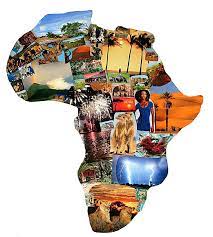
The Dance of Time: Dance and Movement in African Heritage Preservation
Updated at: 2023-08-11 21:54:16 (2 years ago by Melkisedeck Leon Shine)
The Dance of Time: Dance and Movement in African Heritage Preservation 💃🌍
Africa, the cradle of civilization, has a rich cultural heritage that is as diverse as the continent itself. From the vibrant rhythms of West Africa to the spirited dances of East Africa, our traditions and customs are a testament to our history and identity. In order to ensure the preservation of our African culture and heritage, we must employ strategic measures that celebrate and safeguard these invaluable treasures. Here are 15 recommended strategies to inspire and guide our efforts:
1️⃣ Embrace the Power of Education: By teaching our younger generations about the importance of our cultural heritage, we empower them to become custodians of our traditions and ensure their continuity in the future.
2️⃣ Document Our Stories: Through the written word, audiovisual recordings, and digital media, we can preserve the stories, legends, and myths that have shaped our communities for centuries.
3️⃣ Engage the Elderly: Our elders are living repositories of knowledge and firsthand experiences. By encouraging their active participation in cultural events and celebrations, we honor their wisdom and ensure the transmission of our heritage.
4️⃣ Support Cultural Institutions: Museums, galleries, and cultural centers play a crucial role in preserving and showcasing our cultural artifacts. Advocate for funding and resources to sustain these institutions.
5️⃣ Revive Traditional Arts and Crafts: Handicrafts, pottery, weaving, and carving are not only artistic expressions but also keepers of our cultural heritage. Promote and support local artisans to ensure the survival of these traditional skills.
6️⃣ Celebrate Festivals: Festivals are a vital part of our cultural fabric. By actively participating in and promoting these events, we rejuvenate our cultural practices and create a sense of unity and pride.
7️⃣ Foster Cross-Cultural Exchanges: Build connections with other African countries and exchange knowledge and experiences to learn from each other's unique traditions and customs.
8️⃣ Preserve Indigenous Languages: Our languages are a fundamental aspect of our cultural identity. Support initiatives that promote the use and preservation of indigenous languages in schools, media, and everyday life.
9️⃣ Integrate Technology: Leverage the power of technology to create digital platforms, websites, and applications that showcase and educate about African culture and heritage.
🔟 Invest in Cultural Tourism: By promoting cultural tourism, we not only create economic opportunities for our communities but also raise awareness and appreciation for our cultural heritage among visitors.
1️⃣1️⃣ Empower Local Communities: Encourage community-led initiatives that empower individuals to take ownership of their cultural heritage and promote its preservation on a grassroots level.
1️⃣2️⃣ Preserve Sacred Sites: Protect and conserve sacred places that hold cultural and historical significance to our communities. These sites are living testaments to our ancestral connections and spirituality.
1️⃣3️⃣ Collaborate with Scholars and Researchers: Forge partnerships with academics and researchers who can provide valuable insights and expertise in preserving and interpreting our cultural heritage.
1️⃣4️⃣ Promote Cultural Exchange Programs: Create opportunities for young Africans to experience and learn about different cultures within the continent. This fosters mutual understanding and strengthens the bonds of African unity.
1️⃣5️⃣ Embrace Unity: The United States of Africa (Muungano wa Mataifa ya Afrika) is not just a dream but a possibility. Through the preservation and promotion of our cultural heritage, we can inspire a sense of shared identity and purpose that transcends borders and promotes African unity.
By implementing these strategies, we can preserve our African culture and heritage for future generations. Let us rise as one and celebrate the beauty and diversity of our continent. Together, we have the power to shape our future and build a united Africa. 🌍🌟
Are you ready to join the movement? Share this article and let's inspire others to preserve and celebrate our African culture and heritage. #AfricanHeritage #PreservationStrategies #UnitedAfrica #AfricanUnity
Updated at: 2025-06-03 10:32:43 (1 year ago by Melkisedeck Leon Shine)
Africa's diverse cultural heritage—encompassing traditions, languages, artistic expressions, and spiritual practices—forms a fundamental aspect of its identity and global contribution. However, the accelerating pace of globalization and modernization poses significant threats to this invaluable legacy. This article proposes fifteen strategic interventions, grounded in relevant theories and models, to ensure the enduring preservation and sustainable transmission of Africa's cultural wealth for future generations. Key concepts underpinning this discussion include cultural capital (Bourdieu), representing the symbolic and material resources inherent in cultural practices; intangible cultural heritage, encompassing oral traditions, performing arts, and social practices; and sustainable development, advocating for balanced economic, social, and environmental progress.
1. Institutional Strengthening and Resource Mobilization: The establishment of robust and well-resourced cultural institutions—museums, archives, and research centers—is paramount. This requires strategic investment and effective governance structures, leveraging principles of organizational development and resource management to ensure their long-term viability and impact. These institutions should function as repositories of cultural artifacts, knowledge, and practices, fostering accessibility and public engagement in line with the concepts of inclusive cultural policies. This aligns with the principles of the UNESCO Convention for the Safeguarding of Intangible Cultural Heritage.
2. Comprehensive Documentation and Archiving: Rigorous documentation of both tangible and intangible cultural heritage is critical. This involves employing diverse methodologies—ethnographic research, oral history recording (audiovisual and textual), and digital archiving—to ensure the preservation and accessibility of this irreplaceable cultural capital. The application of information and communication technologies (ICTs) is vital in ensuring secure and accessible digital archives. This process adheres to best practices outlined in archival science and digital preservation protocols.
3. Intergenerational Knowledge Transfer: Facilitating structured dialogues and mentorship programs between generations is crucial for the transmission of traditional knowledge and skills. This approach leverages the principles of apprenticeship and community-based learning, ensuring the continuity of cultural practices while acknowledging the value of modern knowledge and technology. This strategy directly addresses the risk of knowledge loss inherent in rapidly changing social structures.
4. Empowering Cultural Practitioners: Supporting artists, artisans, and cultural practitioners through sustainable livelihood programs, capacity building initiatives, and effective marketing strategies is essential. This aligns with principles of economic empowerment and sustainable development, fostering economic viability while preserving cultural practices. Such initiatives draw upon principles of microfinance and community-based tourism.
5. Cultural Integration into Education Systems: Integrating African history, languages, and cultural studies into formal and informal education systems fosters cultural pride and understanding among youth. The implementation of culturally relevant pedagogy and curriculum development strengthens cultural identity and contributes to nation-building. This approach draws from educational theories of culturally responsive teaching and social-emotional learning.
6. Regional Collaboration and Networking: Collaboration among African nations through joint initiatives, cultural exchanges, and resource sharing is vital for addressing common challenges and leveraging collective strengths. This collaborative approach fosters the development of regional cultural strategies and facilitates the exchange of best practices. This is rooted in the principles of international cooperation and shared responsibility for cultural heritage preservation.
7. Sustainable Cultural Tourism: Developing community-based sustainable cultural tourism initiatives that respect cultural sensitivities generates economic opportunities and enhances awareness of heritage preservation. This necessitates careful planning, stakeholder engagement, and transparent governance, ensuring equitable distribution of benefits among local communities. This approach draws upon principles of ecotourism and sustainable development.
8. Harnessing Digital Technologies for Accessibility: Leveraging digital technologies to digitize, document, and disseminate cultural heritage expands its reach and accessibility. This includes creating virtual museums, digital archives, and online platforms for cultural exchange, increasing awareness and promoting intercultural dialogue. This approach is underpinned by advancements in digital humanities and information and communication technologies.
9. Revitalizing Oral Traditions: The preservation of oral traditions through storytelling festivals, workshops, and community-based initiatives ensures the transmission of cultural narratives and values across generations. This approach acknowledges the importance of oral history and its role in maintaining cultural memory. It aligns with community-based participatory research methodologies.
10. Promoting Research and Scholarship: Investing in academic research and scholarship focused on African culture and heritage fosters a deeper understanding of its significance and contributes to the development of informed preservation strategies. This involves supporting researchers, scholars, and institutions engaged in this critical field. The integration of academic knowledge with community-based practices is crucial for effective preservation strategies.
11. Community-Based Participation and Ownership: Actively involving local communities in the planning and implementation of heritage preservation projects fosters a sense of ownership and ensures the sustainability of these efforts. This participatory approach emphasizes community empowerment and addresses issues of cultural appropriation.
12. Harmonizing Cultural and Environmental Preservation: Recognizing the interconnectedness of culture and the environment, sustainable practices that protect sacred sites, traditional landscapes, and agricultural methods are essential. This holistic approach considers cultural ecology and the need for responsible environmental stewardship.
13. Preserving Musical and Dance Traditions: Promoting traditional music and dance through workshops, festivals, and educational programs ensures the continuity of these vibrant artistic expressions. This also involves supporting artists, musicians, and dancers in adapting traditional forms to contemporary contexts.
14. Strengthening Intellectual Property Rights: Protecting the intellectual property rights of cultural practitioners, including artists, artisans, and musicians, ensures their economic viability and contributes to the preservation of their cultural expressions. This approach recognizes the importance of protecting cultural heritage as a form of intellectual property.
15. Capacity Building and Training: Investing in training programs and workshops equips individuals and communities with the skills and knowledge necessary for heritage preservation, fostering long-term sustainability. This approach is based on the principles of human resource development and community capacity-building.
Conclusions and Recommendations: The preservation of Africa's diverse cultural heritage requires a holistic, multi-faceted approach, integrating cultural, economic, educational, and environmental perspectives. Effective strategies must be grounded in community participation, intergenerational knowledge transfer, and the responsible use of digital technologies. Future research should focus on evaluating the impact of different preservation strategies, developing indicators for measuring cultural sustainability, and exploring the role of technology in enhancing access and participation in cultural heritage. The implementation of these recommendations demands strong political will, increased investment in cultural institutions, and sustained collaboration among stakeholders at local, national, and international levels. The long-term impact will be the strengthening of African identities, fostering economic opportunities, and enriching the global cultural landscape.
Reader Pool: What innovative strategies, beyond those outlined, could effectively promote the preservation and transmission of Africa's intangible cultural heritage in the context of rapid technological advancements and globalization?
Updated at: 2023-08-11 21:25:30 (2 years ago by Melkisedeck Leon Shine)
Inclusive Preservation: Empowering Youth in Safeguarding African Culture 🌍
Africa is a continent rich in cultural diversity and heritage. From the vibrant music and dance of West Africa to the intricate woodcarvings of East Africa, our cultural expressions are a testament to our history and identity. However, in order to ensure the preservation of our African culture and heritage, we must adopt strategies that empower the youth and promote inclusivity. In this article, we will explore 15 detailed points on how we can achieve this goal.
1️⃣ Education is key: Provide young Africans with access to quality education that includes the history, traditions, and values of our diverse cultures. By equipping them with this knowledge, we empower them to become custodians of our heritage.
2️⃣ Museums and cultural centers: Establish and support museums and cultural centers that showcase African art, artifacts, and traditions. These institutions serve as important educational resources and preserve our cultural legacy for future generations.
3️⃣ Oral history: Encourage the storytelling tradition within African communities. Elders can pass down their knowledge through oral history, ensuring our traditions are preserved and celebrated.
4️⃣ Community involvement: Engage local communities in the preservation of their cultural heritage. By involving them in decision-making processes and empowering them to take ownership, we create a sense of pride and responsibility.
5️⃣ Technology and digital platforms: Utilize technology and digital platforms to document and promote African culture. This includes creating online archives, virtual museums, and digital libraries to make our heritage accessible to a wider audience.
6️⃣ Cultural exchange programs: Facilitate cultural exchange programs within African countries and with international partners. This allows young Africans to learn from each other's traditions and fosters a sense of unity and appreciation for our diverse heritage.
7️⃣ Traditional craftsmanship: Support local artisans and traditional craftsmen who are skilled in preserving African art forms. By valuing their work and providing opportunities for them to showcase their talents, we ensure the continuity of our cultural practices.
8️⃣ Language preservation: Encourage the preservation of indigenous languages. Language is an integral part of culture, and by safeguarding our diverse languages, we ensure the survival of our cultural heritage.
9️⃣ Cultural festivals: Organize and participate in cultural festivals that celebrate African traditions. These events not only showcase our rich cultural diversity but also provide a platform for young Africans to learn, engage, and appreciate their heritage.
🔟 Intergenerational dialogue: Facilitate dialogue between different generations to bridge the gap and foster understanding. This exchange of knowledge and experiences strengthens the bond between elders and youth, ensuring the transfer of cultural values.
1️⃣1️⃣ Empower youth-led initiatives: Support and empower youth-led initiatives that focus on preserving African culture. By providing them with resources and platforms, we encourage their active involvement in safeguarding our heritage.
1️⃣2️⃣ Collaborative research: Foster collaboration between researchers, scholars, and cultural institutions to deepen our understanding of African culture and heritage. By investing in research, we can uncover hidden treasures and preserve them for future generations.
1️⃣3️⃣ Cultural tourism: Promote cultural tourism within Africa, encouraging visitors to explore our diverse cultures and traditions. This not only generates economic opportunities but also raises awareness and appreciation for our heritage.
1️⃣4️⃣ Policy and legislation: Advocate for policies and legislation that protect and promote African culture and heritage. By engaging in our political systems, we can ensure that our cultural values are recognized and respected.
1️⃣5️⃣ The United States of Africa: Embrace the vision of "The United States of Africa" (Muungano wa Mataifa ya Afrika) as a platform for unity and cooperation. By standing together as a continent, we can amplify our voices and create a unified approach to preserving our culture and heritage.
It is important to remember that the responsibility of preserving African culture and heritage lies in our hands. By adopting these strategies and empowering our youth, we can ensure that our rich and diverse heritage continues to thrive for generations to come. Let us come together, celebrate our differences, and promote the unity that will make "The United States of Africa" a reality. 🌍🌟
What steps are you currently taking to preserve African culture and heritage? Share your experiences and ideas in the comments below and let's inspire each other to make a difference. Don't forget to share this article to spread the message of inclusivity and empowerment. #PreservingAfricanCulture #EmpoweringYouth #UnitedAfrica #AfricanHeritage #CultureMatters #InclusivePreservation #AfricaPride
Updated at: 2025-07-12 09:35:22 (1 year ago by Melkisedeck Leon Shine)
Africa's rich and multifaceted cultural heritage, encompassing both tangible artifacts and intangible cultural expressions, faces increasing threats from globalization, rapid urbanization, and socio-economic transformations. The concept of **_cultural heritage_** includes both tangible aspects such as monuments, artifacts, and sites, as well as intangible aspects such as traditions, languages, and performing arts. Preservation necessitates a holistic and collaborative approach to ensure the transmission of this heritage to future generations. This article explores a comprehensive framework for preservation, underpinned by established theories of cultural preservation, heritage management, and community development, and outlining key strategies for effective intervention in the African context. Applying a multi-dimensional approach, we must consider the interwoven nature of tangible and intangible heritage, as described by the **_Integrated Heritage Management Model_**. This model posits that effective preservation requires the simultaneous protection and promotion of both aspects, recognizing their interdependent relationship.
The preservation of African heritage necessitates a multifaceted strategy that integrates grassroots initiatives with large-scale, coordinated efforts. The following strategies, structured according to a logical progression from foundational education to broader collaborative actions, form a holistic approach to heritage preservation. The implementation of these strategies should be guided by the principles of **_subsidiarity_**, which advocates for decision-making at the most local level possible, and **_holistic conservation_**, recognizing the interconnectedness of cultural and natural heritage.
Conclusions and Recommendations: The preservation of Africa's heritage is not merely a cultural imperative but a vital component of sustainable development, economic empowerment, and social cohesion. This collaborative framework, grounded in established theories and principles, offers a practical roadmap for effective intervention. Recommendations include prioritizing funding for culturally-relevant education and community-based initiatives that foster local ownership and participation. Secondly, strengthening institutional capacity for heritage management through training, infrastructure development, and the adoption of innovative technologies is essential. Thirdly, fostering strategic partnerships across governmental, academic, non-profit, and international sectors will facilitate resource mobilization, knowledge sharing, and coordinated action. Finally, future research should focus on evaluating the efficacy of these strategies, exploring innovative technologies for heritage preservation (such as artificial intelligence and remote sensing), and developing culturally sensitive methodologies for documenting and transmitting intangible heritage. Special attention should be given to the integration of climate change adaptation strategies into heritage management plans, recognizing the increasing threat posed by climate change to African heritage sites. The successful implementation of these strategies will contribute to a stronger sense of cultural identity, economic empowerment, and ultimately, a more prosperous and unified Africa. The applicability of this framework extends beyond Africa, serving as a model for other regions grappling with similar challenges in heritage preservation.
Reader Pool: Considering the rapid pace of technological advancements and the increasing impacts of climate change, what innovative strategies, informed by contemporary theories of resilience and adaptation, would you suggest to enhance the long-term sustainability of this collaborative framework for safeguarding Africa's heritage?
Updated at: 2025-02-20 11:37:33 (1 year ago by Melkisedeck Leon Shine)
Africa's vibrant tapestry of cultures, languages, and traditions represents a legacy of unparalleled richness and diversity. From ancient wisdom to modern innovation, this dynamic heritage forms the bedrock of our collective identity and is crucial for shaping a prosperous future. This article explores a comprehensive strategy for safeguarding this invaluable cultural inheritance, emphasizing the vital role of unity and collaboration in ensuring its continuity for generations to come.
Effective Pan-African heritage preservation requires a multifaceted approach, integrating education, meticulous documentation, robust community engagement, and strategic investment. This necessitates a unified effort, acknowledging the interconnectedness of our diverse cultural landscapes. Let's examine the key pillars of this crucial endeavor:
Education serves as the cornerstone of heritage preservation. By fostering pride and appreciation for our diverse cultural heritage in young minds, we ensure the transmission of knowledge and traditions. Curriculum development must actively incorporate African history, storytelling, art, music, and various cultural expressions, fostering a sense of belonging and shared identity. This approach aims to equip future generations with the tools to understand, value, and protect their cultural inheritance.
Oral traditions—stories, proverbs, songs, and rituals passed down through generations—represent the very essence of many African cultures. Their preservation demands careful and comprehensive documentation through diverse media, including written records, audio and video recordings, and digital platforms. This ensures wider accessibility, prevents the loss of invaluable knowledge, and allows future generations to connect with the voices of their ancestors. This meticulous approach is vital for preserving the richness and depth of our oral legacies.
Museums, libraries, archives, and cultural centers act as vital repositories of our collective memory. Active community engagement—through participation, support, and contributions—is essential for maintaining these institutions’ vibrancy and ensuring their continued ability to serve as hubs of learning and cultural exchange. These institutions are not merely storage facilities but dynamic centers fostering understanding and appreciation of our shared heritage.
Africa's remarkable diversity is its greatest strength. Intercultural dialogue, facilitated through festivals, workshops, and collaborative projects, celebrates this richness while fostering stronger bonds between communities and nations. Shared experiences build a stronger sense of collective identity and reinforce the interconnectedness of our Pan-African heritage, enriching the overall cultural landscape.
Historical sites, monuments, and heritage trails represent tangible links to our past. Investing in their restoration, maintenance, and promotion ensures that these significant landmarks remain accessible to future generations, providing a living testament to our history and culture. This investment reflects not only a commitment to the past but also an investment in the future.
Traditional knowledge systems—in sustainable agriculture, medicine, craftsmanship, and resource management—represent a wealth of accumulated wisdom. Integrating these practices into modern solutions ensures their preservation while fostering innovation and sustainability. This approach recognizes the enduring value of traditional knowledge within a contemporary context, promoting both cultural preservation and progress.
Indigenous languages are integral to preserving cultural nuances and expressions. Promoting their use in education, media, and daily life is paramount for maintaining linguistic diversity and safeguarding the unique cultural heritage embedded within each language. The preservation of these languages is essential for preserving the richness and complexity of our cultures.
Traditional leaders, elders, and cultural custodians play a critical role as guardians of our heritage. Empowering them through recognition, support, and meaningful involvement in decision-making processes ensures that their wisdom and knowledge are valued, respected, and sustainably preserved. Their participation is crucial for authentic and respectful heritage preservation.
Technology offers unprecedented opportunities to preserve and promote cultural heritage. Digital archives, virtual museum tours, and interactive online resources increase accessibility and engagement with our cultural legacy, extending its reach to a global audience. This approach ensures that our heritage is not only preserved but also shared widely.
Sustainable cultural tourism can be a powerful engine for heritage preservation. By carefully managing tourism practices, we can generate economic benefits for local communities while raising awareness of the importance of cultural protection. This approach ensures that heritage preservation aligns with economic development, creating a mutually beneficial relationship.
Young people are the future custodians of our heritage. Engaging them through cultural activities, skill-building programs, and meaningful participation in cultural events ensures the continuity of traditions and fosters a sense of ownership and responsibility. Investing in the next generation ensures the long-term preservation of our heritage.
Learning from successful heritage preservation initiatives around the world provides invaluable insights and innovative approaches. By adapting proven strategies to our unique contexts, we can optimize our efforts and leverage the collective wisdom of global experience.
Continental unity is paramount for preserving our shared heritage. Strengthening regional and continental collaborations, such as through the African Union, fosters a shared sense of responsibility and collective action towards protecting our cultural diversity. This collaborative approach is crucial for addressing the challenges of heritage preservation on a continental scale.
Governments play a pivotal role in cultural preservation through supportive policies and legislation. Advocating for increased funding, protective laws, and national strategies for heritage protection ensures that cultural preservation receives the necessary governmental support. This governmental commitment is crucial for the long-term sustainability of heritage preservation efforts.
The vision of a united Africa—a continent working collaboratively towards shared goals—provides a powerful framework for collective action in heritage preservation. This unified approach leverages the strengths of diverse nations to protect and celebrate our shared cultural richness. A united approach harnesses the collective strength of the continent for a shared cultural future.
Preserving Pan-African heritage is a collective responsibility demanding unwavering commitment and collaborative action. Let us inspire and motivate one another to embrace our diversity, celebrate our traditions, and safeguard our shared legacy. Together, we can build a brighter future, united in our cultural richness and shared identity. What steps will you take to contribute to this vital mission?
Share your thoughts and ideas. Let's continue this vital conversation and spread the message of cultural unity and heritage preservation. #PreserveOurHeritage #AfricanUnity #UnitedAfrica #PanAfricanPride

Updated at: 2023-08-11 21:26:07 (2 years ago by Melkisedeck Leon Shine)
Harmony in Diversity: Music's Role in Uniting African Cultural Heritage 🎵
In the vast and incredibly diverse continent of Africa, music has always played a powerful role in preserving and uniting our rich cultural heritage. Our continent is blessed with a multitude of ethnicities, languages, and traditions, and music has served as a common thread that brings us together. Today, I would like to share with you some strategies for preserving our African culture and heritage, with music at the forefront. Let us embark on this journey of unity and celebration of our shared identity. 🌍
1️⃣ Embrace and celebrate diversity: Africa is home to over 1,000 languages and a myriad of cultures. Instead of viewing this diversity as a barrier, let us see it as a strength that enriches our collective identity. By embracing and celebrating the unique traditions of each African country, we can foster a sense of pride and unity amongst ourselves.
2️⃣ Promote cultural education: It is crucial to instill a sense of cultural pride in future generations. By incorporating music and cultural education into school curriculums, we can ensure that our traditions are passed down from one generation to the next. This will not only help preserve our heritage but also foster a sense of identity and belonging in our youth.
3️⃣ Support local artists: African musicians are the guardians of our cultural heritage. By supporting and promoting local talent, we can ensure that our traditional music continues to thrive. Let us celebrate and uplift our African artists who use their music to tell our stories and preserve our heritage.
4️⃣ Preserve indigenous languages: Language is an integral part of any culture, and Africa boasts a rich tapestry of indigenous languages. The preservation of these languages is key to safeguarding our cultural heritage. Let us encourage the use of indigenous languages in music, as a means to keep them alive and vibrant.
5️⃣ Foster intercultural exchange: Africa is a continent of interconnected cultures. By promoting intercultural exchanges and collaborations, we can create a stronger sense of unity among our diverse communities. Let us explore the musical traditions of our neighboring countries and learn from one another.
6️⃣ Embrace modern technology: In this digital age, technology can be a powerful tool for preserving and promoting our cultural heritage. Platforms such as social media and streaming services provide opportunities for African musicians to reach a global audience. Let us harness the power of technology to showcase our diverse musical traditions to the world.
7️⃣ Preserve traditional instruments: African music is known for its vibrant and unique array of traditional instruments. From the kora in West Africa to the mbira in Southern Africa, these instruments are a testament to our rich cultural heritage. Let us ensure that they are preserved and passed down through generations.
8️⃣ Document oral traditions: Many African cultures have a strong oral tradition, where stories and history are passed down through spoken word. It is vital to document these traditions through recordings and written accounts to ensure their preservation for future generations.
9️⃣ Promote cultural tourism: Our continent is home to breathtaking landscapes and vibrant cultural experiences. By promoting cultural tourism, we can not only showcase our rich heritage to the world but also generate economic opportunities for local communities. Let us encourage visitors to explore the diverse music and traditions of African countries.
🔟 Create cultural exchange programs: Cultural exchange programs provide opportunities for African musicians to travel and share their music with audiences around the world. Through these programs, we can create bridges of understanding and appreciation for our diverse cultural heritage.
1️⃣1️⃣ Establish cultural preservation initiatives: Governments and organizations should invest in cultural preservation initiatives to ensure the long-term sustainability of our traditions. Let us create platforms and funding opportunities that support the preservation and promotion of African music.
1️⃣2️⃣ Learn from successful preservation models: We can draw inspiration from successful preservation models around the world, such as the Japanese practice of preserving traditional music through designated cultural properties. Let us adapt these models to suit our African context and preserve our musical heritage.
1️⃣3️⃣ Celebrate African unity: The United States of Africa (Muungano wa Mataifa ya Afrika) is a vision that holds great potential for our continent. By working towards the realization of this vision, we can create a unified Africa that celebrates and preserves our diverse cultural heritage. Let us join hands and work towards a united and prosperous Africa.
1️⃣4️⃣ Develop skills and knowledge: As individuals, we can contribute to the preservation of our African culture and heritage by developing our skills and knowledge. Let us learn traditional musical instruments, explore our cultural history, and engage with our local communities to deepen our understanding and appreciation of our heritage.
1️⃣5️⃣ Share this article and continue the conversation: The strategies I have shared are just the beginning of our journey towards preserving African culture and heritage through music. I invite you to share this article with your friends and family, and together, let us continue this important conversation. What are your thoughts on the strategies I have mentioned? How can we further promote African unity through music? Let us hear your voices and work towards a united Africa that cherishes its cultural diversity. 🌍❤️🎶
Updated at: 2023-08-11 20:34:10 (2 years ago by Melkisedeck Leon Shine)
Bridging Generations: Engaging Elders and Youth in African Heritage Preservation 🌍👵👶
Preserving our African culture and heritage is not only a responsibility but also a way of honoring our ancestors and connecting with our roots. It is a collective effort that requires the active participation of both the older generation, with their wisdom and experience, and the youth, with their energy and enthusiasm. In this article, we will explore strategies to preserve African culture and heritage, and how bridging the generations can play a vital role in this endeavor.
1️⃣ Engage elders as cultural custodians: Elders possess a wealth of knowledge about our customs, traditions, and oral history. Their stories and experiences should be valued and documented to ensure the preservation of our heritage.
2️⃣ Encourage intergenerational dialogue: Creating spaces for elders and youth to engage in meaningful conversations fosters understanding and bridges the gap between generations. This exchange of ideas allows for the passing down of cultural practices and traditions.
3️⃣ Promote cultural mentorship programs: Establishing mentorship programs where elders pass down their skills and knowledge to the younger generation helps preserve traditional craftsmanship, music, dance, and other cultural practices.
4️⃣ Utilize technology for preservation: Embrace modern tools such as digital recording devices and online platforms to document and share cultural practices, stories, and rituals. This ensures that our heritage is accessible to future generations.
5️⃣ Invest in cultural education: Integrating African culture and heritage into formal education systems empowers young people with a deeper understanding and appreciation for their roots. This can be achieved through the incorporation of relevant curriculum and extracurricular activities.
6️⃣ Establish community cultural centers: Community centers dedicated to preserving our heritage provide a space for both elders and youth to come together, engage in cultural activities, and learn from one another.
7️⃣ Support cultural festivals and events: Encourage participation in cultural festivals and events that celebrate our diverse African heritage. These gatherings serve as a platform to showcase traditional practices, music, art, and cuisine.
8️⃣ Facilitate intercultural exchange: Promote exchange programs and collaborations between different African countries to foster cultural appreciation, unity, and understanding. This allows for the sharing of traditions and practices across borders.
9️⃣ Preserve endangered languages: Languages are an integral part of our cultural identity. Efforts should be made to revitalize and preserve endangered African languages, ensuring their survival for future generations.
🔟 Document oral history: Our elders are living libraries of oral history. Documenting their stories through audio or video recordings helps to preserve our traditions and customs that may otherwise be lost with time.
1️⃣1️⃣ Preserve sacred sites and monuments: Protecting and maintaining sacred sites, historical landmarks, and monuments is essential in safeguarding our heritage. These sites hold significant cultural and historical value.
1️⃣2️⃣ Promote cultural tourism: Encourage tourism initiatives that highlight and promote African cultural heritage. This not only generates economic opportunities but also raises awareness about the importance of preserving our traditions.
1️⃣3️⃣ Engage the diaspora: The African diaspora plays a crucial role in preserving our culture and heritage. Engage with the diaspora community to strengthen connections, exchange knowledge, and collaborate on preservation efforts.
1️⃣4️⃣ Empower youth-led initiatives: Support and empower young people who are passionate about preserving African culture and heritage. Provide them with resources, training, and platforms to create their own initiatives.
1️⃣5️⃣ Advocate for policy support: Lobby for policies that prioritize the preservation of African culture and heritage. Engage with policymakers and advocate for the integration of cultural preservation initiatives into national development agendas.
In the words of Nelson Mandela, "Culture is the soul of a nation." It is through the preservation of our culture and heritage that we can unite as Africans and build a stronger future. Let us embrace our rich traditions, engage our elders and youth, and work towards creating "The United States of Africa" (Muungano wa Mataifa ya Afrika). Together, we can ensure the preservation of our African identity for generations to come.
Are you inspired to take action and preserve African culture and heritage? What steps will you take to contribute to this endeavor? Share this article with your friends and family, and let's ignite a movement to safeguard our precious heritage. #PreserveAfricanHeritage #BridgingGenerations #AfricanUnity #CultureMatters
Updated at: 2025-02-20 04:51:00 (1 year ago by Melkisedeck Leon Shine)
Africa boasts a rich and diverse tapestry of cultures, spanning millennia. Our traditions, values, and histories form the very foundation of our continent's identity. However, in a rapidly evolving world, the active preservation and celebration of this heritage is paramount. Poetry emerges as a powerful instrument in this vital endeavor, a vibrant tool for safeguarding our cultural legacy for generations to come.
Poetry has always held a central position in African societies. From the age-old oral traditions of griots to the contemporary written works of modern poets, the potent force of words has consistently played a crucial role in preserving our cultural identity. The following points illuminate the multifaceted contributions of poetry to this preservation:
1. Transmission of Traditions and Values: Poetry encapsulates the essence of our traditions, beliefs, and values, ensuring their transmission to future generations, safeguarding them from the erosive effects of time.
2. A Platform for Self-Expression: It provides a powerful platform for self-expression, enabling individuals to share their unique perspectives and lived experiences, enriching the collective narrative of African identity.
3. Bridging Past and Present: Poetry acts as a bridge connecting the past and the present, reminding us of our roots, the struggles faced by our ancestors, and the enduring strength of our cultural heritage.
4. Celebrating Cultural Diversity: Through poetry, we can explore the remarkable diversity of cultures across the African continent, fostering deeper understanding and appreciation for the unique tapestry of our shared heritage.
5. Fostering Dialogue and Understanding: Poetry stimulates dialogue and discussion, creating spaces for meaningful conversations about our shared past, present, and future, strengthening community bonds and fostering unity.
6. Reclaiming Our Narrative: Poetry serves as a crucial tool for reclaiming our narrative, allowing us to tell our own stories, challenge harmful stereotypes, and present a powerful counter-narrative to inaccurate or biased representations.
7. Inspiring Social and Political Change: The power of poetry can inspire social and political change, reminding us of our collective strength and the potential for positive transformation within our communities and across the continent.
8. Amplifying Marginalized Voices: Poetry provides a crucial platform for marginalized voices, amplifying the stories and experiences of those often unheard, ensuring their inclusion within the broader African narrative.
9. Cultivating Pride and Identity: Poetry fosters a profound sense of pride and identity, reminding us of the beauty, resilience, and strength inherent in our rich cultural heritage.
10. Encouraging Creativity and Innovation: Poetry encourages creativity and innovation, pushing the boundaries of traditional forms and styles, ensuring the continued evolution and dynamism of African artistic expression.
11. Promoting Literacy and Critical Thinking: By engaging with poetry, we promote literacy and cultivate a love for literature, encouraging critical thinking and intellectual growth within African communities.
12. Fostering Pan-African Unity: Through poetry, we can connect with our fellow Africans from diverse nations, recognizing our shared history, aspirations, and the potential for a unified and prosperous continent.
13. Healing and Reconciliation: Poetry can serve as a powerful tool for healing and reconciliation, allowing us to address past traumas, foster forgiveness, and envision a brighter future.
14. Global Communication of Heritage: Poetry transcends geographical and linguistic borders, enabling us to communicate our unique cultural heritage to a global audience, fostering understanding and appreciation across cultures.
15. Inspiring a United Africa: Ultimately, poetry possesses the potential to inspire us to work towards the realization of a united and prosperous Africa, where our cultural diversity is celebrated, and our collective strength is harnessed for the betterment of all.
Let us, as Africans, embrace the transformative power of poetry. Let us actively participate in preserving our cultural heritage and fostering unity across our continent. Let us develop and utilize the strategies outlined above, and inspire others to do the same. Together, we can ensure that the vibrancy and richness of African culture continue to flourish for generations to come.
We invite you to share your favorite African poems and poets in the comments below. Let us celebrate and preserve our shared cultural heritage together.
Updated at: 2025-06-03 11:20:23 (1 year ago by Melkisedeck Leon Shine)
Africa's cultural heritage, a complex interplay of millennia-old traditions, artistic expressions, and linguistic diversity, constitutes a fundamental pillar of its collective identity. This invaluable legacy, however, faces unprecedented threats in a rapidly globalizing world. Its preservation necessitates a proactive, collaborative approach, integrating artists as key stakeholders. Their creative partnerships are not merely instrumental in remembering traditions but also in actively transmitting and celebrating them for future generations, thereby ensuring a vibrant and enduring cultural legacy. The preservation of African culture transcends mere historical archiving; it is a dynamic process intrinsically linked to the continent's sustainable development and identity formation. This requires a multifaceted strategy drawing on established theories of cultural preservation and community development. This article will explore fifteen strategic approaches, grounded in relevant theoretical frameworks, to bolster these preservation efforts.
Fifteen strategic approaches can significantly enhance these vital preservation efforts, informed by theories of community-based participatory approaches, sustainable development principles, and the UNESCO Convention for the Safeguarding of the Intangible Cultural Heritage.
Prioritizing Community-Centric Preservation: Applying principles of participatory action research, initiatives must prioritize the active involvement of local communities. This ensures their traditions, perspectives, and knowledge systems are accurately represented and respected. This participatory approach maximizes authenticity, sustainability, and ownership, aligning with empowerment strategies in development studies. Real-world examples include community museums managed and curated by local residents.
Revitalizing Oral Traditions: Oral traditions, embodying ancestral knowledge, storytelling, and poetry, represent living repositories of cultural memory. These traditions are vital for understanding historical narratives, shaping present identities, and guiding future directions. Employing techniques from ethnomusicology and oral history methodologies, these traditions can be documented, analyzed, and preserved through community-led initiatives and digital archiving, applying models of community-based cultural resource management.
Empowering Local Artisans through Sustainable Economic Models: Supporting local artisans through fair trade practices, micro-financing, and market access initiatives strengthens their economic resilience while safeguarding their unique skills. This approach aligns with sustainable development goals, creating a symbiotic relationship between cultural preservation and economic empowerment. Models such as community-based tourism can successfully integrate cultural preservation into economic activities.
Comprehensive Cultural Documentation using Advanced Technologies: Combining traditional ethnographic methods with digital technologies (e.g., 3D modeling, virtual reality) allows for meticulous documentation of ceremonies, rituals, and artistic expressions. This creates accessible archives, minimizing the risk of cultural erosion. Digital humanities methodologies can be applied to create searchable databases and interactive platforms, extending the reach and impact of the cultural heritage.
Establishing Dynamic Cultural Hubs as Sites of Knowledge Exchange: The establishment of cultural centers, modeled after successful community centers globally, fosters collaboration, learning, and cultural exchange. These hubs should leverage social network theory to connect artists, historians, and community members, promoting cross-cultural dialogue and collaborative projects.
Fostering Interdisciplinary Collaboration: Encouraging collaboration between artists across disciplines (music, visual arts, literature, performing arts) generates innovative cultural expressions and expands the creative possibilities within the preservation process. This multidisciplinary approach mirrors successful collaborative projects in the arts and cultural management field.
Harnessing Technology for Preservation and Dissemination: Utilizing digital platforms for online archives, virtual exhibitions, and interactive learning resources enhances accessibility and global reach. This approach leverages the power of digital storytelling and multimedia technologies to engage wider audiences, applying principles of digital humanities and public engagement.
Promoting Meaningful Global Cultural Exchange through Collaborative Partnerships: Facilitating intercultural collaborations between African and international artists promotes mutual learning and understanding, enriching both cultures. This approach draws upon the principles of intercultural communication and knowledge exchange, building bridges between communities and promoting cultural diplomacy.
Integrating Culture into Formal and Informal Education Systems: Advocating for the integration of African culture into curricula fosters cultural continuity and promotes a sense of national identity among younger generations. This approach draws on culturally relevant pedagogy and aims to cultivate cultural pride and awareness.
Safeguarding Endangered Languages through Language Revitalization Programs: Supporting language revitalization programs is crucial as language loss represents a significant loss of cultural knowledge and expression. Linguistic anthropology provides frameworks for language documentation and preservation, including community-based language learning initiatives.
Celebrating Cultural Festivals to Foster Community Cohesion and Tourism: Cultural festivals serve as dynamic platforms showcasing cultural diversity, promoting unity, pride, and cultural tourism. This strengthens community bonds and promotes economic opportunities, aligning with community development strategies.
Learning from Global Best Practices in Cultural Heritage Management: Studying successful models from around the world (e.g., Japan's intangible cultural heritage program, Italy's historical preservation efforts) provides valuable insights and adaptable strategies. This comparative approach identifies best practices and informs the design of culturally sensitive and effective preservation programs.
Drawing Inspiration from African Leadership and Intellectual Traditions: The wisdom and vision of African leaders and intellectuals can inspire and guide cultural preservation efforts. Their contributions highlight the importance of preserving cultural heritage for future generations. The use of inspirational figures serves as a motivational factor within the community.
Securing Supportive Policy and Legislative Frameworks: Advocating for legislation that protects and promotes African culture is essential for large-scale preservation efforts. Government support is crucial for resource allocation, policy implementation, and effective cultural heritage management.
Fostering Pan-African Collaboration: Collaborative initiatives across the continent leverage collective strength and shared vision, fostering more effective cultural preservation and shared prosperity. This approach aligns with principles of regional integration and collaborative governance, strengthening cultural ties and creating a sense of shared identity across national borders.
Conclusion and Recommendations:
The preservation of Africa's rich cultural heritage is not merely a historical imperative but a crucial factor in sustainable development, fostering social cohesion, and promoting economic opportunities. The fifteen strategies presented provide a comprehensive framework for collaborative action. Future research should focus on evaluating the effectiveness of specific interventions, developing culturally sensitive indicators for measuring success, and exploring innovative financing mechanisms to support community-led initiatives. The successful implementation of these strategies hinges on strong political will, community participation, and innovative partnerships between government agencies, NGOs, and local communities. A robust monitoring and evaluation framework is essential to assess progress, adapt strategies as needed, and ensure the long-term sustainability of cultural preservation efforts across the continent. The ultimate goal is to create a future where Africa's vibrant cultural tapestry continues to thrive, inspiring both its people and the global community.
Reader Pool: What are the most significant challenges and opportunities in applying these collaborative strategies for cultural heritage preservation in specific African contexts, and how can these be addressed effectively?
Updated at: 2025-05-14 11:49:34 (1 year ago by Melkisedeck Leon Shine)
This article examines the critical role of culinary traditions in preserving African heritage, utilizing frameworks from cultural anthropology, heritage studies, and community development. Key concepts include cultural heritage (the tangible and intangible legacies of a society), foodways (the cultural practices surrounding food production, preparation, and consumption), and sustainable tourism (tourism that minimizes negative impacts while maximizing benefits for local communities). We explore practical strategies to safeguard these valuable aspects of African identity for future generations.
1. Documentation and Archiving of Culinary Knowledge: The systematic documentation of traditional recipes, cooking techniques, and associated cultural knowledge is paramount. This involves employing ethnographic methodologies, such as oral history interviews and participatory observation within communities. These data should be compiled into accessible digital and physical archives, serving as a resource for researchers, cooks, and the broader public. This approach mirrors the principles of ethnographic research, ensuring accurate and contextually rich representation of culinary traditions.
2. Promoting the Use of Indigenous Ingredients and Sustainable Agriculture: Supporting local farmers and producers who cultivate traditional ingredients is crucial for both culinary and economic sustainability. This aligns with principles of agrobiodiversity conservation and food sovereignty, empowering local communities while safeguarding biodiversity and traditional farming practices. Case studies of successful farmer-chef collaborations can demonstrate the economic viability and cultural significance of this approach.
3. Developing Culinary Tourism Initiatives: The creation of culinary tourism initiatives can generate income for local communities while promoting cultural exchange. This requires careful planning to ensure that tourism benefits local people and does not negatively impact the environment or cultural authenticity. Applying principles of responsible tourism is vital for long-term sustainability. Examples of successful culinary tourism models from other regions can provide valuable insights.
4. Intergenerational Knowledge Transfer: Employing pedagogical approaches to transfer traditional cooking skills to younger generations is essential. This can involve formal and informal educational programs, apprenticeships, and community-based cooking classes. This approach utilizes principles of experiential learning and cultural transmission, ensuring the continuity of traditional practices. Community kitchens and culinary schools can play a crucial role in this process.
5. Fostering Cultural Exchange and Collaboration: Facilitating collaborations between chefs, researchers, and communities across different African nations strengthens a shared sense of culinary identity. Cross-cultural culinary exchanges can stimulate innovation while fostering mutual understanding and respect. This builds upon principles of cultural exchange programs and collaborative research, creating opportunities for knowledge sharing and mutual benefit.
6. Leveraging Digital Platforms for Heritage Dissemination: Utilizing digital platforms such as social media, websites, and online databases to share recipes, stories, and videos helps increase awareness of African culinary heritage globally. This leverages the power of digital storytelling to engage wider audiences and contribute to the preservation efforts. Developing culturally sensitive and accessible digital resources is essential.
7. Advocating for Policy Support and Institutionalization: Advocating for policies that support the preservation of African culinary heritage is essential for long-term success. This includes lobbying for governmental funding for culinary heritage programs and the creation of designated cultural heritage sites. This aligns with principles of cultural policy, leveraging the power of public institutions in safeguarding cultural heritage.
Preserving African culinary heritage requires a multi-faceted approach combining documentation, community engagement, sustainable practices, and policy advocacy. By integrating principles of cultural anthropology, heritage management, and community development, we can create effective strategies for safeguarding these invaluable traditions. Further research should focus on comparative studies of successful heritage preservation initiatives across Africa, exploring best practices and challenges. The potential impact extends beyond cultural preservation, contributing to economic empowerment, food security, and sustainable tourism development within local communities. The application of these strategies demonstrates the profound connection between food, culture, and community well-being, offering a path towards a more vibrant and sustainable future for African heritage.
Reader Pool: Considering the multifaceted nature of preserving African culinary heritage, how can we best balance the need for authenticity with the demands of a globalized food market?