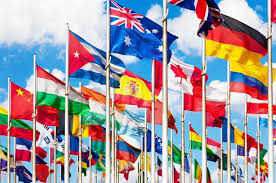
Shared Values, Shared Goals: Global Cooperation for a Peaceful World
Updated at: 2023-08-13 17:23:24 (2 years ago by Melkisedeck Leon Shine)
Shared Values, Shared Goals: Global Cooperation for a Peaceful World
Introduction: In today's interconnected world, promoting global cooperation for peace and unity has become more important than ever. As individuals, we have the power to make a difference by embracing shared values and working towards common goals.
Understanding shared values: Shared values are the universal principles that bind us together as human beings, transcending borders and cultural differences. These values include respect for human rights, equality, justice, and compassion.
The importance of global cooperation: Global cooperation is essential for addressing pressing issues such as poverty, climate change, and conflict. By coming together and pooling our resources, we can create a more peaceful and sustainable world for future generations.
Building bridges instead of walls: Instead of creating divisions based on nationality or religion, let us focus on building bridges that bring people together. By embracing diversity and fostering understanding, we can promote unity and cooperation across borders.
Learning from each other: By engaging with different cultures, we can expand our horizons and gain new perspectives. This exchange of ideas and knowledge can lead to innovative solutions and a deeper appreciation for our shared humanity.
Resolving conflicts peacefully: Conflict is inevitable, but how we address it determines our path towards peace. By promoting dialogue, mediation, and diplomacy, we can find peaceful resolutions that preserve human dignity and avoid unnecessary suffering.
The role of education: Education plays a crucial role in promoting global cooperation for peace and unity. By equipping individuals with the knowledge and skills to navigate a complex world, we empower them to become agents of positive change.
Empowering women: Gender equality is not only a matter of human rights, but also a key driver of peace and development. By empowering women and ensuring their full participation in decision-making processes, we can create more inclusive and peaceful societies.
Environmental sustainability: A peaceful world is intrinsically linked to a sustainable environment. By prioritizing environmental protection and adopting sustainable practices, we can ensure a better future for all.
The power of grassroots movements: Change often starts at the grassroots level, with individuals coming together to advocate for a common cause. By joining or supporting grassroots movements that promote peace and unity, we can make a significant impact.
Promoting economic cooperation: Economic prosperity is closely linked to peace and stability. By promoting fair trade, investment in sustainable development, and reducing inequalities, we can create a more equitable and peaceful global economy.
Bridging the digital divide: In today's digital age, access to information and communication technologies is essential for global cooperation. By bridging the digital divide and ensuring equal access to technology, we can empower individuals and communities to actively participate in shaping a peaceful world.
Engaging youth: Young people are the leaders of tomorrow, and their engagement is crucial for promoting global cooperation. By providing platforms for youth to express their ideas, participate in decision-making processes, and take action, we can harness their energy and creativity for positive change.
The power of partnerships: No single country or organization can solve global challenges alone. By forming partnerships and alliances, we can leverage collective strengths and resources to achieve shared goals for peace and unity.
Conclusion: Promoting global cooperation for peace and unity requires collective action, but it starts with each one of us. By embracing shared values, actively engaging with others, and promoting understanding and empathy, we can contribute to a more peaceful and united world. Let us strive together towards this noble cause and inspire others to join us on this journey. #GlobalCooperation #PeaceAndUnity #TogetherWeCan
Updated at: 2025-05-23 12:59:47 (1 year ago by Melkisedeck Leon Shine)
The interconnectedness of the modern world presents unprecedented challenges: climate change, widespread poverty, persistent conflict, and recurring pandemics. Effective global governance necessitates a paradigm shift, one firmly grounded in empathy and compassion. This article examines the transformative potential of humanitarian diplomacy and its crucial role in fostering international cooperation for a future characterized by peace and unity. It advocates for a proactive, preventative approach to international relations, moving beyond reactive crisis management.
Redefining Diplomacy: A Humanitarian Framework
Humanitarian diplomacy transcends traditional power politics. It strategically leverages diplomatic instruments to advance humanitarian goals and mitigate global suffering. This approach uniquely integrates diplomatic strategy with empathy, compassion, and a robust commitment to social justice. It prioritizes anticipatory diplomacy, preventing crises before they escalate, aligning with the tenets of preventive diplomacy outlined in conflict resolution literature. This proactive stance contrasts sharply with traditional reactive diplomacy, which primarily addresses issues after their emergence.
Empathy: The Cornerstone of Effective Global Engagement
Empathy is paramount in successful humanitarian diplomacy. It allows diplomats to comprehend and appreciate the perspectives, needs, and lived experiences of diverse populations, thereby cultivating trust and mutual understanding. This facilitates bridging cultural, political, and ideological divides, paving the way for collaborative efforts toward shared objectives. The application of empathy aligns with the principles of intercultural communication, promoting effective dialogue and cooperation across societal boundaries. Without this fundamental understanding, effective global cooperation remains elusive. This understanding is further bolstered by social identity theory, which highlights the importance of recognizing and valuing shared identities to overcome divisions.
Compassion: The Catalyst for Global Action
Compassion serves as a powerful catalyst for positive change, inspiring individuals and nations to pursue solutions that benefit all stakeholders. It fosters global solidarity, underscoring the interdependence of national well-being. This aligns with the principles of global citizenship and cosmopolitanism, emphasizing the interconnectedness of human destinies. A nation's prosperity and security are intricately linked to the global community's collective well-being, a concept deeply rooted in the theory of international relations.
Shared Humanity: The Foundation of Global Unity
Humanitarian diplomacy emphasizes the inherent unity of humankind and our collective responsibility to confront global challenges. It champions inclusive and collaborative approaches, ensuring that all voices are heard in the decision-making process. This shared responsibility transcends national borders and fosters a sense of global community. This approach resonates with the principles of global justice and human rights, advocating for equitable distribution of resources and opportunities.
Dialogue and Peacebuilding: Conflict Resolution Through Understanding
Humanitarian diplomacy plays a pivotal role in conflict resolution and peacebuilding. By prioritizing empathy and understanding, diplomats facilitate open and constructive dialogue, negotiate peaceful settlements, and address the root causes of conflict. This approach goes beyond superficial solutions, tackling the underlying issues that fuel instability. This aligns with the conflict resolution framework that emphasizes dialogue, negotiation, and mediation as pathways to peaceful outcomes.
Sustainable Development: A Collective Global Endeavor
Humanitarian diplomacy is inherently linked to sustainable development, encompassing its social, economic, and environmental dimensions. Through international collaboration and knowledge sharing, nations can effectively combat poverty, inequality, and environmental degradation, creating a more equitable and sustainable future for all. This approach is consistent with the Sustainable Development Goals (SDGs) and the principles of sustainable development, promoting long-term well-being for all.
Inspiring Action and Collaboration: A Ripple Effect of Positive Change
Humanitarian diplomacy inspires positive change, motivating individuals, communities, and nations to take decisive action. By showcasing successful initiatives and highlighting the transformative power of empathy and compassion, it encourages others to join the movement toward a more just and equitable world. This resonates with social movement theory, which explains how collective action can lead to large-scale societal change.
Responding to Crises: International Cooperation in Action
During crisesβnatural disasters, global health emergenciesβhumanitarian diplomacy becomes even more critical. It facilitates essential international collaboration, enabling swift and effective responses to alleviate suffering and save lives. This coordinated effort maximizes efficiency and minimizes the impact of crises. Effective crisis response requires the application of crisis management theories and frameworks to ensure efficiency and coordination.
Empowering Future Generations: Investment in Education and Skills Development
Investing in education and skills development is crucial for fostering global cooperation and peace. Empowering individuals with the necessary knowledge and skills enables them to actively contribute to humanitarian diplomacy efforts. This investment in human capital is vital for long-term success and sustainability. This aligns with human capital theory, which emphasizes the importance of education and skills development in economic growth and societal progress.
Cultivating Solidarity and Shared Values: Building a Global Community
Humanitarian diplomacy fosters a culture of global solidarity, transcending geographical boundaries and bridging divides. By emphasizing shared values and common interests, it encourages individuals to embrace their roles as responsible global citizens. This shared responsibility is essential for collaborative action and effective solutions. This concept is supported by theories of global governance and international cooperation.
Celebrating Diversity: A Source of Strength and Innovation
Diversity is not merely a characteristic of our global society; it is a source of strength that fuels creativity and innovation. Humanitarian diplomacy celebrates this diversity, recognizing the value of diverse perspectives in developing sustainable and effective solutions. Inclusion is paramount to progress and innovation. This perspective aligns with diversity management theory, which highlights the benefits of diversity in organizations and societies.
Strengthening International Institutions: A Foundation for Collaboration
Humanitarian diplomacy reinforces the critical role of strong international institutions and multilateral cooperation. By advocating for inclusive decision-making processes, it ensures that diverse voices are heard and respected. This collaborative approach guarantees that solutions are both representative and sustainable. This is consistent with the principles of international institutionalism and global governance.
Investing in Future Leaders: A Legacy of Compassion and Action
Sustaining global cooperation requires a long-term commitment to cultivating the next generation of diplomats and leaders. Providing opportunities for training, mentorship, and leadership development equips them to champion the principles of humanitarian diplomacy for years to come. This ensures the continuity of the movement for a more compassionate world. This aligns with leadership development theories and the principles of succession planning.
Conclusion and Recommendations: Embracing a Transformative Future
Humanitarian diplomacy offers a transformative pathway toward global cooperation, rooted in empathy, compassion, and proactive engagement. By embracing these principles and incorporating the relevant theories and models discussed above, we can more effectively address complex global challenges. Further research should explore the practical application of these principles within specific geopolitical contexts, focusing on measurable outcomes and impact assessments. Recommendations include fostering educational programs promoting empathy and global citizenship, strengthening international collaborations focused on conflict prevention and sustainable development, and investing in leadership development programs dedicated to nurturing the future of humanitarian diplomacy. The success of this approach hinges upon a collective commitment to promoting global solidarity and shared responsibility, creating a future characterized by peace, justice, and sustainable development for all. The impact of this approach will be measured by a reduction in global conflict, increased levels of international cooperation, and tangible improvements in human well-being across the globe.
Reader Pool: What strategies, drawing upon relevant theoretical frameworks, could be employed to further enhance the effectiveness of humanitarian diplomacy in addressing contemporary global challenges?
Updated at: 2023-08-13 17:25:03 (2 years ago by Melkisedeck Leon Shine)
Bridging Divides: Building Stronger Bonds through Global Unity
In today's interconnected world, it has become imperative for us to promote global cooperation for peace and unity. The challenges we face, such as climate change, poverty, and conflict, transcend borders and require collective action. By bridging divides and building stronger bonds, we can create a more harmonious and sustainable future for all. Let us delve into 15 detailed points that highlight the importance of promoting global unity and how we can achieve it.
Recognize our shared humanity: Despite our differences, we all share a common bond as human beings. By acknowledging and celebrating our shared humanity, we can foster understanding and empathy, laying the foundation for global unity.
Embrace diversity: Our world is rich with different cultures, traditions, and perspectives. Embracing diversity allows us to tap into the wealth of knowledge and experiences that each individual brings, promoting innovation and creativity.
Foster dialogue and understanding: Communication is key in building bridges between people and nations. By engaging in open and respectful dialogue, we can bridge divides and find common ground, promoting peace and understanding.
Promote education: Education is a powerful tool for breaking down barriers and promoting global unity. By providing quality education for all, we empower individuals to contribute to their communities and make informed decisions that benefit society as a whole.
Address inequality: Inequality breeds division and hinders global unity. By working towards reducing disparities in income, education, and healthcare, we create a more equitable world where everyone has the opportunity to thrive.
Encourage collaboration: Collaboration is essential in tackling global challenges. By working together across borders, we can pool resources, expertise, and ideas to find innovative solutions that benefit all nations.
Support grassroots initiatives: Change often starts at the grassroots level. By supporting local initiatives that promote social, economic, and environmental sustainable development, we can create a ripple effect that spreads across the globe.
Foster intercultural exchange: Exposing ourselves to different cultures and perspectives broadens our understanding and breaks down stereotypes. By promoting intercultural exchange programs, we can foster global unity by building personal connections and friendships.
Advocate for peace and disarmament: Conflict and violence are major obstacles to global unity. By advocating for peaceful resolutions to conflicts and disarmament efforts, we can create a safer and more peaceful world for all.
Address climate change collectively: Climate change is a pressing global issue that requires collective action. By coming together to reduce greenhouse gas emissions, protect natural resources, and promote sustainable practices, we can mitigate its impact and safeguard our planet for future generations.
Promote gender equality: Gender equality is not only a human right, but also crucial for achieving global unity. By empowering women and girls, we break down barriers and promote inclusivity, leading to a more just and harmonious world.
Support international organizations: International organizations such as the United Nations play a pivotal role in promoting global cooperation. By supporting these institutions and actively participating in their initiatives, we can contribute to a more united and peaceful world.
Harness the power of technology: Technology has the potential to connect people across borders, facilitating collaboration and knowledge-sharing. By harnessing the power of technology, we can overcome geographical barriers and work towards common goals.
Encourage responsible consumption and production: Unsustainable consumption and production patterns pose serious threats to our environment and hinder global unity. By embracing responsible and sustainable practices, we can create a more equitable and balanced world.
Lead by example: Lastly, we must lead by example. Each individual has the power to promote global cooperation for peace and unity in their own lives and communities. By embodying the values of empathy, respect, and collaboration, we can inspire others to join us on this journey towards a more united world.
In conclusion, promoting global unity is not only a necessity but also an opportunity for us to create a better future. By recognizing our shared humanity, embracing diversity, fostering dialogue, and addressing inequality, we can bridge divides and build stronger bonds. Let us all develop the skills needed to promote global cooperation for peace and unity, and inspire others to join us on this transformative journey. Together, we can create a world where cooperation, peace, and unity thrive. #GlobalUnity #PeaceAndHarmony #TogetherWeCan
Updated at: 2025-06-22 02:32:59 (11 months ago by Melkisedeck Leon Shine)
```htmlIn an increasingly interconnected world, characterized by rapid technological advancements, fostering global peace and cooperation necessitates innovative strategies. This article explores digital diplomacy, defining it as the utilization of digital technologies to enhance international relations and promote global stability. Key concepts underpinning this approach include network theory, which examines the structure and dynamics of interconnected relationships between actors, and the constructivist perspective in international relations, emphasizing the role of shared ideas and norms in shaping state behavior. This analysis will demonstrate how digital diplomacy applies these concepts to create a more peaceful and unified world.
Accelerated Communication and Expanded Reach: The speed and global reach of digital communication platforms significantly amplify the impact of diplomatic initiatives. This enhanced connectivity, analyzed through the lens of network theory, allows for near-instantaneous dissemination of information and facilitates rapid responses to evolving global challenges. The immediacy inherent in digital communication, as opposed to traditional diplomatic channels, reduces response times during crises, thereby enhancing crisis management and potentially mitigating conflict escalation. This aligns with the concept of "real-time diplomacy," a dynamic approach that adapts to the speed of information flow in the digital age.
Bridging Geographical Divides and Fostering Cross-Cultural Understanding: Digital diplomacy transcends geographical barriers, enabling seamless communication and interaction between geographically disparate nations. This enhanced connectivity fosters mutual understanding between diverse cultures and societies, aligning with the constructivist approach which emphasizes the role of shared understanding in fostering cooperation. The increased exposure to different cultures facilitated by digital platforms challenges existing stereotypes and promotes empathy, a key element in conflict resolution. This process of intercultural dialogue contributes to building bridges between different societies and reducing tensions.
Promoting Transparency and Accountability in International Relations: Digital platforms provide opportunities for governments to engage directly with their citizens and the international community, enhancing transparency and accountability in diplomatic processes. This increased openness, a cornerstone of good governance, fosters trust and strengthens international relationships. The accessibility of information, readily available through digital channels, empowers citizens to scrutinize diplomatic actions, fostering a more accountable and responsive international system. This aligns with the growing emphasis on democratic principles and citizen engagement in global governance.
Enhancing Crisis Management and Conflict Prevention: During crises, digital diplomacy plays a pivotal role. It facilitates real-time information sharing, coordinates relief efforts, and ensures seamless communication between nations, leading to more efficient emergency responses. Moreover, the capacity to monitor social media and analyze large datasets enables early identification of potential conflicts, facilitating proactive intervention and conflict prevention strategies. This predictive capacity leverages the power of big data analytics to anticipate and mitigate potential crises, representing a significant advancement in proactive diplomacy.
Empowering Citizen Participation and Track II Diplomacy: Digital platforms facilitate broader participation in diplomatic efforts, empowering citizens and non-governmental organizations (NGOs) to actively engage in international dialogue. This inclusion of diverse voices, including those often marginalized in traditional diplomacy ("Track II diplomacy"), enriches the conversation and leads to more comprehensive solutions. The enhanced participation of civil society, often acting as mediators, contributes to building trust and fostering collaboration between states.
Driving Sustainable Economic Growth and Addressing Global Challenges: Digital platforms streamline cross-border trade, investment, and collaboration, fostering sustainable economic growth and cooperation among nations. This interconnectedness enhances global economic development, particularly within the framework of globalization. Furthermore, digital diplomacy offers a crucial tool for addressing shared challenges such as climate change, facilitating international cooperation on sustainable practices and knowledge sharing. The collaborative nature of digital platforms allows for the rapid dissemination of best practices and innovative solutions, accelerating progress on global environmental issues.
Developing Essential Diplomatic Skills for the Digital Age: The rise of digital diplomacy necessitates continuous professional development for diplomats and foreign service officers. Effective navigation of the digital landscape requires specialized training in areas such as digital communication strategies, cybersecurity, and data analytics. Investment in digital literacy among diplomatic personnel is crucial for successful engagement in the digital sphere.
Shaping Public Perception and Combating Misinformation: Digital diplomacy provides governments with tools to manage their public image and counter misinformation campaigns. Active engagement on digital platforms allows governments to shape narratives, promote understanding, and build trust. The ability to effectively counter disinformation is a crucial element of modern diplomacy.
Conclusion: A Collective Commitment to Peaceful Global Cooperation
Digital diplomacy offers unprecedented potential to foster global cooperation, peace, and unity. By integrating network theory, constructivism, and the principles of effective communication, transparency, and accountability into diplomatic practices, nations can leverage digital technologies to address global challenges, promote mutual understanding, and build a more peaceful and prosperous future. Further research should explore the ethical implications of digital diplomacy, specifically regarding data privacy and security, and the development of best practices for ensuring inclusivity and equitable access to digital technologies in all nations. Continued investment in digital literacy training for diplomats, as well as collaboration between governments, NGOs, and the private sector, is vital for realizing the full potential of digital diplomacy. The success of this approach hinges on a collective commitment to harnessing the transformative power of technology for the betterment of humanity.
Reader Pool: Considering the multifaceted nature of digital diplomacy discussed in this article, what are the most significant ethical challenges associated with its application, and how can these challenges be effectively addressed?
Updated at: 2025-08-21 10:50:31 (9 months ago by Melkisedeck Leon Shine)
```htmlIn an era defined by interconnectedness and rapid transformation, the imperative for global peace and unity has never been more pronounced. Strengthening international institutions is not merely an option, but a fundamental necessity for navigating shared challenges and fostering a more harmonious world. These institutions serve as critical platforms for global cooperation, facilitating dialogue, promoting mutual understanding, and driving sustainable development. This article delves into 15 essential strategies for enhancing global cooperation to achieve peace and unity, encouraging readers to actively participate in bolstering international institutions. To understand this better, we should define important keywords like peace and unity. The term "peace" in this context refers to not only the absence of war and violence but also the presence of positive relationships, equity, and justice. It encompasses a state of holistic well-being, security, and harmonious coexistence among individuals, communities, and nations. Furthermore, "unity" signifies the state of being together or in agreement, where diverse entities come together with a common purpose or goal, fostering collaboration, mutual support, and a sense of belonging. Unity respects diversity while emphasizing shared values and objectives, enabling collective action and progress towards common aspirations.
Affirming the Significance of International Institutions: International organizations, such as the United Nations (UN), the World Trade Organization (WTO), and the International Court of Justice (ICJ), are indispensable for multilateralism. They provide a structured environment for countries to collaborate on shared objectives, address transnational issues, and promote peaceful conflict resolution. The United Nations, for instance, acts as a central forum for dialogue and concerted action on issues ranging from peacekeeping to sustainable development. Recognizing their crucial role is the first step in leveraging their potential for global betterment.
Bolstering Cooperation Among Nations: Promoting open dialogue, mutual respect, and collaborative initiatives among nations is vital for creating a culture of peace and unity. Applying the principles of Empathetic Communication can bridge cultural and political divides, fostering understanding and trust. This approach is particularly relevant in diplomatic negotiations and international relations, where active listening and acknowledging diverse perspectives can lead to more effective and equitable outcomes.
Addressing Global Issues Collectively: The complexity and scale of global challenges like climate change, pandemics, and economic crises necessitate collective action. International institutions facilitate the pooling of resources, expertise, and innovative solutions. For example, the Paris Agreement on climate change demonstrates how nations can unite under a common framework to mitigate environmental risks. The New Funding Strategies: Combating Global Poverty Through Innovation can come up with long lasting solutions.
Fostering Inclusivity and Diversity: Unity is strengthened by embracing diversity and ensuring that all voices are heard and valued. International institutions should reflect the interests and perspectives of all countries and peoples, promoting equity and representation in decision-making processes. This involves actively seeking diverse viewpoints and creating platforms for marginalized groups to participate in global dialogues.
Strengthening the Rule of Law: Upholding international law is essential for maintaining peace, stability, and justice. International institutions play a critical role in promoting and enforcing legal frameworks that govern interstate relations, resolve disputes peacefully, and prevent conflicts. The ICJ, for example, provides a mechanism for resolving legal disputes between states, contributing to a more orderly and predictable international environment.
Promoting Economic Cooperation: Economic cooperation can foster peace and unity through trade agreements, investment partnerships, and economic integration. These initiatives lead to shared prosperity and mutual interdependence, reducing the likelihood of conflict and promoting stability. The European Union (EU) serves as a prime example of how economic integration can promote peace and cooperation among nations.
Supporting Sustainable Development: Environmental sustainability is crucial for securing a peaceful and prosperous future for all. International institutions can promote sustainable development by encouraging environmentally friendly practices, supporting renewable energy initiatives, and addressing climate change collectively. The UN Sustainable Development Goals (SDGs) provide a comprehensive framework for achieving economic, social, and environmental sustainability on a global scale.
Strengthening Global Governance: Effective global governance is essential for ensuring that international institutions can address global challenges and promote peace and unity. This involves enhancing the transparency, accountability, and effectiveness of these institutions. Reforming the UN Security Council, for example, could improve its legitimacy and representativeness, making it more effective in addressing global security challenges.
Investing in Education and Cultural Exchange: Education and cultural exchange programs promote mutual understanding, empathy, and respect among nations. International institutions should prioritize investing in these initiatives to foster a sense of global citizenship and promote unity. Programs like the Fulbright Program and Erasmus+ facilitate cross-cultural learning and collaboration, fostering lasting relationships and understanding among people from different countries.
Fostering Partnerships Between Civil Society and International Institutions: Civil society organizations (CSOs) play a vital role in promoting peace and unity. International institutions should actively engage with CSOs, empowering them to contribute to decision-making processes and participate in global initiatives. CSOs can provide valuable insights, mobilize grassroots support, and hold governments accountable, enhancing the effectiveness and legitimacy of international efforts.
Providing Resources and Support for Conflict Resolution: International institutions can support conflict resolution efforts by providing resources, mediation services, and expertise. They can help prevent and resolve conflicts, promoting peace and unity. The UN's Department of Political and Peacebuilding Affairs (DPPA) plays a crucial role in mediating conflicts and supporting peace processes around the world.
Encouraging Diplomacy and Dialogue: Diplomacy and dialogue are integral to resolving disputes and preventing conflicts. International institutions should encourage countries to engage in constructive dialogue, promoting peaceful and diplomatic solutions. The Iran nuclear deal (JCPOA) demonstrates how sustained diplomatic efforts can prevent conflict and promote stability in a volatile region.
Promoting Gender Equality and Social Inclusion: Gender equality and social inclusion are fundamental to achieving peace and unity. International institutions should actively promote policies and initiatives that empower women, protect the rights of marginalized groups, and promote social justice. UN Women, for example, works to advance gender equality and empower women around the world, recognizing their crucial role in achieving peace and sustainable development.
Strengthening International Cooperation in Healthcare: The COVID-19 pandemic has underscored the importance of international cooperation in healthcare. International institutions should work together to strengthen healthcare systems, promote research and development, and ensure equitable access to vaccines and treatments. The World Health Organization (WHO) plays a central role in coordinating global health efforts and responding to health emergencies.
Empowering Individuals to Take Action: Each individual has the power to promote peace and unity. By educating ourselves, raising awareness, and actively participating in global initiatives, we can contribute to strengthening international institutions and fostering a more peaceful world. Engaging in activities such as volunteering, advocacy, and supporting organizations that promote peace and justice can make a tangible difference.
Conclusion and Recommendations:
In conclusion, fostering global cooperation for peace and unity is a multifaceted endeavor that necessitates a collective commitment to strengthening international institutions. These institutions serve as vital frameworks for collaboration, dialogue, and sustainable development, enabling nations to address shared challenges and build a more harmonious world. By recognizing the importance of these institutions and actively engaging in efforts to bolster their effectiveness, we can pave the way for a future where peace and unity prevail.
Recommendations:
Impacts and Applicability:
Strengthening international institutions has far-reaching impacts, including enhanced global security, reduced poverty and inequality, improved environmental sustainability, and greater respect for human rights. The principles and strategies outlined in this article are applicable to a wide range of contexts, from diplomatic negotiations and international development projects to grassroots initiatives and individual actions.
Further Research Suggestions:
To further advance the understanding and practice of strengthening international institutions, future research could focus on the following areas:
Related Articles:
Reader Pool:
In what ways can international institutions better adapt to the evolving geopolitical landscape to effectively address emerging global challenges and promote sustainable peace?
```
Updated at: 2023-08-13 17:24:48 (2 years ago by Melkisedeck Leon Shine)
Cultural Exchange as a Catalyst for Global Harmony and Understanding
In today's interconnected world, cultural exchange plays a crucial role in promoting global harmony and understanding. It acts as a catalyst that brings people from different cultures and backgrounds together, fostering a sense of unity and cooperation. By engaging in cultural exchange, we can break down barriers, bridge gaps, and promote the values of peace, unity, and cooperation on a global scale. Let us explore how cultural exchange can be a powerful tool for promoting global cooperation for peace and unity.
Cultural exchange fosters mutual respect: When individuals from different cultures interact and exchange ideas, they gain a deeper understanding and appreciation for each other's traditions, customs, and values. This mutual respect forms the foundation for building peaceful and harmonious relationships.
Cultural exchange breaks stereotypes: Often, misunderstandings and conflicts arise from stereotypes and misconceptions about other cultures. Through cultural exchange, we can challenge these stereotypes by experiencing firsthand the richness and diversity of different cultural practices.
Cultural exchange promotes empathy and understanding: By immersing ourselves in different cultural environments, we develop empathy and understanding towards others. This enables us to see the world from diverse perspectives, leading to a deeper appreciation of our shared humanity.
Cultural exchange encourages dialogue: When individuals from different cultures come together, they engage in meaningful dialogue, exchanging ideas and learning from each other. This dialogue promotes open-mindedness, critical thinking, and the development of innovative solutions to global challenges.
Cultural exchange fosters global citizenship: Engaging in cultural exchange helps individuals develop a sense of global citizenship, reminding us that we are all part of a larger global community. This understanding encourages us to work together towards common goals, such as peace, sustainability, and equality.
Cultural exchange enhances intercultural communication skills: In a globalized world, effective intercultural communication is essential. Cultural exchange provides an opportunity to develop these skills, enabling individuals to navigate diverse cultural contexts with ease and sensitivity.
Cultural exchange promotes economic cooperation: Cultural exchange fosters economic cooperation by creating opportunities for trade, investment, and collaboration between nations. By understanding each other's cultures and markets, countries can foster stronger economic ties, leading to mutual prosperity.
Cultural exchange inspires creativity and innovation: Exposing ourselves to different cultural perspectives fuels our creativity and inspires innovative solutions to global challenges. By embracing diversity, we can unlock the full potential of human ingenuity.
Cultural exchange strengthens social bonds: When individuals from different cultures interact, they form meaningful connections and build social networks that transcend borders. These connections serve as a foundation for fostering global cooperation and solidarity.
Cultural exchange promotes environmental sustainability: Environmental challenges require global cooperation. By exchanging knowledge and practices related to environmental sustainability, cultures can learn from each other and work together towards a more sustainable future.
Cultural exchange encourages peacebuilding: Peace is built upon understanding, empathy, and respect. Through cultural exchange, individuals can contribute to peacebuilding efforts by fostering relationships based on these values.
Cultural exchange enriches education: Cultural exchange provides invaluable educational opportunities, allowing individuals to learn about other cultures, languages, and traditions. This enriches educational experiences and prepares individuals to thrive in a diverse and interconnected world.
Cultural exchange breaks down language barriers: Language is often a barrier to communication and understanding. By engaging in cultural exchange, we have the chance to overcome these barriers, as language learning becomes a natural part of the exchange experience.
Cultural exchange celebrates diversity: Cultural exchange celebrates the beauty of diversity, reminding us that our differences make us stronger. By promoting cultural diversity, we can create a world that embraces and values every individual and culture.
Cultural exchange empowers individuals to be agents of change: Through cultural exchange, individuals gain the tools, skills, and knowledge to become effective agents of change in their communities and beyond. By sharing their experiences and promoting global cooperation, they inspire others to work towards peace and unity.
In conclusion, cultural exchange is a powerful catalyst for promoting global harmony and understanding. By engaging in cultural exchange, we can break down barriers, challenge stereotypes, and foster mutual respect and understanding. It is through these connections that we can build a more peaceful, united, and sustainable world. So, let us embrace cultural exchange, celebrate diversity, and work together towards a future of global cooperation, peace, and unity.
What are some cultural exchange programs that have had a significant impact on promoting global harmony and understanding in your community? How can you personally contribute to promoting global cooperation for peace and unity? Share your thoughts and experiences in the comments below, and don't forget to share this article to inspire others to join the movement for global harmony and understanding. #GlobalCooperation #PeaceAndUnity #CulturalExchange
Updated at: 2025-06-02 11:24:15 (1 year ago by Melkisedeck Leon Shine)
The contemporary global landscape is characterized by interconnected challenges β climate change, armed conflict, and widening socioeconomic disparities. These complex, transnational issues necessitate unprecedented levels of international cooperation and unity. Within this context, civil society, encompassing a diverse network of non-governmental organizations (NGOs), community-based groups, and individual activists, emerges as a critical agent of positive change, facilitating collaboration and progress across national boundaries. This article analyzes fifteen key mechanisms through which civil society catalyzes global unity and cooperation, employing relevant theoretical frameworks to contextualize its impact.
1. Advocacy and Policy Influence: Civil society organizations (CSOs) employ strategic advocacy, leveraging the power of collective action to influence policy decisions at national and international levels. This process, understood through the lens of the Advocacy Coalition Framework, demonstrates how CSOs interact with other actors (governments, international organizations, businesses) within policy subsystems to shape agendas and outcomes. Effective advocacy campaigns, utilizing techniques such as lobbying and public awareness campaigns, can lead to the enactment of legislation promoting global cooperation and addressing pressing global issues.
2. Grassroots Mobilization and Collective Efficacy: CSOs excel at mobilizing individuals and communities around shared goals, fostering a sense of collective efficacyβthe belief in one's ability to produce desired outcomes through collective action (Bandura's Social Cognitive Theory). This bottom-up approach ensures inclusivity and long-term sustainability, empowering local actors to actively participate in shaping global agendas and outcomes. Successful examples include large-scale social movements focused on climate action or human rights.
3. Bridging the Governance Gap: Enhancing Stakeholder Dialogue: Civil society acts as a crucial intermediary, facilitating communication and collaboration between governments, citizens, and other stakeholders. This function is vital in addressing the governance gap, particularly in contexts characterized by weak state capacity or limited citizen participation. By providing platforms for dialogue and feedback, CSOs enhance transparency and accountability, promoting shared responsibility in addressing global challenges. This aligns with principles of participatory governance and deliberative democracy.
4. Human Rights Promotion and Accountability: CSOs serve as vigilant guardians of human rights, holding governments accountable to international human rights standards. This advocacy aligns with the international human rights regime and employs strategies of naming and shaming, legal challenges, and public awareness campaigns to pressure governments to uphold their obligations. The effectiveness of CSO actions is contingent on factors such as the strength of international norms, the existence of supportive legal frameworks, and the level of political will within target states.
5. Peacebuilding and Conflict Resolution: CSOs play a critical role in peacebuilding and conflict resolution, often operating in conflict-affected areas to facilitate dialogue, reconciliation, and post-conflict reconstruction. Their work often draws upon conflict resolution models such as restorative justice and transformative justice, aiming to address the root causes of conflict and foster lasting peace. The effectiveness of CSO peacebuilding initiatives is contingent on a range of factors, including the level of trust within communities, the presence of external support, and the political context.
6. Sustainable Development and Community Empowerment: CSOs are often at the forefront of sustainable development initiatives, working to improve the lives of marginalized communities and address socioeconomic inequalities. This work is often guided by the Sustainable Development Goals (SDGs) and employs a range of strategies including community-based participatory approaches, capacity building, and advocacy for equitable policies. The success of these efforts hinges on the participation and empowerment of local communities, the availability of resources, and the supportive political environment.
7. Environmental Stewardship and Climate Action: Civil society plays a pivotal role in environmental protection and climate change mitigation. CSOs employ diverse strategies, ranging from grassroots mobilization and advocacy for environmental policies to direct action and community-based conservation efforts. Their work is informed by environmental science and sustainability principles, aiming to reduce environmental degradation and promote a more sustainable future.
8. Global Health Promotion and Access to Healthcare: CSOs contribute significantly to improving global health outcomes through advocacy, community health programs, and capacity building. Their efforts focus on increasing access to healthcare services, particularly for marginalized populations, and improving health systems. The work is often conducted in partnership with governments and international organizations, drawing on public health models and frameworks to address health challenges effectively.
9. Youth Empowerment and Leadership Development: Recognizing the critical role of youth in shaping the future, CSOs invest in youth empowerment programs that promote leadership development, civic engagement, and participation in global governance. This aligns with theories of generational change and youth activism, recognizing the potential of young people to drive positive change.
10. Promoting Cross-Cultural Understanding: CSOs facilitate intercultural dialogue and exchange, fostering mutual respect and cooperation among diverse communities. This work addresses potential conflicts arising from cultural differences and promotes global citizenship by building bridges across cultures. This involves using various strategies like cultural exchange programs, educational initiatives, and interfaith dialogues.
11. Leveraging Technology for Global Impact: CSOs utilize technology to expand their reach, enhance communication, and mobilize support for their causes. This includes leveraging social media for advocacy, employing data analysis for research, and using online platforms for collaboration and networking. This demonstrates the application of technological advancements to enhance social impact.
12. Education for Global Citizenship: CSOs contribute to education for global citizenship by promoting awareness of global issues and empowering individuals to become active participants in shaping a more just and sustainable world. This involves developing curricula, creating educational resources, and supporting educational programs that foster critical thinking, global awareness, and civic engagement.
13. Philanthropy and Resource Mobilization: CSOs actively engage in resource mobilization through philanthropy, fundraising, and social entrepreneurship to sustain their operations and expand their impact. This involves diverse strategies such as grant writing, corporate partnerships, and crowdfunding, demonstrating creative approaches to secure necessary resources.
14. Fostering Collaboration and Networks: CSOs facilitate collaboration and networking among diverse stakeholders by building partnerships and creating platforms for dialogue and exchange of information and best practices. This contributes to a more coordinated and effective response to global challenges, leveraging collective expertise and resources.
15. Cultivating Global Solidarity and Compassion: CSOs foster global solidarity and compassion through humanitarian initiatives, advocacy for vulnerable populations, and promoting empathy and understanding among diverse groups. This work highlights the importance of social cohesion and shared humanity in addressing global challenges.
Conclusion and Recommendations: Strengthening Civil Society's Global Role
Civil society's contribution to global unity and cooperation is demonstrably crucial. Its multifaceted approach, encompassing advocacy, mobilization, peacebuilding, and development, significantly enhances global governance and addresses critical challenges. However, realizing the full potential of civil society requires strengthening its capacity, expanding its reach, and fostering a more enabling environment. Recommendations include increased financial support for CSOs, particularly those working in marginalized communities, fostering greater collaboration among CSOs, and promoting policy frameworks that support CSO participation in global governance. Further research is needed to understand the specific contextual factors that influence CSO effectiveness and to identify strategies for enhancing their impact in diverse settings. The long-term implications of strengthening civil society include improved global governance, increased social justice, and greater sustainability. These efforts will not only create a more just and equitable world but also foster greater resilience in the face of global challenges.
Reader Pool: Considering the multifaceted roles detailed above, how might we better leverage the potential of civil society to navigate the complexities of increasingly interconnected global challenges?
Updated at: 2025-06-22 02:27:42 (11 months ago by Melkisedeck Leon Shine)
Introduction: The attainment of global peace and cooperation is a paramount objective in our increasingly interconnected world, characterized by persistent conflict and societal fragmentation. This article posits that women represent a critical, yet often underutilized, resource in achieving this goal. We will analyze the multifaceted contributions of women to peacebuilding, drawing upon established theories and models from conflict resolution and social change scholarship. Key concepts examined include the transformative potential of gender equality (as described by feminist theory), the efficacy of grassroots mobilization (informed by community-based participatory research principles), and the power dynamics shaping international relations (through the lens of constructivist and feminist perspectives in IR). The analysis will demonstrate the direct correlation between women's empowerment and global harmony.
1. Empowerment as a Foundation for Peace: The empowerment of womenβdefined as access to education, healthcare, economic opportunities, and political participationβis intrinsically linked to peacebuilding. This aligns with the Capability Approach, which emphasizes expanding human capabilities as a pathway to well-being and societal progress. Empowered women are more likely to actively participate in peace processes, advocate for their rights, and contribute to more equitable and stable societies, thereby diminishing the likelihood of conflict arising from social inequalities. This concept is also linked to the Human Security framework, prioritizing protection of individual and community well-being.
2. The Unique Perspective of Women in Conflict Resolution: Women frequently bring a distinct approach to conflict resolution, characterized by empathy, communication, and a focus on collaborative problem-solving, aligning with restorative justice principles that prioritize dialogue and reconciliation over retribution. Research in conflict mediation consistently demonstrates the efficacy of female mediators, whose strategies foster trust and understanding, resulting in more sustainable peace agreements. This is supported by social psychology research illustrating inherent differences in communication styles and conflict management approaches between genders.
3. Women in Leadership: Catalysts for Inclusive Governance: The inclusion of women in leadership positions is essential for achieving global cooperation. Gender quotas in politics and corporate settings offer a mechanism for greater representation and influence. Empirical studies reveal a positive correlation between female leadership and more inclusive, collaborative, and less conflict-prone decision-making, fostering consensus-building, a cornerstone of effective diplomacy and international relations. This supports the tenets of good governance and democratic participation.
4. Grassroots Peacebuilding and Community Leadership: Women's influential roles within families and communities position them as key actors in grassroots peacebuilding. This aligns with community development frameworks emphasizing local ownership and participation. By fostering dialogue and collaboration within their communities, women effectively bridge divides and promote peaceful coexistence. Their involvement counters top-down approaches, creating more sustainable and inclusive peacebuilding outcomes.
5. Global Networks and Collaborative Action: Global networks and coalitions of women's organizations amplify their voices and facilitate collaborative peacebuilding strategies. This resonates with social movement theory, highlighting the power of collective action in driving social change. Shared experiences, knowledge exchange, and coordinated advocacy significantly enhance individual initiatives, creating a powerful force for peace. This approach demonstrates the principles of transnational advocacy networks.
6. The Role of Education in Cultivating Peacebuilders: Education equips women with the knowledge, critical thinking skills, and conflict resolution tools necessary to become effective peacebuilders. This aligns with human capital theory, which underscores the positive impact of educational investment on individual well-being and societal development. Education fosters empowerment, enabling women to meaningfully participate in peace processes and advocate for peaceful solutions.
7. Economic Empowerment: Addressing Root Causes of Conflict: Economic empowerment for women is directly linked to conflict prevention and resolution. Providing equal economic opportunities addresses root causes of conflict often stemming from poverty and inequality. This is directly linked to the Sustainable Development Goals, emphasizing inclusive and equitable economic growth. Economic independence grants women agency and strengthens their ability to contribute to peaceful and stable societies.
8. Environmental Stewardship and Sustainable Peace: Women play a critical role in environmental activism and sustainability. The link between environmental degradation, resource scarcity, and conflict is increasingly recognized. Women's engagement in environmental protection promotes sustainable development, directly contributing to a more peaceful and stable future. Their participation aligns with environmental justice principles, ensuring equitable access to resources and protection from environmental hazards.
9. The Narrative of Peace: Storytelling and Social Transformation: The power of storytelling in promoting peace and reconciliation is significant. Women's narratives of resilience, forgiveness, and reconciliation challenge stereotypes, break down barriers, and inspire others. This connects to the social construction of reality, emphasizing the power of narratives to shape perceptions and influence behavior. Sharing these stories fosters empathy and collective action towards a more peaceful world. This can be further understood through the lens of narrative therapy.
10. Men as Allies: Fostering Shared Responsibility: Engaging men as allies in promoting gender equality and women's empowerment is crucial for global cooperation for peace. This involves shifting traditional gender roles and fostering a shared understanding of the importance of women's participation. Such collaborative efforts reflect the principles of transformative peacebuilding, addressing root causes of conflict and promoting lasting change. This approach utilizes a collaborative peacebuilding approach.
11. Intergenerational Collaboration: Passing the Torch of Peace: Building bridges between generations is essential for sustainable peace. Intergenerational dialogue and collaboration ensure the continuity of peacebuilding efforts. This fosters mentorship and empowers younger generations, creating a continuous cycle of positive change. This aligns with the principles of social learning and intergenerational equity.
12. Celebrating Achievements: Inspiring Future Action: Recognizing and celebrating successes in promoting global cooperation and women's role in peacebuilding inspires future action. Showcasing achievements reinforces positive impact and motivates further commitment to building a peaceful world. This is consistent with the principle of positive reinforcement and demonstrates the importance of recognizing achievements in sustaining momentum for peacebuilding.
Conclusions and Recommendations: This analysis underscores the indispensable role of women in peacebuilding and global cooperation. Their unique perspectives, community leadership, and advocacy profoundly influence conflict resolution, inclusive governance, and sustainable development. Future research should utilize mixed-methods approaches, incorporating both quantitative analysis of the impact of female leadership on peace outcomes and qualitative studies exploring the effectiveness of diverse peacebuilding strategies within various contexts. Recommendations include policy interventions that empower women through education, economic opportunities, and political participation; supporting global networks of women peacebuilders; and fostering intergenerational collaboration for sustained peacebuilding efforts. Achieving global peace and cooperation necessitates a fundamental shift in power dynamics, placing women at the forefront of peacebuilding endeavors. Longitudinal studies tracking the impact of these interventions will provide valuable insights and inform future strategies.
Reader Pool: Considering the multifaceted contributions detailed in this article, what innovative strategies can be implemented to further amplify the impact of women's leadership and participation in achieving sustainable global peace?
Updated at: 2025-02-28 12:02:11 (1 year ago by Melkisedeck Leon Shine)
Our world faces numerous challenges, from escalating conflicts to widening inequalities. Yet, amidst the division, a powerful force emerges: the global movement for peace and unity. This isn't merely an idealistic aspiration; it's a vital necessity for a brighter, more harmonious future for all humankind. The voices advocating for peace resonate across continents, demanding to be heard and acted upon. Their collective message is clear: we must unite to build a world free from conflict and injustice.
The path towards global peace is paved with multiple interconnected actions. Understanding and embracing our shared humanity is the foundation upon which lasting peace can be built. This requires recognizing and celebrating the rich tapestry of diverse cultures, languages, and traditions that enrich our global community. By acknowledging and valuing these differences, we can foster a sense of unity that transcends geographical boundaries and promotes mutual understanding.
Building bridges across divides is essential. This necessitates breaking down barriers β physical, cultural, and ideological β that hinder global cooperation. Open dialogue, respectful communication, and a commitment to empathy are crucial tools in bridging these gaps. Only through fostering a spirit of understanding and tolerance can we construct a truly interconnected world.
Conflict is an unavoidable reality in a diverse world. However, the manner in which we address these conflicts is paramount. Peaceful conflict resolution, employing diplomacy and dialogue as primary tools, is essential to preventing violence and establishing sustainable peace. Investing in robust diplomatic efforts and promoting non-violent conflict management strategies are key to achieving this goal.
Education plays an indispensable role in nurturing a culture of peace. By instilling in young minds the values of cooperation, empathy, and mutual respect, we can cultivate a generation committed to building a more peaceful world. Education systems must integrate peace education, promoting critical thinking, conflict resolution skills, and intercultural understanding.
Economic disparities often fuel conflict and instability. Addressing these inequalities through global economic cooperation is vital for fostering peace. Sustainable development initiatives, targeted poverty reduction strategies, and fair trade practices are critical steps towards creating a more just and equitable global society. This requires a concerted effort from both governments and international organizations.
Environmental sustainability is intrinsically linked to global peace. Climate change and environmental degradation pose significant threats to global stability, triggering resource conflicts and mass migrations. Promoting sustainable practices, combating climate change, and protecting our planet are essential components of a long-term peace strategy. This necessitates collaborative international action on environmental protection.
Empowering women is not just a matter of fundamental human rights; it is also a catalyst for peace. When women are granted equal opportunities and participate fully in society, they contribute significantly to peacebuilding efforts. Promoting gender equality and investing in women's leadership are essential for fostering a more peaceful and inclusive world.
Youth possess an unparalleled energy and passion for positive change. Engaging and empowering young people in peacebuilding initiatives is critical for creating a sustainable movement for peace. Providing platforms for youth voices, supporting youth-led initiatives, and investing in youth leadership programs are crucial steps in harnessing this potential.
Building alliances across borders is crucial for amplifying the movement for peace. Collaborating with like-minded individuals and organizations globally allows for a more powerful and impactful collective voice. Creating international networks and fostering partnerships between civil society organizations, governments, and international bodies is vital to achieving widespread change.
Cultural exchange fosters mutual understanding and breaks down stereotypes. Promoting opportunities for intercultural dialogue, encouraging cultural exchange programs, and celebrating the diversity of human cultures are essential to creating a more inclusive and tolerant global community.
Human rights form the bedrock of a just and peaceful society. Advocating for the protection and promotion of human rights for all, regardless of background, is fundamental to achieving global peace. This requires strong international legal frameworks, effective monitoring mechanisms, and a consistent commitment to holding perpetrators of human rights abuses accountable.
Effective crisis response and humanitarian aid are critical in times of conflict or disaster. Providing timely assistance and support to those affected by crises is essential not only for alleviating suffering but also for building trust and fostering unity amidst adversity. This requires well-coordinated international relief efforts and robust humanitarian response mechanisms.
Social media offers a powerful platform for disseminating messages of peace and unity. Utilizing these digital spaces to connect people from diverse backgrounds, share stories of peacebuilding, and promote positive narratives can help build a global movement for change.
Peaceful activism plays a vital role in raising awareness and mobilizing individuals and communities towards the goal of global solidarity for peace. Engaging in peaceful protests, advocating for policy changes, and promoting non-violent resistance can be effective ways to influence change and build a more just world.
Ultimately, achieving global cooperation for peace is not a passive endeavor; it demands active participation from each of us. Whether it's volunteering time, donating to peacebuilding organizations, or simply engaging in meaningful conversations, every individual action contributes to building a more peaceful future. We must all take responsibility and commit to building a more just and peaceful world.
The pursuit of global peace is not an insurmountable task. It is a collective journey requiring a united effort. By embracing diversity, fostering open dialogue, taking concrete actions, and working together, we can create a world where peace and unity prevail. The future we desire is within our reach; let us join hands and build a brighter tomorrow for all. Join the movement for peace. Share your commitment.
Updated at: 2025-02-25 21:35:58 (1 year ago by Melkisedeck Leon Shine)
```htmlOur interconnected world faces unprecedented challengesβclimate change, conflict, inequalityβdemanding a level of global cooperation and unity never before seen. In this complex landscape, civil society emerges as a vital force, driving positive change and fostering collaboration across borders. Comprising non-governmental organizations (NGOs), community groups, and engaged individuals, civil society possesses the unique capacity to bridge divides and build a more unified world. This article explores fifteen key ways civil society contributes to this critical goal.
1. Grassroots Mobilization: Civil society organizations excel at mobilizing individuals and communities, fostering a shared sense of purpose and driving collective action toward global objectives. This bottom-up approach ensures inclusivity and sustainability.
2. Advocacy and Policy Influence: Through targeted lobbying and impactful advocacy campaigns, civil society organizations effectively influence policymakers, advocating for legislation and policies that promote global cooperation and address pressing global challenges.
3. Bridging the Gap Between Governments and Citizens: Civil society acts as a crucial intermediary, fostering dialogue and understanding between governments and citizens. By providing a platform for citizen voices, civil society organizations bridge the gap between disparate stakeholders, facilitating collaboration and shared solutions.
4. Championing Human Rights: Civil society organizations are staunch defenders of human rights globally. By holding governments accountable and advocating for universal human rights standards, they contribute significantly to a more just and equitable world.
5. Fostering Cross-Cultural Understanding: Initiatives promoting cross-cultural exchange and understanding break down barriers and build bridges between diverse communities. Through cultural programs, youth exchanges, and interfaith dialogue, civil society fosters mutual respect and appreciation.
6. Driving Community Development: Civil society organizations are often at the forefront of community development, improving the lives of marginalized groups and addressing socioeconomic inequalities. Empowering communities and promoting sustainable development fosters global unity by building stronger, more resilient societies.
7. Environmental Stewardship and Sustainability: Civil society plays a critical role in combatting environmental challenges and advocating for sustainable practices. Through awareness campaigns, grassroots initiatives, and policy advocacy, they unite communities in the fight against climate change and environmental degradation.
8. Peacebuilding and Conflict Resolution: Civil society organizations are essential in peacebuilding efforts, promoting reconciliation and conflict resolution. By fostering dialogue, promoting peace education, and supporting affected communities, they contribute significantly to global peace and unity.
9. Global Health Initiatives: Civil society organizations are key players in global health initiatives, working toward equitable access to healthcare, disease prevention, and improved health outcomes. Their collaborations with governments and international organizations strengthen global health responses, especially during crises.
10. Youth Empowerment and Future Leadership: Recognizing the transformative potential of youth, civil society organizations prioritize youth empowerment. By offering platforms for youth engagement, leadership development, and skills training, they cultivate a generation committed to global cooperation.
11. Leveraging Technology for Global Impact: Civil society organizations effectively utilize technology and innovation to drive positive change. From social media advocacy to developing innovative solutions, they leverage technology to connect people across borders and amplify their impact.
12. Education and Awareness Raising: Civil society plays a crucial role in raising awareness about global challenges and promoting education as a tool for empowerment. By improving access to quality education and fostering global citizenship, they contribute to a more informed and engaged global citizenry.
13. Philanthropy and Social Entrepreneurship: Many civil society organizations rely on philanthropy and social entrepreneurship to fund their critical work. By supporting social enterprises and fostering a culture of giving, they demonstrate the power of collaboration in addressing societal needs.
14. Networking and Collaboration: Civil society organizations act as catalysts for networking and collaboration among diverse stakeholders, including governments, businesses, and communities. They create opportunities for dialogue, idea-sharing, and joint action toward common goals.
15. Fostering Global Solidarity and Compassion: Civil society organizations build global solidarity by promoting empathy, compassion, and understanding. Through humanitarian initiatives and support for vulnerable populations, they unite individuals and communities during times of crisis.
Conclusion: A Call to Action
Civil societyβs role in fostering global cooperation and unity is undeniable. From grassroots mobilization to policy advocacy, their actions contribute to a more just, equitable, and peaceful world. By promoting human rights, environmental sustainability, peacebuilding, and youth empowerment, civil society organizations inspire action and address critical global challenges. To build a brighter future for all, individuals must actively participate in civil society initiatives. Will you join the movement?
Reflection and Engagement: Share your experiences with civil society initiatives and your vision for how civil society can further promote global cooperation and unity.
Share this article to inspire others to participate in building a more cooperative and unified world. #GlobalCooperation #UnityForPeace #CivilSocietyRole
```