


Preventing Stroke: A Comprehensive Guide to Risk Mitigation and Early Intervention
Stroke, a cerebrovascular event characterized by interrupted or reduced blood supply to the brain, resulting in neuronal damage, represents a significant public health concern. This condition carries potentially debilitating long-term consequences, underscoring the critical need for proactive prevention strategies. This article will explore key risk factors, preventive measures, and the importance of early recognition using established medical frameworks such as the Health Belief Model and the Transtheoretical Model of Behavior Change. These models provide a framework for understanding individual health behaviors and tailoring interventions to promote healthy lifestyles and encourage timely medical attention.
1. Rapid Recognition through the F.A.S.T. Acronym and the Application of the Health Belief Model: The F.A.S.T. acronym (Face drooping, Arm weakness, Speech difficulty, Time to call emergency services) provides a simple yet effective method for identifying stroke symptoms. This aligns with the Health Belief Model’s emphasis on perceived susceptibility and severity of a condition. By understanding the potential for a stroke and its severe consequences, individuals are more likely to recognize and react promptly to warning signs. This proactive approach increases the likelihood of seeking timely medical attention, a crucial determinant in minimizing neurological damage.
2. Public Health Education and the Transtheoretical Model: Disseminating knowledge about stroke risk factors and warning signs is essential. This aligns with the Transtheoretical Model, which highlights the stages of behavior change (precontemplation, contemplation, preparation, action, maintenance). Educational campaigns should be tailored to reach individuals at different stages, providing appropriate support and resources for lifestyle modifications. Leveraging social networks and community engagement increases the reach and impact of public health messaging.
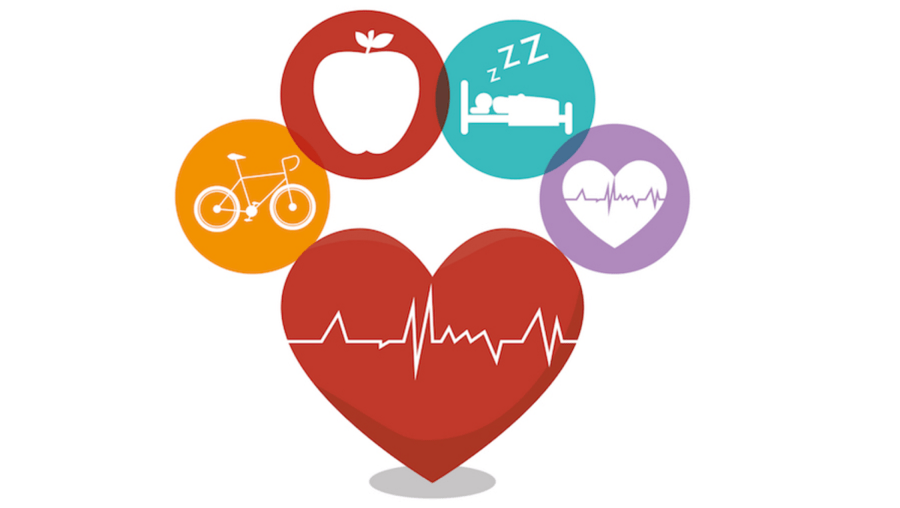
3. Cardiovascular Health Optimization: Many modifiable risk factors contribute to stroke. These include hypertension, a major risk factor often linked to unhealthy lifestyle choices. Regular blood pressure monitoring and adherence to prescribed medication, coupled with dietary adjustments (reducing saturated fats, cholesterol, and sodium), are vital. This aligns with the principles of primary prevention, targeting risk factors before the onset of disease. Furthermore, regular physical activity (at least 150 minutes of moderate-intensity exercise weekly), as recommended by the American Heart Association, plays a crucial role in cardiovascular health, directly influencing stroke risk.
4. Lifestyle Modification Strategies: Smoking cessation is paramount due to its adverse impact on vascular health. Smoking damages blood vessels, increasing clot formation. Evidence-based cessation programs, providing support and resources, significantly improve success rates. Similarly, moderate alcohol consumption is recommended, avoiding excessive intake which elevates blood pressure. These interventions are crucial components of secondary prevention, targeting those with existing risk factors.
5. Chronic Disease Management: Diabetes and atrial fibrillation (AFib) substantially elevate stroke risk. Strict glycemic control through dietary modification, exercise, and appropriate medication in diabetes management, is non-negotiable. Regular cardiac monitoring and appropriate treatment of AFib, which is characterized by irregular heartbeats and increased risk of clot formation are critical. The effective management of these conditions underscores the importance of tertiary prevention—minimizing the impact of existing conditions.
6. Regular Medical Checkups and Proactive Risk Assessment: Regular health screenings allow for early detection of risk factors, facilitating timely intervention. A thorough medical history, family history, and open communication with healthcare providers are vital. This proactive approach to healthcare is essential for mitigating potential health risks.
7. Stress Reduction and Sleep Hygiene: Chronic stress and poor sleep hygiene (inadequate sleep duration and quality) negatively impact cardiovascular health, thus influencing stroke risk. Stress management techniques like meditation, yoga, and spending time with loved ones are encouraged. Prioritizing seven to eight hours of quality sleep per night is crucial for maintaining overall well-being and minimizing cardiovascular risk.
8. Hydration and its Role in Blood Coagulation: Adequate hydration is crucial in maintaining proper blood viscosity. Dehydration increases the propensity for blood clot formation. Consistent fluid intake throughout the day, aiming for at least eight glasses of water, is recommended for optimal cardiovascular health. This simple yet effective strategy complements other preventative measures.
Conclusions and Recommendations: Preventing stroke requires a multifaceted approach that integrates individual lifestyle choices and proactive healthcare strategies. The application of the Health Belief Model and the Transtheoretical Model highlights the significance of individual perceptions and stages of behavior change in successfully implementing preventative measures. Early detection through the F.A.S.T. acronym and prompt medical attention are vital to minimizing the devastating consequences of stroke. Further research should focus on the development and evaluation of culturally sensitive interventions that address stroke risk factors within specific populations and emphasize the integration of technology for improved early detection and management. The long-term impact of these preventative measures includes a reduction in stroke morbidity and mortality, improving the quality of life for individuals and the overall public health landscape. The implementation of these strategies requires collaborative efforts from healthcare professionals, public health organizations, and community leaders to maximize their impact.
Reader Pool: Considering the multifaceted nature of stroke prevention discussed in this article, what novel approaches or technological advancements do you believe hold the most promise for enhancing public health interventions and achieving more significant reductions in stroke incidence and severity?



No comments yet. Be the first to share your thoughts!